Russian Oil Tanker : US seizure, sanctions hit, global ripple

A Russian-flagged oil tanker was chased by the US Coast Guard before it seized an interdicted Venezuelan ship in the Atlantic. The video appears to show the US Coast Guard. Today we will discuss about Russian Oil Tanker : US seizure, sanctions hit, global ripple
Russian Oil Tanker : US seizure, sanctions hit, global ripple
The seizure of a Russian oil tanker by the United States has emerged as one of the most consequential geopolitical and energy-market events in recent years. What initially appeared to be a maritime enforcement operation quickly escalated into a symbol of intensifying global power struggles, sanctions enforcement, and energy security risks. The incident underscores how oil tankers—once viewed as neutral commercial vessels—have become strategic assets and political flashpoints in an increasingly fragmented world order.
The Russian oil tanker seizure did not occur in isolation. It unfolded against the backdrop of ongoing sanctions against Russia, tightening restrictions on energy exports, and growing concerns over so-called “shadow fleets” operating beyond traditional regulatory frameworks. The event has sent shockwaves through global oil markets, diplomatic channels, and maritime trade routes, raising questions about the future of sanctions enforcement, freedom of navigation, and global energy stability.
What Happened: The Seizure Explained
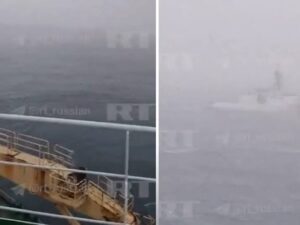
In early 2026, U.S. authorities seized a Russian-flagged oil tanker in international waters following a prolonged pursuit. The tanker was suspected of violating U.S. sanctions by transporting oil linked to sanctioned entities and attempting to evade enforcement measures through deceptive maritime practices.
According to official accounts, the vessel had altered its identification details, changed flags, and attempted to reroute its voyage to avoid detection. These tactics are commonly associated with sanctions-evasion networks, particularly those linked to Russian, Iranian, and Venezuelan oil exports.
The seizure was executed without reported violence, but the operation carried significant strategic weight. The involvement of naval assets and allied coordination signaled a firm stance by the United States and its partners: sanctions enforcement would no longer remain confined to financial penalties and paperwork—it could extend directly to the high seas.
Why the Russian Oil Tanker Matters
This incident is significant for several reasons:
Escalation of Sanctions Enforcement
The seizure represents a shift from passive sanctions enforcement to active interdiction. Rather than merely penalizing companies or individuals after violations occur, authorities are now willing to physically intercept vessels suspected of breaching sanctions.Challenge to Russia’s Energy Export Strategy
Oil exports are central to Russia’s economy. Any disruption to tanker movements directly threatens revenue streams that fund government operations and geopolitical ambitions.Precedent for Future Actions
The event sets a precedent that could reshape how sanctions are enforced globally, potentially leading to more frequent maritime interventions.
Understanding Sanctions on Russian Oil
Since the escalation of geopolitical tensions in Eastern Europe, sanctions targeting Russian oil have intensified. These measures aim to reduce Russia’s ability to generate revenue from energy exports while minimizing disruption to global oil supply.
Key elements of these sanctions include:
Restrictions on the sale, transport, and insurance of Russian oil
Price caps designed to limit revenue without halting supply entirely
Penalties for entities that assist in sanctions evasion
While these measures have constrained Russian exports, they have not eliminated them. Instead, Russia has adapted—redirecting shipments, offering discounts, and relying on alternative shipping networks.
The Rise of the “Shadow Fleet”
One of the most critical developments in global energy trade is the emergence of shadow fleets. These fleets consist of aging oil tankers with opaque ownership structures, limited insurance coverage, and minimal regulatory oversight.
Shadow fleets typically operate by:
Frequently changing vessel names and flags
Conducting ship-to-ship transfers in remote waters
Using non-Western financial and insurance systems
The seized Russian oil tanker was widely believed to be part of this shadow network. While these fleets enable sanctioned oil to reach buyers, they also introduce significant risks—including environmental hazards, legal uncertainty, and heightened geopolitical tension.
Immediate Market Reactions
Oil Prices and Volatility
News of the tanker seizure triggered immediate volatility in global oil markets. Traders reacted to the possibility of tighter enforcement disrupting supply chains, particularly for crude moving from Russia to Asia.
Although prices did not spike dramatically, the incident reinforced a persistent risk premium driven by geopolitical uncertainty. Markets remain acutely sensitive to any action that threatens physical oil flows.
Tanker Freight Rates
The seizure further tightened the availability of compliant tankers. Freight rates for large crude carriers rose as traders scrambled to secure vessels not exposed to sanctions risk. Higher shipping costs inevitably filter down the supply chain, impacting refiners and consumers alike.
Impact on Russia’s Oil Exports
Revenue Pressure
Russia’s reliance on oil and gas revenues makes tanker disruptions particularly damaging. With fewer vessels willing or able to carry Russian crude, export volumes face downward pressure. Even when oil is sold, steep discounts reduce overall earnings.
Shifting Trade Routes
Traditional export routes have become less reliable. Russian oil increasingly travels longer distances, often through complex logistical chains designed to obscure origin. These detours raise costs and increase the likelihood of enforcement actions like the recent seizure.
Geopolitical Fallout
U.S.–Russia Relations
The seizure further strained already tense relations between Washington and Moscow. Russian officials condemned the action as unlawful and accused the United States of abusing sanctions to exert control over international trade.
The involvement of military assets added a security dimension, raising fears that future enforcement actions could escalate into direct confrontations at sea.
Role of Allies
The operation reportedly involved cooperation with allied nations, signaling a coordinated Western approach to sanctions enforcement. This unity strengthens the credibility of sanctions but also increases the risk of retaliatory measures.
Global Ripple Effects
Energy Security Concerns
For countries dependent on imported oil, the seizure highlighted vulnerabilities in global energy supply chains. Any disruption—real or perceived—can lead to price volatility and supply uncertainty.
Many nations are now reassessing their exposure to geopolitically sensitive energy routes and suppliers.
Fragmentation of the Oil Market
The world may be moving toward a divided oil market:
A sanctions-compliant system dominated by Western regulations
An alternative system operating outside traditional oversight
This fragmentation complicates pricing mechanisms, investment decisions, and long-term energy planning.
Environmental Risks
Shadow fleets often consist of older vessels with questionable maintenance standards. Increased reliance on such tankers raises the risk of spills and maritime accidents, posing serious environmental threats.
Legal and Maritime Implications
The seizure has reignited debates over maritime law and freedom of navigation. While sanctions provide legal justification for enforcement, intercepting vessels in international waters remains controversial.
Key legal questions include:
Where does sanctions enforcement end and maritime overreach begin?
How should disputes over vessel ownership and cargo origin be resolved?
What protections exist for crews caught in geopolitical crossfire?
The answers to these questions will shape future maritime operations.
What Happens Next? Possible Scenarios
1. Expanded Maritime Enforcement
The United States and its allies may increase patrols and inspections, particularly in regions known for sanctions evasion. This could deter illicit trade but heighten the risk of confrontation.
2. Russian Countermeasures
Russia may respond by strengthening naval escorts, accelerating alternative payment systems, or pursuing legal challenges. Each option carries its own risks and costs.
3. Diplomatic Engagement
Historically, periods of escalation are often followed by negotiation. Energy security and sanctions enforcement could become bargaining chips in broader diplomatic talks.
Conclusion: A Turning Point in Energy Geopolitics
The seizure of the Russian oil tanker marks a pivotal moment in the evolution of global sanctions enforcement. It illustrates how energy, law, and geopolitics are increasingly intertwined—and how oil tankers have become instruments of state power rather than mere commercial carriers.
The long-term consequences of this event are still unfolding. What is clear, however, is that the rules governing global energy trade are changing. Nations, companies, and consumers alike must now navigate a more complex, fragmented, and politically charged energy landscape.
As sanctions tighten and enforcement grows more assertive, the global ripple effects of incidents like this one will continue to shape markets, diplomacy, and the future of energy security worldwide.
How useful was this post?
Click on a star to rate it!
Average rating 0 / 5. Vote count: 0
No votes so far! Be the first to rate this post.
About the Author

usa5911.com
Administrator
Hi, I’m Gurdeep Singh, a professional content writer from India with over 3 years of experience in the field. I specialize in covering U.S. politics, delivering timely and engaging content tailored specifically for an American audience. Along with my dedicated team, we track and report on all the latest political trends, news, and in-depth analysis shaping the United States today. Our goal is to provide clear, factual, and compelling content that keeps readers informed and engaged with the ever-changing political landscape.