Reza Pahlavi surge: Shah son eyes Iran leadership, regime change push
You said
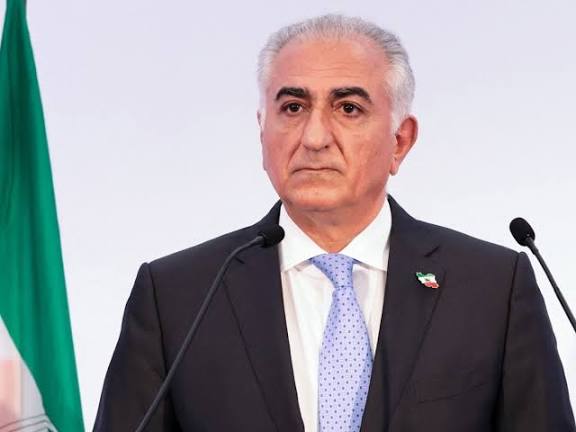
Reza Pahlavi — the exiled son of Iran’s last monarch — is commanding growing attention as a potential leader in the battle for Iran’s future. With the Islamic Republic showing signs of instability and escalating protests calling for systemic change, Pahlavi has positioned himself at the forefront of a movement seeking to end decades of theocratic rule and usher in democratic governance. This article explores the rise of Reza Pahlavi, his vision for Iran, the evolving political landscape, and what his leadership bid means for the country and beyond.
The Legacy of Reza Pahlavi
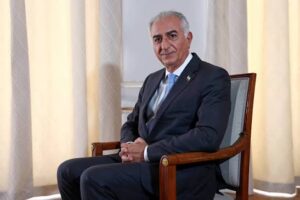
Reza Pahlavi is the eldest son of Mohammad Reza Pahlavi, Iran’s last Shah, who was overthrown during the 1979 Islamic Revolution. Since going into exile, Pahlavi has spent decades advocating for a free and democratic Iran, though for much of this period his role remained symbolic rather than strategic.
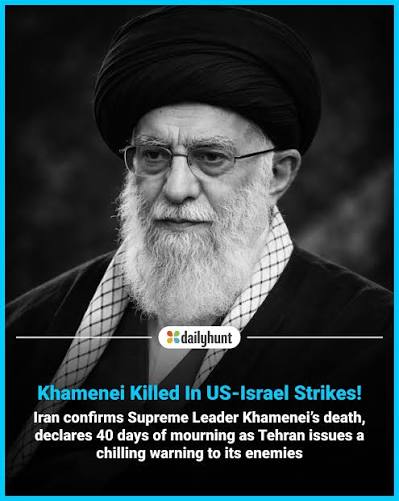
However, recent events — including mass anti-government protests and a leadership vacuum following the death of Supreme Leader Ayatollah Ali Khamenei — have accelerated Pahlavi’s visibility as a potential transitional figure.
Iran’s Internal Crisis and the Surge in Opposition
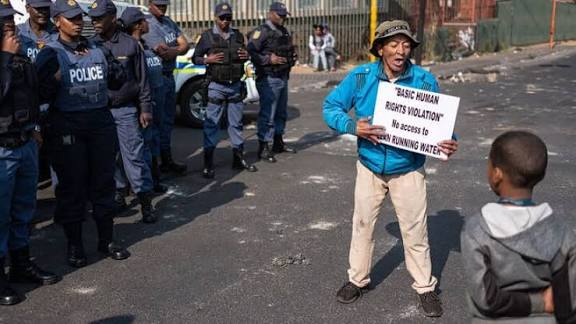
Iran has faced waves of unrest in recent years, from the 2022 Woman, Life, Freedom movement to ongoing economic struggles and widespread dissatisfaction with government repression. The combination of political violence, internet blackouts, and military crackdowns has deepened public frustration.
Protesters have increasingly called for full regime change, not reform, signaling a major shift in political aspirations across a broad spectrum of Iranian society. Demonstrators have replaced the current flag with older national symbols, reinforcing the idea of a break from the Islamic Republic.
Pahlavi’s Call for Regime Change
Pahlavi has been explicit: he believes the Islamic Republic is nearing its end and that Iranians deserve a democratic future. In messages released from exile, he has urged Iranian security forces and officials to stand down without further bloodshed, stating that any attempt to install a successor to Khamenei would be illegitimate.
By describing the regime as “drawing its final breaths,” Pahlavi underscores his belief that the current government has lost its moral and political authority. His commentary often highlights the role of Iranian youth and civil society in pushing for change — a significant pivot from traditional monarchist rhetoric to a more civic, pluralistic message.
Vision for Iran’s Future
Unlike critics who argue Pahlavi wants to revive the old monarchy, Pahlavi himself has publicly expressed support for a secular democratic system rooted in free elections and human rights. He insists that the form of the future government — whether constitutional monarchy or republic — should be determined by the Iranian people themselves in a referendum.
Central to his vision is the idea of an orderly transition that rejects violence and favors institutional stability over chaos. Pahlavi and his supporters emphasize that a movement grounded in legal principles and inclusive governance is essential for Iran’s long-term prosperity.
Domestic and International Reaction
Reza Pahlavi’s sudden prominence has generated a mixed reception:
Among Reformists and Protesters: Many Iranian protesters view him as a unifying figure in a fractured opposition movement — someone with historical legitimacy who can articulate a clear path forward.
Within the Diaspora: Iranian communities abroad have expressed both hope and caution, seeing Pahlavi as a symbol of resistance but remaining wary of nostalgia for the pre-revolution era.
From the Islamic Republic: Hardline factions continue to reject his leadership, often dismissing him as out of touch or alien to the realities inside Iran. These criticisms reflect deeper ideological divides over Iran’s future trajectory. (Based on broader reporting)
International observers have also taken note. Some foreign policymakers see Pahlavi’s rise as evidence that internal opposition could lead to meaningful change, while others caution against premature predictions, given the complexities of Iran’s political structure and regional ramifications. (Generalized from multiple sources)
The “Prosperity Project” and Transitional Roadmaps
Following developments after Khamenei’s death, Reza Pahlavi unveiled what has been referred to in press coverage as “Iran’s Prosperity Project” — a proposed roadmap for democratic transition. This initiative outlines steps for initiating transparent governance structures and restoring democratic norms.
Key elements discussed in public briefings and press releases include:
Establishing a transitional government based on democratic principles
Conducting free elections under international oversight
Promoting national unity across ethnic and religious lines
Rebuilding civil institutions weakened by decades of authoritarian control
While details continue to emerge, this plan represents a proactive effort to shift conversations from mere criticism of the Islamic Republic to a concrete vision of Iran’s future.
Leadership Credentials and Criticism
Despite his growing profile, critics have questioned Pahlavi’s organizational capacity and strategic coherence. Some analysts suggest that while he has significant name recognition, his ability to translate popularity into a coordinated political movement remains uncertain.
Within Iran itself, there are concerns about whether an exiled figure can genuinely lead a grassroots movement, especially amidst communication blackouts and entrenched government resistance. These debates highlight the inherent challenges of foreign-based leadership in domestic political movements.
Potential Scenarios for Iran
The future of Iran could unfold in several ways:
1. Peaceful Transition
In this scenario, opposition forces and reformists — potentially under a figure like Reza Pahlavi — negotiate the end of theocratic rule with a roadmap toward democratic governance.
2. Fragmented Reform
The regime remains intact but weakened, leading to gradual reforms without full systemic change. This could involve power struggles among elite factions.
3. Continued Conflict
Escalating tensions could lead to prolonged instability, particularly if security forces remain loyal to hardline elements and resist reform efforts.
Each outcome carries significant implications for regional stability, global security, and the lives of millions of Iranians.
The Global Significance of Pahlavi’s Surge
Reza Pahlavi’s rise is more than a symbolic moment in Iranian politics — it reflects a historic juncture with global implications. Iran’s strategic location, nuclear ambitions, and relationships with both Western and regional powers make its internal evolution a matter of international concern.
A sustained push for democratic change, spearheaded by a figure like Pahlavi, could reshape the Middle East’s geopolitical landscape while giving renewed voice to generations of Iranians who have long felt marginalized and repressed.
Conclusion
Reza Pahlavi’s emergence as a prominent figure in Iran’s evolving political moment represents a compelling blend of historical legacy, contemporary opposition energy, and global resonance. Whether he becomes a transitional leader, a symbolic representative of the resistance, or simply a catalyst for broader civic movements, his role is shaping up to be a defining element in the debate over Iran’s future.
As Iranians continue to struggle for dignity, freedom, and representation, Pahlavi’s leadership bid serves as both a rallying point and a subject of intense debate — emblematic of a country at a historic crossroads.
FAQs
1. Who is Reza Pahlavi?
Reza Pahlavi is the exiled son of Iran’s last monarch and a leading opposition figure advocating for democratic change in Iran.
2. What does Reza Pahlavi want for Iran?
He seeks a democratic transition with free elections and human rights protections, emphasizing that the Iranian people should decide the nation’s political future.
3. Has Reza Pahlavi called for regime change?
Yes — in recent statements he has urged Iranian officials to stand down and described the Islamic Republic as nearing collapse.
4. Is Pahlavi seeking to restore the monarchy?
While he is a member of the former royal family, Pahlavi has stressed that the future government form should be chosen by the Iranian people, not imposed.
5. What challenges does Pahlavi face?
Critics question his organizational capacity, his external position outside Iran, and whether his vision can effectively mobilize diverse factions within the country.
How useful was this post?
Click on a star to rate it!
Average rating 0 / 5. Vote count: 0
No votes so far! Be the first to rate this post.
About the Author

usa5911.com
Administrator
Hi, I’m Gurdeep Singh, a professional content writer from India with over 3 years of experience in the field. I specialize in covering U.S. politics, delivering timely and engaging content tailored specifically for an American audience. Along with my dedicated team, we track and report on all the latest political trends, news, and in-depth analysis shaping the United States today. Our goal is to provide clear, factual, and compelling content that keeps readers informed and engaged with the ever-changing political landscape.