Restore Britain Surge: Reform UK Split, Immigration Crackdown, Nationalist Wave
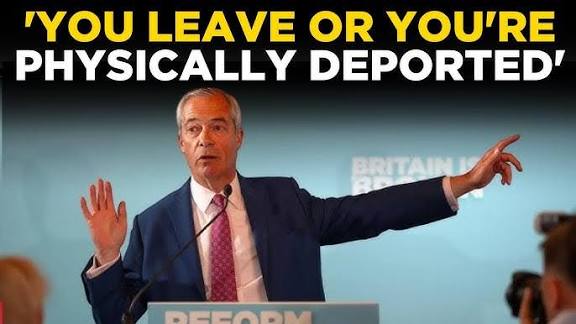
In recent months, the British political landscape has experienced seismic shifts, driven by rising public pressure over immigration, national identity and political representation. Central to this transformation is the Restore Britain surge — a rise in influence of a newly formed right-wing nationalist party that split from the more established Reform UK movement. This realignment reflects deep tensions over immigration policy, cultural identity and perceptions of national sovereignty.
In this exhaustive deep-dive, we unpack:
Why Restore Britain broke away from Reform UK
What the party stands for
The broader context of immigration crackdown politics in the UK
How this surge connects to a wider nationalist wave
Impacts on mainstream political parties
How experts and critics analyse these developments
👥 (Note: all information reflects developments as of early 2026 and is based on verified reports and policy documents.)
🚨 1. The Birth of Restore Britain

In mid-2025, a new right-wing political force — Restore Britain — emerged in the United Kingdom. Founded and led by former Reform UK politician Rupert Lowe, the organisation initially launched as a pressure group before converting into a formal political party in February 2026.
Lowe’s departure from Reform UK stemmed from ideological disagreement, with the most pronounced differences centring on immigration policy. He publicly accused Reform UK’s leadership of watering down its stance on the deportation of illegal migrants — a core issue for many right-wing and nationalist voters.
Core Aims of Restore Britain
While still new to formal politics, Restore Britain’s stated principles reveal a hard-right populist orientation, emphasising:
Complete deportation of all illegal immigrants
Abolition of Indefinite Leave to Remain
Tight restrictions on pathways to citizenship and welfare access
A robust emphasis on traditional British culture and “Christian principles”
Restrictions on multicultural programs and immigration support structures
These policy points mark a significant departure from even Reform UK’s established platform, pushing the conversation to the right on migration and national identity issues.
🧭 2. Reform UK: Position and Policy Tensions
Reform UK has itself been a disruptive force in British politics. Under leader Nigel Farage, it has campaigned on a platform of border control, economic sovereignty, and government reform.
Reform UK on Immigration
Reform’s immigration policies include:
Stopping illegal crossings and deporting those arriving unlawfully
Withdrawing from the European Convention on Human Rights (ECHR)
Ending “Indefinite Leave to Remain” and certain welfare access
Increased border security and asylum reforms
While tough — and resonating broadly with many voters dissatisfied with mainstream parties — Reform UK’s approach was seen by Lowe as insufficiently extreme, particularly on mass deportation and cultural assimilation issues.
This ideological friction provides the immediate backdrop for Restore Britain’s split.
🚧 3. Immigration Crackdown: Politics in Motion
Migration has been one of the most consistent pressure points in UK politics for decades, heightened by Brexit and subsequent changes in public opinion and policy expectations.
Government Response and Debate
The British government itself has faced intense pressure to act on immigration. Recent measures have included:
Enforcement raids targeting illegal working
Thousands of arrests related to immigration law
Deportation figures that surpassed previous administrations
New bills on border security and asylum enforcement debated in Parliament
Official narratives from the Home Office emphasise enforcing the rule of law and reducing the “pull factors” that lead to dangerous crossings, especially via small boats to the UK.
Yet critics — from human rights groups to opposition politicians — argue such crankdowns risk human rights violations, social division, and stigmatisation of migrants and asylum seekers.
This tension forms the battleground upon which parties like Reform UK and Restore Britain make their case.
🧠 4. Understanding the Nationalist Wave
The rise of Restore Britain is part of a broader nationalist wave that has gained traction in the UK and across Europe. Populist currents emphasise:
National sovereignty
Anti-immigration scepticism
Cultural preservation
Distrust of “globalist” policy frameworks
Across Europe and the UK, similar movements have turned electoral debates toward identity politics, often critiquing multiculturalism and advocating stronger borders.
In the UK context, this wave relates closely to Brexit and a surge in public concern over immigration, economic displacement, and perceptions of eroding traditional values.
📊 5. Broader Political Impact
The rise of Restore Britain and its split from Reform UK has already rippled through the political ecosystem:
Impact on Electoral Politics
Vote splitting: Some analysts warn that competing nationalist parties could split the right-wing vote, benefiting establishment parties or Labour in certain constituencies.
Strategic alliances: Debates have emerged around whether small nationalist parties might cooperate locally or nationally to maximise influence.
Effect on Mainstream Parties
Conservatives: Under pressure from Reform and now Restore Britain, the Conservative Party has faced internal debates about how hard to lean on immigration rhetoric.
Labour: The opposition seeks to reclaim patriotic narratives while defending human rights and balanced immigration policy.
Public Discourse
Polling suggests immigration remains a top concern for many voters — but how that concern translates into electoral preference varies widely across demographics and regions.
❓ FAQs on Restore Britain Surge and UK Politics
1. What is Restore Britain, and why did it split from Reform UK?
Restore Britain is a nationalist political party formed in 2025 by former Reform UK member Rupert Lowe. The split occurred over disagreements on immigration policy — specifically, Restore Britain desires a far more stringent deportation and cultural conservatism agenda.
2. How does the immigration strategy of Restore Britain differ from Reform UK?
While both parties advocate stronger immigration controls, Restore Britain calls for the deportation of all illegal immigrants, abolition of Indefinite Leave to Remain and other hard-line cultural measures. Reform UK supports hard border control and asylum processing reform but stops short of some of these more extreme positions.
3. Could Restore Britain win seats in Parliament?
As a new party, Restore Britain has not yet established a significant electoral base. Some local candidates could leverage this surge, but national success remains uncertain.
4. Does this reflect a wider nationalist trend in Europe?
Yes — political movements across Europe have emphasised national sovereignty, border control, and cultural identity, driven by widespread concerns over migration, globalisation, and economic change.
5. What impact does this have on general UK politics?
The rise of hard-right parties like Restore Britain and the growing influence of immigration discourse could reshape policy priorities for major parties, influence electoral strategy and fuel debate on nationalism and social cohesion.
🔚 Conclusion
The Restore Britain surge exemplifies contemporary shifts in British political dynamics, where debates over immigration, national identity, and sovereignty have reshaped party structures and voter alignments. As mainstream parties recalibrate and new challengers emerge, this chapter of UK politics reflects broader global currents — from populist nationalism to contested visions of multiculturalism and governance.
How useful was this post?
Click on a star to rate it!
Average rating 0 / 5. Vote count: 0
No votes so far! Be the first to rate this post.
About the Author

usa5911.com
Administrator
Hi, I’m Gurdeep Singh, a professional content writer from India with over 3 years of experience in the field. I specialize in covering U.S. politics, delivering timely and engaging content tailored specifically for an American audience. Along with my dedicated team, we track and report on all the latest political trends, news, and in-depth analysis shaping the United States today. Our goal is to provide clear, factual, and compelling content that keeps readers informed and engaged with the ever-changing political landscape.