Pete Hegseth : Trump Ally Surge, GOP Base Fire, 2026 Power Push
You said
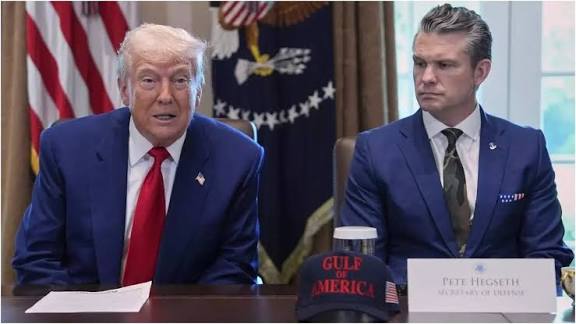
Pete Hegseth — once a media personality and conservative commentator — now sits at the center of both Republican enthusiasm and GOP dissent as a key ally of Donald Trump and a central figure in the Republican Party’s unfolding drama. Since his confirmation as United States Secretary of Defense in January 2025, Hegseth has become one of the most polarizing figures in modern American politics, reshaping the GOP’s defense strategy, tightening ideological alignment with Trump’s “America First” base, and positioning himself as a future power broker in the 2026 election cycle.
This article dives deep into how Hegseth’s rise reflects the broader currents of the Republican Party, why he’s igniting debate among conservatives, and what his push for influence means for the GOP’s future.
1. From Fox News to the Pentagon: The Rise of Pete Hegseth

Pete Hegseth first came to national prominence as a conservative media figure. Born in Minneapolis in 1980, he earned degrees from Princeton University and Harvard University before serving as an officer in the Army National Guard, including deployments to Iraq and Afghanistan. After his military service, he became a television contributor and later co-host of Fox & Friends Weekend, where his commentary blended military storytelling with conservative political advocacy.
Hegseth’s transition into formal politics came in late 2024, when President-elect Donald Trump nominated him to be Secretary of Defense — a choice that shocked many Capitol Hill veterans due to Hegseth’s lack of traditional national security experience but delighted Trump loyalists for his outspoken support of the former president. He was confirmed in January 2025, with a tie-breaking Senate vote by Vice President J.D. Vance, illustrating the intensely partisan nature of his nomination.
2. The Trump Loyalist: Why Hegseth Commands the GOP Base
While part of Hegseth’s political strength lies in his media background, his rapid consolidation within Trump’s inner circle — and the broader GOP base — comes from his uncompromising rhetoric and alignment with core conservative priorities:
2.1 Alignment with Trump’s “America First” Doctrine
From the earliest days of his Pentagon tenure, Hegseth has echoed Trump’s worldview — prioritizing strong national defense, skepticism of international institutions, criticism of “woke” policies, and aggressive enforcement of national sovereignty. This alignment reinforces his image to the GOP base as a faithful executor of Trump’s agenda, not an independent bureaucrat.
2.2 Championing Culture Wars Within the Military
Hegseth has also made headlines by waging culture war battles inside the Department of Defense itself. He has targeted diversity, equity, and inclusion (DEI) initiatives, denouncing them as distractions that weaken the military’s mission — a stance widely applauded by conservative commentators and grassroots activists but sharply criticized by others who warn it politicizes the armed forces.
These moves are more than symbolic: by reshaping policy priorities at the Pentagon and influencing military doctrine, Hegseth has helped tether defense policy to wider GOP cultural priorities, strengthening ties with conservative voters energized by such issues.
3. Controversies and GOP Friction: Why Not Everyone’s on Board
Despite his base appeal, Hegseth’s tenure has not been free of friction. Even within conservative circles, skepticism and criticism persist — revealing deeper fractures within the modern Republican coalition.
3.1 Personal and Professional Controversies
Hegseth’s rise has been accompanied by serious personal and professional scrutiny. Reports detail sexual assault allegations from his past, concerns over his professional conduct, and questions about whether his loyalty to Trump outweighs experience or judgment — issues that have been seized upon by critics on both sides of the political spectrum.
Such controversies, whether interpreted as political mudslinging or valid concerns about qualification, have fueled intense debate within GOP circles and beyond.
3.2 Strategic Disagreements Within the GOP
Even among Republicans, there have been sharp differences about Hegseth’s approach:
Some argue his maneuvers, like banning military officers from attending elite universities or pushing conservative cultural goals into defense policy, risk alienating crucial moderates or professional military leaders.
Others worry his aggressive alignment with Trump limits the GOP’s appeal to broader electorates in the 2026 midterm cycle.
This friction illustrates how Hegseth is not merely a Trump loyalist but a lightning rod — igniting debate about the future direction of Republican policy and strategy.
4. The 2026 Power Play: What’s Next for Hegseth and the GOP
As the GOP readies for the 2026 midterms and looks ahead to 2028, Hegseth’s influence could shape outcomes in several ways:
4.1 Consolidating Base Support
Hegseth’s unflinching support of Trump’s policies and his cultural conservatism keep him aligned with the GOP’s most energetic voters. This could energize turnout, especially among voters for whom cultural identity and defense posture are top priorities.
4.2 Influence on Policy and Appointments
By steering policy decisions and personnel appointments at the Pentagon, Hegseth dramatically impacts how GOP leaders communicate defense priorities to voters. His role could define how Republican candidates respond to issues like national security, veterans’ affairs, immigration, and military readiness throughout 2026 and beyond.
4.3 Potential Future Political Ambitions
Some commentators speculate whether Hegseth himself could leverage his national profile for broader political roles — perhaps a Senate seat or other leadership position within the GOP establishment. Whether this becomes reality will depend on his standing with voters and party leaders alike.
5. What Analysts Are Saying About Hegseth’s Impact
Political analysts and commentators offered varied perspectives on Hegseth’s rise and impact:
Some view him as a crucial architect of the GOP’s defense narrative, using his platform to anchor Republican thinking on military strength and national sovereignty.
Others argue his media-savvy approach risks oversimplifying complex foreign policy questions or turning vital strategic decisions into political theater.
Regardless of viewpoint, most agree that Hegseth’s prominence is a defining feature of contemporary Republican politics — and one that will echo into future electoral cycles.
6. Conclusion: A Polarizing Power Player Shaping GOP Direction
Pete Hegseth’s evolution from conservative media personality to Secretary of Defense and GOP power player illustrates the transforming nature of American politics. Through staunch alignment with Donald Trump’s agenda, a willingness to engage in cultural battles inside major institutions, and a readiness to court both support and controversy, Hegseth stands as one of the most consequential figures in the Republican Party today.
Whether securing GOP unity or catalyzing internal conflict, Hegseth’s trajectory reflects broader debates within the party about identity, strategy, and priorities — all central to the turbulent political landscape moving into 2026 and beyond.
Frequently Asked Questions (FAQs)
1. Who is Pete Hegseth?
Pete Hegseth is the United States Secretary of Defense, appointed by Donald Trump in January 2025. A former Army National Guard officer and conservative media figure, Hegseth has been a vocal Trump ally and controversial policy leader within the GOP.
2. Why is Hegseth considered a Trump ally?
He has consistently supported Trump’s “America First” policies and aligned defense strategy with the former president’s political objectives. Hegseth’s public statements and policy choices often echo Trump’s priorities, strengthening his bond with the GOP base.
3. What controversies surround Hegseth?
Critics highlight allegations of misconduct from his past, concerns about his qualifications, and his integration of culture war politics into Pentagon policy — all of which have generated debate within and outside the party.
4. How does Hegseth influence the GOP’s future?
By shaping defense policy, energizing core Republican voters, and standing as a visible Trump ally, Hegseth may influence the party’s messaging, priorities, and electoral strategy in 2026 and beyond.
5. Could Hegseth run for political office in the future?
While speculative, some analysts believe his national profile and base support could position him for future political roles, though this depends on how events unfold in coming election cycles.
How useful was this post?
Click on a star to rate it!
Average rating 0 / 5. Vote count: 0
No votes so far! Be the first to rate this post.
About the Author

usa5911.com
Administrator
Hi, I’m Gurdeep Singh, a professional content writer from India with over 3 years of experience in the field. I specialize in covering U.S. politics, delivering timely and engaging content tailored specifically for an American audience. Along with my dedicated team, we track and report on all the latest political trends, news, and in-depth analysis shaping the United States today. Our goal is to provide clear, factual, and compelling content that keeps readers informed and engaged with the ever-changing political landscape.