Pete Hegseth: Defense Stance, Trump Ally, Media Debate, Security Clash
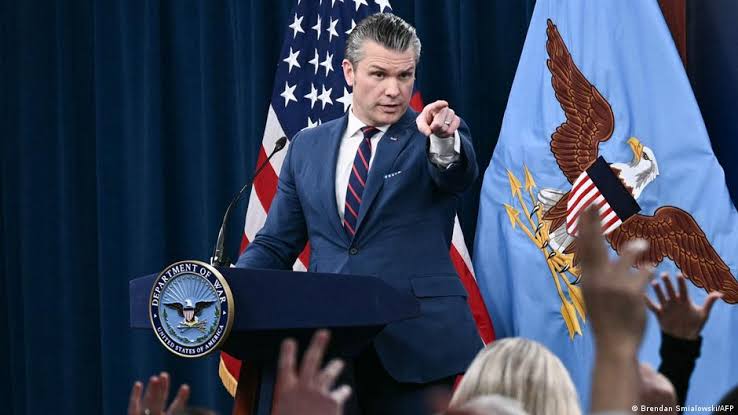
Few political figures in modern American defense leadership have generated as much attention and controversy as Pete Hegseth. Since his appointment as Secretary of Defense under Donald Trump, Hegseth has played a central role in shaping U.S. military operations, public messaging, and security strategy.
His tenure has been marked by bold military decisions, public clashes with media organizations, and a deep political alignment with President Trump’s defense ideology. As global tensions rise—especially amid the ongoing conflict involving Iran—Hegseth’s policies have placed him at the center of international debate and domestic political scrutiny.
This article explores Pete Hegseth’s defense stance, political alliances, media disputes, security actions, and the broader impact of his leadership on U.S. military strategy.
Early Career and Rise to Defense Leadership
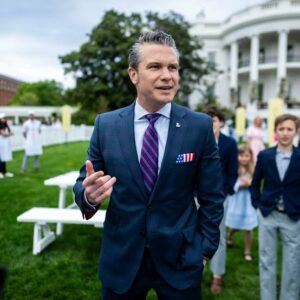
Before entering high-level government service, Pete Hegseth built a career spanning military service, media commentary, and conservative political advocacy.
Hegseth served in the U.S. Army National Guard and later became widely known as a television personality and commentator. His transition from media to government marked a dramatic shift in his career trajectory.
In late 2024, President Donald Trump nominated Hegseth as Secretary of Defense, a move widely interpreted as placing a trusted political ally in a critical national security role. His confirmation narrowly passed the Senate, highlighting both strong support and significant opposition.
Supporters praised his outsider perspective and willingness to challenge institutional norms. Critics, however, questioned his experience and policy depth.
Pete Hegseth’s Defense Stance
A Hardline Military Strategy
One defining feature of Pete Hegseth’s tenure has been his aggressive defense posture. He has consistently emphasized military readiness, rapid deployment capability, and strong deterrence.
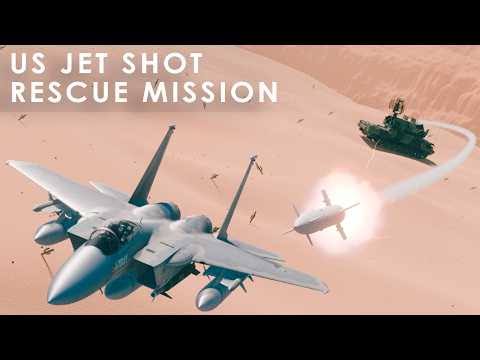
Recent developments show his commitment to escalating military action during periods of conflict. During ongoing hostilities involving Iran, Hegseth announced that U.S. forces would conduct the largest volume of strikes since the start of the campaign, signaling a major intensification of operations.
This aggressive strategy reflects the broader philosophy guiding his leadership:
- Rapid military response
- Strategic deterrence
- Maximum battlefield dominance
- Reduced diplomatic hesitation
Supporters argue that this approach strengthens national security. Critics contend that it risks escalating conflicts and destabilizing regions.
Leadership Changes Inside the Military
Another hallmark of Hegseth’s defense stance has been leadership restructuring within the military hierarchy.
In April 2026, the U.S. Army Chief of Staff was abruptly dismissed, marking a rare wartime leadership shake-up. Multiple senior officers were relieved of duty, signaling a major shift in military command structure.
These changes were interpreted as part of Hegseth’s effort to align military leadership more closely with his operational priorities.
Such moves drew mixed reactions:
Supporters say:
- Leadership restructuring improves efficiency
- New leadership aligns with mission objectives
Critics say:
- Sudden dismissals risk destabilizing military readiness
- Institutional knowledge may be lost
Trump Alliance: Loyalty and Strategic Alignment
A Trusted Political Ally
Pete Hegseth’s close relationship with Donald Trump has been a defining feature of his political identity.
His appointment itself was widely viewed as a signal of loyalty. Analysts noted that Trump prioritized trust and ideological alignment when selecting national security leaders.
This alliance influences:
- Military messaging
- Strategic decision-making
- Public communication
Many policy decisions have mirrored Trump’s broader security philosophy, emphasizing strength, national sovereignty, and reduced reliance on international consensus.
Coordination During Crisis Events
During escalating conflict scenarios, Hegseth has often appeared alongside President Trump to reinforce unified messaging.
Recent press briefings highlighted coordinated military announcements and warnings to adversaries. These appearances were designed to signal unity and deterrence.
In one major escalation scenario, U.S. military actions targeted critical infrastructure in Iran while leaders warned of severe consequences if diplomatic demands were ignored.
This joint messaging strategy underscores the importance of coordinated political-military communication.
Media Debate and Press Freedom Controversies
Pentagon Press Policy Changes
One of the most controversial aspects of Hegseth’s tenure has been his handling of the media.
In 2025, the Pentagon introduced new reporting restrictions requiring journalists to follow strict guidelines regarding information sources. Many news organizations rejected the rules, viewing them as threats to press freedom.
The policy led to:
- Journalists surrendering press credentials
- Legal challenges from media organizations
- Increased scrutiny from civil liberties groups
Supporters argued the restrictions were necessary to prevent leaks. Critics said they undermined transparency.
Clashes with Journalists
Tensions between Hegseth and the media intensified during wartime coverage.
At one point, he publicly criticized journalists for negative reporting and suggested alternative headlines to highlight military success.
This unusual approach further fueled debates about:
- Media independence
- Government messaging
- Public trust in information
In March 2026, reports also indicated restrictions on photography during briefings, adding to controversy surrounding press access.
Security Clash and Wartime Strategy
Escalation of Military Operations
Hegseth’s leadership during military conflict has drawn both praise and criticism.
Recent developments revealed a dramatic escalation of air strikes during active conflict operations. Planned briefings were even canceled amid intense military activity, underscoring the seriousness of the situation.
These events demonstrated:
- Operational secrecy
- Rapid decision-making
- High-risk engagement
Supporters praised decisive action. Critics warned of prolonged war risks.
Political Pushback and Impeachment Calls
As military actions intensified, political opposition also grew.
In April 2026, a U.S. lawmaker announced plans to introduce articles of impeachment against Hegseth, accusing him of violating constitutional duties during wartime operations.
Although unlikely to succeed due to congressional dynamics, the move highlighted growing political divisions over defense policy.
Technology and AI in Defense Strategy
Military Artificial Intelligence Expansion
Beyond traditional warfare, Hegseth has pushed modernization through artificial intelligence systems.
The Department of Defense expanded partnerships with commercial AI developers to support surveillance, logistics, and battlefield intelligence operations.
Key goals included:
- Faster intelligence processing
- Enhanced situational awareness
- Improved military coordination
This technological push represents a major shift in modern warfare strategy.
Public Perception and Political Polarization
Support from Conservative Circles
Among conservative voters, Hegseth has remained popular.
His advocacy for stronger military values and criticism of progressive reforms resonates with segments of the population that prioritize national security and traditional defense doctrine.
His earlier book, which criticized modern military cultural policies, reinforced his ideological identity.
Criticism from Opponents
Critics, including political opponents and media organizations, argue that his policies risk:
- Over-politicizing defense leadership
- Escalating conflicts unnecessarily
- Reducing institutional independence
These divisions reflect broader political polarization within the United States.
Global Implications of Hegseth’s Leadership
Impact on International Relations
Military actions directed under Hegseth’s leadership have influenced global diplomatic relations.
Escalating strikes and warnings directed at adversaries have drawn criticism from foreign governments and raised concerns about regional stability.
Global observers worry that aggressive military posture could:
- Increase conflict risks
- Trigger retaliatory attacks
- Complicate diplomatic negotiations
Strategic Messaging to Allies
Despite controversy, allies have viewed decisive military responses as reassurance of U.S. commitment.
Clear signaling of military readiness strengthens defense partnerships and deterrence agreements.
This balance between diplomacy and force defines much of Hegseth’s foreign policy role.
The Future of Pete Hegseth’s Defense Leadership
Looking ahead, several factors will shape Hegseth’s legacy:
- Outcomes of ongoing military conflicts
- Political stability within the U.S. government
- Public reaction to military spending and strategy
- Technological modernization progress
Whether seen as a decisive strategist or controversial figure, his influence on U.S. defense policy is already significant.
Key Takeaways
Pete Hegseth’s tenure as Secretary of Defense represents one of the most dynamic and controversial periods in modern U.S. military leadership.
His defense stance reflects:
- Aggressive military readiness
- Strong alliance with President Trump
- Persistent media confrontation
- High-risk security strategies
These factors ensure that his leadership remains central to global political discussions.
Frequently Asked Questions (FAQs)
Who is Pete Hegseth?
Pete Hegseth is the U.S. Secretary of Defense appointed in 2025. He previously served in the military and worked as a television commentator before entering government leadership.
Why is Pete Hegseth controversial?
He is controversial due to aggressive military policies, media restrictions, leadership changes within the military, and political alignment with President Trump.
What is Pete Hegseth’s defense strategy?
His strategy emphasizes strong military readiness, rapid response capability, technological modernization, and decisive battlefield action.
Has Pete Hegseth faced impeachment attempts?
Yes. In 2026, a U.S. lawmaker announced plans to introduce impeachment articles related to his wartime actions, though success was considered unlikely.
What role does Pete Hegseth play in current global conflicts?
He oversees U.S. military operations and strategic decisions during ongoing conflicts, including large-scale strike operations and defense planning.
How has Pete Hegseth affected media relations?
His tenure has included restrictive press policies and public criticism of journalists, leading to ongoing debates over press freedom and transparency.
Conclusion
Pete Hegseth stands at the intersection of military leadership, political loyalty, and media scrutiny. His defense stance, strong alliance with President Trump, and willingness to pursue aggressive strategies have made him one of the most closely watched figures in modern national security leadership.
As global tensions evolve and domestic political divisions deepen, his role will remain central to shaping the future of U.S. defense policy and international stability.
How useful was this post?
Click on a star to rate it!
Average rating 0 / 5. Vote count: 0
No votes so far! Be the first to rate this post.
About the Author

usa5911.com
Administrator
Hi, I’m Gurdeep Singh, a professional content writer from India with over 3 years of experience in the field. I specialize in covering U.S. politics, delivering timely and engaging content tailored specifically for an American audience. Along with my dedicated team, we track and report on all the latest political trends, news, and in-depth analysis shaping the United States today. Our goal is to provide clear, factual, and compelling content that keeps readers informed and engaged with the ever-changing political landscape.