Pam Bondi Hearing Storm: Epstein Files Fight, Congress Pressure Builds

The political storm surrounding the Epstein investigation intensified dramatically after a tense congressional hearing involving Pam Bondi. Lawmakers from both parties demanded answers about missing documents, controversial redactions, and the handling of records related to the late financier and convicted sex offender Jeffrey Epstein.
The hearing quickly escalated into one of the most heated congressional confrontations in recent years. Members of Congress accused the Department of Justice of withholding information and failing to fully comply with transparency laws designed to release the so-called Epstein files.
At the center of the controversy is a bipartisan effort in Congress to compel Bondi to testify under oath and explain the government’s handling of millions of pages of records tied to Epstein’s trafficking network.
This article breaks down the political conflict, the documents at the heart of the dispute, and why the controversy is shaping one of the most explosive oversight battles in Washington.
The Epstein Files: Why They Matter

The “Epstein files” refer to thousands of investigative records, court documents, witness interviews, and communications connected to Epstein’s criminal network.
Epstein was arrested in 2019 on federal sex trafficking charges involving underage girls. His death in jail later that year intensified public suspicion about the extent of his connections to powerful figures.
The controversy resurfaced after the U.S. government began releasing documents under the Epstein Files Transparency Act. The law required the Department of Justice to publish records related to the investigation and provide an unredacted list of individuals mentioned in those files.
Congress overwhelmingly supported the law, passing it with near-unanimous votes. The goal was simple: provide transparency and restore public trust after years of speculation about Epstein’s associates.
However, the rollout of those documents soon triggered backlash.
The Pam Bondi Hearing: A Political Flashpoint
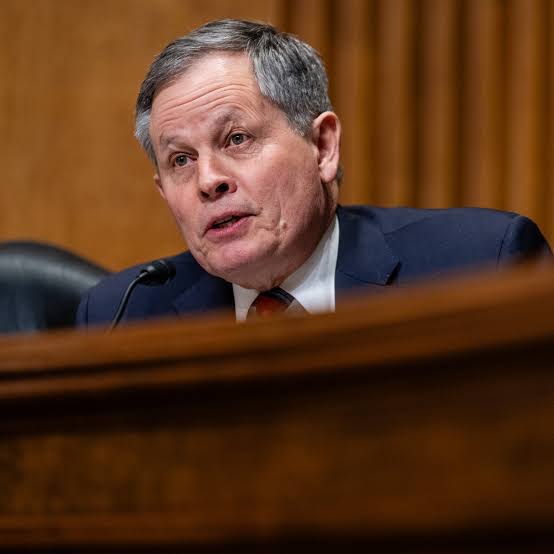
The controversy exploded during a congressional oversight hearing where Bondi was questioned about the Justice Department’s handling of the Epstein files.
The hearing quickly became combative.
Lawmakers demanded explanations for:
Missing documents
Heavy redactions
Potential exposure of victims’ identities
Delays in releasing files mandated by Congress
Several members accused Bondi of avoiding direct answers. The hearing reportedly devolved into shouting matches between lawmakers and the attorney general.
Critics argued that the Justice Department had failed to meet the transparency requirements mandated by law.
Bondi, however, insisted the department had released millions of pages of material and complied with its legal obligations.
Still, the political fallout was immediate.
Bipartisan Subpoena: Congress Escalates the Fight
In March 2026, the situation escalated when the House Oversight Committee voted to subpoena Bondi.
The vote was significant for two reasons:
It passed with bipartisan support.
Several Republican lawmakers joined Democrats to compel the testimony.
The subpoena passed 24–19, with five Republicans backing the measure.
The effort was spearheaded by Nancy Mace, who argued that the American public deserves complete transparency.
Lawmakers claimed tens of thousands of records, including videos and investigative files, remain unaccounted for.
The subpoena now forces Bondi to appear before Congress to explain the department’s actions and the missing documents.
Allegations of Missing Files
One of the most explosive claims from lawmakers is that tens of thousands of Epstein-related documents may still be missing from public releases.
Some lawmakers say more than 65,000 documents and thousands of videos referenced in investigative records have not been released.
This has fueled accusations that the Department of Justice may be withholding evidence.
Critics argue the withheld records could contain:
Witness statements
FBI investigative notes
Lists of Epstein associates
Financial transaction records
Bondi has denied any deliberate concealment.
Justice Department officials claim any missing documents may be duplicates, privileged material, or information that cannot legally be released.
Still, lawmakers remain unconvinced.
Redactions and Victim Privacy Concerns
Another major controversy involves how the released files were redacted.
Some documents were criticized for being heavily blacked out, raising questions about transparency.
Even more concerning, some redactions reportedly failed to properly conceal victims’ identities.
Lawmakers and victim advocacy groups condemned these mistakes, calling them deeply harmful to survivors of Epstein’s abuse.
The Justice Department has acknowledged some errors and said it is reviewing the process to ensure victims are protected.
However, critics say the mistakes highlight broader problems in how the documents were handled.
Political Fallout Inside Both Parties
One unusual aspect of the controversy is that criticism of Bondi is coming from both Democrats and Republicans.
Democrats have accused the Justice Department of covering up information that could implicate powerful figures.
Some Republicans, meanwhile, argue the department has failed to deliver the transparency promised by the administration.
The bipartisan frustration reflects broader political tensions surrounding the Epstein investigation.
Several prominent political figures have already been questioned by Congress about their past interactions with Epstein.
Those individuals have denied wrongdoing.
Still, lawmakers say the only way to end speculation is to release all remaining files.
Allegations and Political Controversy
During the hearing, some lawmakers went even further, accusing Bondi of misleading Congress about connections between Epstein and political figures.
One Democrat publicly accused the attorney general of lying under oath about alleged ties involving former President Donald Trump.
Bondi denied those accusations.
She insisted that the Justice Department’s review found no evidence of criminal wrongdoing involving Trump.
The claim intensified the already heated political environment surrounding the hearing.
Public Pressure and Survivor Advocacy
Beyond politics, the controversy has been fueled by pressure from survivors and advocacy groups.
Victims of Epstein’s abuse have repeatedly demanded full transparency from the government.
Many believe the files could reveal the identities of individuals who helped enable Epstein’s trafficking operation.
Advocates argue that releasing the documents is essential for justice and accountability.
Public distrust surrounding Epstein’s death and the secrecy around his associates has made transparency a central demand from the public.
Congress now faces intense pressure to ensure the investigation is fully disclosed.
What Happens Next?
The subpoena issued by the House Oversight Committee marks a major escalation in the conflict between Congress and the Justice Department.
If Bondi complies, she will testify under oath in a closed-door deposition or public hearing.
Lawmakers are expected to ask detailed questions about:
Missing documents
DOJ investigative decisions
Redactions and privacy protections
Any ongoing investigations related to Epstein
The Justice Department is also reviewing whether some records were improperly withheld during the document release process.
If additional files are discovered, they could reignite political controversy.
Why the Epstein Files Remain a National Obsession
Years after Epstein’s death, the case remains one of the most controversial criminal investigations in modern American history.
Several factors explain why the issue continues to dominate headlines:
Epstein’s connections to wealthy and powerful individuals
Unanswered questions about his trafficking network
Public distrust surrounding the circumstances of his death
The belief that powerful figures may have avoided accountability
For many Americans, the Epstein files represent a test of whether powerful people can be held accountable under the law.
That is why the battle in Congress is attracting so much attention.
The Broader Impact on U.S. Politics
The Bondi hearing controversy could have lasting implications for U.S. politics.
First, it highlights tensions between Congress and the executive branch over transparency and oversight.
Second, it shows how bipartisan alliances can form around issues of public accountability.
Finally, it demonstrates how the Epstein case continues to influence political narratives across party lines.
If additional documents emerge, the fallout could expand even further.
Conclusion
The political storm surrounding the Pam Bondi hearing and the Epstein files shows no sign of fading.
With a bipartisan subpoena now issued and Congress demanding answers, the controversy has entered a new phase.
At stake is more than a political dispute.
The outcome could determine whether the full truth about Jeffrey Epstein’s network ever becomes public.
As lawmakers continue their investigation, the pressure on the Justice Department—and on Bondi personally—will likely intensify.
For survivors, advocates, and millions of Americans watching the case, one question remains:
Will the Epstein files finally reveal everything?
FAQs
What is the Pam Bondi hearing about?
The hearing focuses on Attorney General Pam Bondi’s handling of documents related to Jeffrey Epstein’s investigation, including missing files and controversial redactions.
Why was Pam Bondi subpoenaed?
The House Oversight Committee voted to subpoena Bondi to testify under oath about the Justice Department’s release of Epstein documents and potential missing records.
What are the Epstein files?
The Epstein files are government records, investigative reports, witness statements, and court documents related to Jeffrey Epstein’s sex trafficking case.
What is the Epstein Files Transparency Act?
It is a U.S. law requiring the Justice Department to publicly release documents connected to the Epstein investigation.
Are there still missing Epstein documents?
Some lawmakers claim tens of thousands of files may still be missing or withheld, though the Justice Department denies intentional concealment.
How useful was this post?
Click on a star to rate it!
Average rating 0 / 5. Vote count: 0
No votes so far! Be the first to rate this post.
About the Author

usa5911.com
Administrator
Hi, I’m Gurdeep Singh, a professional content writer from India with over 3 years of experience in the field. I specialize in covering U.S. politics, delivering timely and engaging content tailored specifically for an American audience. Along with my dedicated team, we track and report on all the latest political trends, news, and in-depth analysis shaping the United States today. Our goal is to provide clear, factual, and compelling content that keeps readers informed and engaged with the ever-changing political landscape.