New Year’s Day Federal Holiday : offices closed, banks, courts
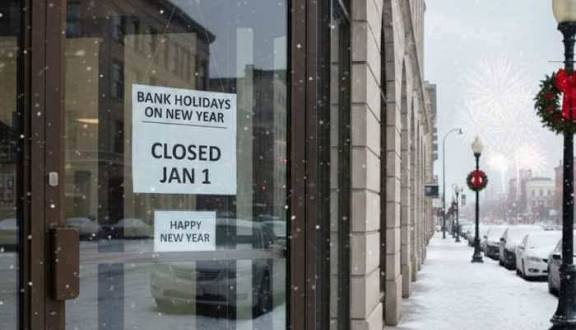
What’s closed in the US on January 1 Federal offices: All non-emergency federal government offices are closed. Today we will discuss about New Year’s Day Federal Holiday : offices closed, banks, courts
New Year’s Day Federal Holiday : offices closed, banks, courts
New Year’s Day, observed on January 1, marks the beginning of the calendar year and holds special importance in the United States as an official federal holiday. Beyond celebrations, fireworks, and resolutions, the day has a significant impact on government operations, financial institutions, courts, and everyday services. Because it is one of the most widely observed holidays nationwide, understanding what closes, what remains open, and how schedules are affected is essential for individuals, businesses, and organizations.
This in-depth guide explores the meaning, scope, and real-world effects of New Year’s Day as a federal holiday, helping readers plan effectively and avoid unexpected disruptions.
What Is New Year’s Day as a Federal Holiday?

A federal holiday in the United States is a day designated by the federal government when non-essential federal offices are closed, and federal employees are granted paid leave. New Year’s Day is among the oldest and most consistently observed federal holidays.
When January 1 falls on a weekday, the holiday is observed on that date. If it falls on a weekend, the holiday may be observed on the closest weekday, typically Monday. This ensures continuity in government scheduling and employee benefits.
New Year’s Day is recognized nationwide, influencing not only federal offices but also state governments, financial systems, and many private-sector institutions.
Why New Year’s Day Is a Federal Holiday
The federal designation of New Year’s Day reflects its cultural, historical, and administrative significance. It represents a shared national pause at the beginning of the year, allowing both public servants and the broader population time for rest and reflection.
From an operational standpoint, having New Year’s Day as a federal holiday allows:
Uniform scheduling across federal agencies
Predictable planning for businesses and financial institutions
Clear nationwide observance without regional variation
This consistency makes New Year’s Day one of the most impactful holidays in terms of service closures.
Federal Government Offices: What Closes
On New Year’s Day, most federal government offices are closed. This includes:
Administrative offices and departments
Federal regulatory agencies
Public service offices that do not require emergency operations
Only essential services, such as national security, emergency response, and critical infrastructure monitoring, continue to operate.
Federal employees typically receive a paid holiday unless their role requires continuous coverage.
State and Local Government Closures
Although New Year’s Day is a federal holiday, all states and most local governments also observe it. As a result:
State agency offices are closed
City halls and county offices are usually closed
Motor vehicle departments and licensing offices do not operate
Local governments may reschedule services such as permit processing, public meetings, and administrative deadlines.
Banks and Financial Institutions
Are Banks Closed on New Year’s Day?
Yes. New Year’s Day is widely observed as a bank holiday in the United States.
On January 1:
Bank branches are closed
Customer service desks inside branches are unavailable
In-person financial services are paused
However:
ATMs remain operational
Online and mobile banking platforms continue to function
Transaction Delays
While digital access remains available, many financial transactions are delayed, including:
Wire transfers
Automated clearing house (ACH) payments
Check processing
These transactions resume on the next business day following the holiday.
Stock Market and Financial Markets
Major U.S. financial markets observe New Year’s Day as a full trading holiday. This means:
Stock exchanges are closed
No trading activity takes place
Market orders placed during the holiday are processed when markets reopen
Investors should account for this closure when planning trades or financial decisions around the start of the year.
Courts and the Legal System
New Year’s Day is also recognized as a judicial holiday across the United States.
Federal Courts
All federal courts are closed
No hearings, trials, or routine filings occur
State and Local Courts
Most state and local courts are closed
Administrative legal services are unavailable
Legal Deadlines
When filing deadlines fall on New Year’s Day, they are generally extended to the next business day. Emergency legal matters may still be addressed, but routine proceedings are postponed.
Postal Services and Mail Delivery
United States Postal Service
On New Year’s Day:
No regular mail delivery takes place
Post office locations are closed
Mail processing resumes the following business day
Self-service kiosks may still be accessible in some locations, but full services are unavailable.
Package Delivery
Private delivery companies often operate on limited schedules or suspend deliveries entirely, depending on location and service type.
Schools and Educational Institutions
Most public schools are closed on New Year’s Day. Many schools are already on winter break, making the closure part of a longer holiday period.
Colleges and universities may:
Remain closed as part of winter recess
Resume classes after the holiday
Operate limited administrative services
Private educational institutions set their own schedules but commonly observe the holiday.
Public Transportation and City Services
Transportation
Public transportation systems typically run on:
Reduced holiday schedules
Modified routes or frequencies
Travelers should expect longer wait times and plan accordingly.
City Services
Municipal services such as:
Trash and recycling collection
Street maintenance
Public office appointments
May be delayed or rescheduled depending on local policies.
Retail Stores and Private Businesses
Unlike government offices, private businesses are not required to close on federal holidays.
Retail Stores
Many grocery stores and retail chains remain open
Holiday or reduced hours are common
Some small businesses choose to close entirely
Restaurants and Entertainment
Restaurants, cafés, and entertainment venues often remain open
Some see increased business due to holiday gatherings
Employers set their own policies regarding paid holidays and staffing.
Impact on Employees and Workers
For many workers, New Year’s Day offers:
A paid day off
Overtime opportunities in essential services
Adjusted schedules
Private-sector employees should always check company policies, as paid leave is not guaranteed outside the federal workforce.
Planning Tips for New Year’s Day
To avoid inconvenience, consider these tips:
Banking
Complete important transactions before January 1
Expect processing delays for payments and transfers
Legal and Administrative Matters
Submit filings early
Plan around extended deadlines
Mail and Deliveries
Allow extra time for mail and packages
Confirm delivery schedules in advance
Travel
Check public transportation holiday schedules
Plan for limited services
Cultural and Historical Significance
New Year’s Day has been celebrated for thousands of years across civilizations. In the U.S., it symbolizes:
Renewal and fresh beginnings
Reflection on the past year
Shared national observance
Over time, the holiday has become associated with traditions such as family gatherings, sporting events, parades, and resolutions.
Its federal status reinforces its role as a moment of collective pause across the nation.
How New Year’s Day Compares to Other Federal Holidays
New Year’s Day is unique because:
It begins the federal holiday calendar
It affects financial markets early in the year
It overlaps with extended winter holiday breaks
Unlike holidays tied to specific weekdays, New Year’s Day always falls on January 1, making it predictable and easier to plan around.
What Is Typically Closed on New Year’s Day?
Closed
Federal government offices
State and local government offices
Courts
Banks
Stock markets
Postal services
Often Open (with limitations)
Retail stores
Restaurants
Entertainment venues
Online services
Conclusion
New Year’s Day is far more than a celebration—it is a federal holiday with nationwide impact. From closed government offices and courts to bank shutdowns and market pauses, the holiday affects nearly every sector of American life.
Understanding these closures allows individuals and businesses to plan efficiently, avoid delays, and start the year smoothly. Whether you are managing finances, legal matters, travel, or work schedules, awareness of New Year’s Day federal holiday operations ensures clarity and preparedness.
As the first day of the year, New Year’s Day offers both a moment of rest and a fresh beginning—supported by a structured pause across the nation.
How useful was this post?
Click on a star to rate it!
Average rating 0 / 5. Vote count: 0
No votes so far! Be the first to rate this post.
About the Author

usa5911.com
Administrator
Hi, I’m Gurdeep Singh, a professional content writer from India with over 3 years of experience in the field. I specialize in covering U.S. politics, delivering timely and engaging content tailored specifically for an American audience. Along with my dedicated team, we track and report on all the latest political trends, news, and in-depth analysis shaping the United States today. Our goal is to provide clear, factual, and compelling content that keeps readers informed and engaged with the ever-changing political landscape.