Nestlé tribunal: legal pressure, Billings case, corporate scrutiny
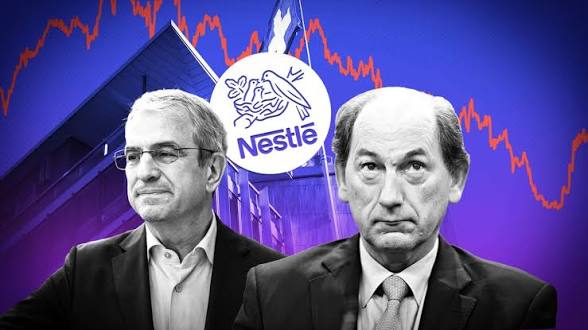
Global corporations are increasingly facing legal scrutiny over workplace practices, corporate governance, and accountability. One of the latest a, which has sparked widespread debate about employee rights, corporate discipline, and legal fairness.
This case, decided in 2026, highlights how even a single workplace incident can escalate into a major legal battle. It also reflects a broader global trend: large corporations are no longer immune from judicial examination. The tribunal ruling has placed Nestlé under intense scrutiny, raising important questions about corporate policies and employee protections.
Background of the Billings Case
The case centers around Luke Billings, a technical operator working at a Nestlé facility in the UK. In October 2023, a fire alarm was triggered at the factory, leading to a complete evacuation and temporary shutdown of production.
According to tribunal records:
The alarm disruption halted operations and caused financial losses.
CCTV footage placed Billings near the location before the alarm.
The company concluded he triggered the alarm by vaping in a restroom.
Nestlé dismissed Billings for gross misconduct, citing:
Violation of health and safety rules
Loss of trust due to alleged dishonesty
Operational disruption caused by the incident
However, Billings denied vaping at the workplace and challenged the dismissal legally.
Tribunal Decision and Outcome
The employment tribunal delivered a landmark ruling in favor of Billings, stating that the dismissal was unfair.
Key findings included:
There was no explicit rule classifying vaping in toilets as gross misconduct.
The incident was considered a single, isolated act in an otherwise clean record.
The dismissal decision relied heavily on assumptions and lack of clarity.
As a result, the tribunal awarded compensation of around £22,000 (₹27 lakh).
However, the compensation was reduced because the tribunal found Billings partly responsible for the situation.
This balanced judgment highlights a critical legal principle: both employer and employee conduct are evaluated in workplace disputes.
Legal Pressure on Nestlé
The case has placed Nestlé under growing legal pressure, especially in areas such as:
1. Employment Law Compliance
Companies must ensure that workplace policies are clearly defined and communicated. In this case, the absence of a clear rule weakened Nestlé’s position.
2. Fair Dismissal Standards
Employment tribunals closely examine whether dismissal decisions are proportionate. The ruling suggests that Nestlé’s response may have been excessive.
3. Evidence-Based Decision Making
The tribunal emphasized the need for concrete evidence rather than assumptions, especially in disciplinary actions.
Corporate Scrutiny in the Modern Era
The Billings case is not an isolated incident. It reflects a broader pattern of increasing scrutiny on multinational corporations like Nestlé.
Rising Legal Accountability
Courts across jurisdictions are more willing to challenge corporate decisions. For example:
Legal systems are expanding corporate liability frameworks
Employees are more empowered to challenge unfair treatment
Transparency is becoming a legal expectation
Investor and Public Pressure
Nestlé has also faced scrutiny in other areas, including product recalls and regulatory investigations.
This indicates that corporate accountability is now influenced not just by courts, but also by:
Investors
Consumers
Regulators
Impact on Corporate Governance
The tribunal ruling sends a strong message to corporations about governance standards.
1. Policy Clarity is Essential
Ambiguity in workplace rules can lead to legal defeats. Companies must:
Clearly define misconduct
Communicate policies effectively
Train employees on compliance
2. Proportional Disciplinary Actions
Organizations must ensure that punishment matches the severity of the offense.
3. Documentation and Evidence
Strong documentation is crucial in defending legal decisions.
Implications for Employees
The Billings case is equally significant for employees.
1. Legal Protection Against Unfair Dismissal
Employees have the right to challenge decisions that lack fairness or clarity.
2. Importance of Transparency
Employees must also act honestly during investigations, as partial fault can affect outcomes.
3. Awareness of Workplace Policies
Understanding company rules is essential to avoid disputes.
Comparison with Other Nestlé Legal Cases
Nestlé has faced several legal challenges globally, highlighting the scale of corporate scrutiny.
Tax Disputes in India
In 2026, the Supreme Court of India ruled in favor of Nestlé in a ₹101 crore tax dispute, providing clarity on licensing fees and corporate taxation.
International Corporate Liability Cases
In the United States, Nestlé has been involved in cases related to corporate responsibility in global supply chains, particularly under the Alien Tort Statute.
These cases show that legal challenges can arise across multiple domains:
Employment law
Taxation
Human rights
Consumer safety
Why This Case Matters Globally
The Nestlé tribunal case is significant beyond the UK for several reasons:
1. Precedent for Workplace Discipline
It reinforces that companies must act fairly and transparently.
2. Strengthening Employee Rights
The ruling empowers workers to challenge unjust decisions.
3. Corporate Accountability Trend
It reflects a global shift toward holding corporations accountable.
Lessons for Businesses
Companies worldwide can learn valuable lessons from this case:
Clear Policies
Ensure all workplace rules are:
Written
Accessible
Regularly updated
Fair Investigations
Conduct unbiased investigations before taking action.
Balanced Decision-Making
Avoid overly harsh penalties for minor or unclear violations.
Future Outlook
The Nestlé tribunal case is likely to influence future legal disputes involving:
Workplace discipline
Employee rights
Corporate governance
Experts believe that:
More employees will challenge dismissals
Courts will continue to scrutinize corporate decisions
Companies will strengthen compliance frameworks
Conclusion
The Nestlé tribunal involving the Billings case is a powerful example of how legal systems are reshaping corporate behavior. It demonstrates that even global giants must adhere to fairness, transparency, and accountability.
As legal pressure and public scrutiny continue to rise, corporations must adapt by improving governance and respecting employee rights. At the same time, employees must remain aware of their responsibilities and legal protections.
This case ultimately highlights a simple but crucial truth: fairness in the workplace is no longer optional—it is a legal requirement.
FAQs
1. What is the Nestlé tribunal Billings case?
It is a UK employment tribunal case where Nestlé was found to have unfairly dismissed employee Luke Billings.
2. Why was Billings dismissed?
He was accused of triggering a fire alarm by vaping in a restroom, leading to a factory shutdown.
3. What did the tribunal decide?
The tribunal ruled the dismissal was unfair due to lack of clear rules and proportionality.
4. How much compensation was awarded?
Approximately £22,000 (₹27 lakh), though reduced due to shared responsibility.
5. What does this case mean for companies?
It highlights the importance of clear policies, fair treatment, and evidence-based decisions.
6. Does this case affect global corporations?
Yes, it reflects a broader trend of increasing legal scrutiny on multinational companies.
How useful was this post?
Click on a star to rate it!
Average rating 0 / 5. Vote count: 0
No votes so far! Be the first to rate this post.
About the Author

usa5911.com
Administrator
Hi, I’m Gurdeep Singh, a professional content writer from India with over 3 years of experience in the field. I specialize in covering U.S. politics, delivering timely and engaging content tailored specifically for an American audience. Along with my dedicated team, we track and report on all the latest political trends, news, and in-depth analysis shaping the United States today. Our goal is to provide clear, factual, and compelling content that keeps readers informed and engaged with the ever-changing political landscape.