Military Draft : US war tension, conscription debate surge
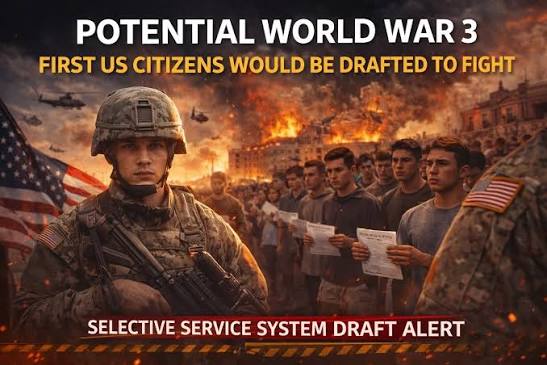
The debate over a military draft in the United States has resurfaced as global tensions and geopolitical conflicts intensify. While the U.S. military currently operates as an all-volunteer force, recent political statements and security developments have triggered fresh discussions about whether the government could reintroduce conscription during a national crisis.
Concerns about a possible draft have grown amid escalating international conflicts and political rhetoric in Washington. Social media discussions, political reactions, and policy debates have made the military draft issue one of the most talked-about defense topics in 2026.
This article explains the current situation, the history of the U.S. draft, why the debate has returned, and what it could mean for American citizens.
What Is the Military Draft?
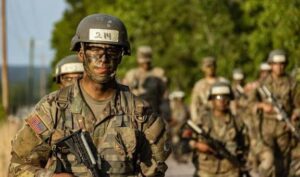
The military draft, also known as conscription, is a government policy that requires eligible citizens to serve in the armed forces during times of war or national emergency.
Unlike voluntary enlistment, conscription mandates service based on criteria such as:
Age
Citizenship
Physical fitness
National security needs
In the United States, the draft has historically been used during major conflicts, including World War I, World War II, and the Vietnam War.
The last time Americans were drafted into military service was 1973, after which the U.S. shifted to an all-volunteer military system.
Although there has been no draft for decades, the legal infrastructure for one still exists.
The Selective Service System: How the Draft Would Work
Even without an active draft, the United States maintains a standby system called the Selective Service System.
The agency keeps records of potential draftees in case the government needs to mobilize troops quickly during a national emergency.
Currently:
Men aged 18–25 must register with the system.
The government maintains a database of eligible individuals.
A draft could be activated if Congress and the President approve it.
The system exists as a contingency plan, ensuring the military could expand rapidly if needed.
Beginning in December 2026, the U.S. government plans to implement automatic draft registration, meaning eligible men will be registered through federal databases instead of signing up manually.
This change is considered the most significant update to the Selective Service process in decades.
Why the Military Draft Debate Is Rising Again
The discussion about reinstating the draft has intensified due to several geopolitical and political factors.
1. Rising Global Military Tensions
Increasing conflicts and security concerns have led many analysts to ask whether the U.S. military would have enough personnel if a major war occurred.
Global tensions involving multiple regions have revived fears of a large-scale military confrontation that could require more troops than the volunteer military can supply.
2. Recent Political Comments
Recent comments from political leaders have fueled speculation about the possibility of a draft.
In a television interview, a senior U.S. official did not rule out the option of reinstating conscription if war conditions worsened. The remarks triggered intense reactions online and among political figures.
Critics argue that such statements signal preparation for larger military conflicts.
Supporters of strong national defense say keeping the option open is necessary.
3. Military Recruitment Challenges
Another factor driving the debate is recruitment.
The U.S. military has faced recruitment shortfalls in recent years, with fewer young Americans meeting eligibility requirements or choosing military careers.
Some policymakers believe a draft could solve manpower shortages during large-scale conflicts.
History of Conscription in the United States
The United States has used conscription during several major conflicts.
Civil War Draft
The first federal draft occurred during the American Civil War in 1863. Both the Union and the Confederacy used conscription to fill their armies.
However, the policy sparked controversy and even riots in some cities.
World War I
The Selective Service Act of 1917 created the modern U.S. draft system.
Millions of men were drafted into the military to support the war effort.
World War II
Conscription played a massive role in World War II, mobilizing millions of American soldiers before and during the conflict.
Cold War and Vietnam War
The draft continued during the Cold War and was heavily used during the Vietnam War.
The Vietnam draft became extremely controversial, leading to protests and draft resistance across the country.
Many young Americans sought deferments, emigrated, or protested the policy.
By 1973, the United States ended the draft and adopted the volunteer military system still used today.
Could the U.S. Bring Back the Draft?
Legally, yes.
The U.S. government could reinstate the military draft if:
Congress passes legislation authorizing it.
The President signs the law.
The Selective Service System activates the draft process.
Experts say such a decision would likely happen only under extreme national emergencies, such as a major global war.
Even then, policymakers would face significant political and social opposition.
Political Debate Over Conscription
The military draft remains one of the most divisive defense issues in American politics.
Arguments Supporting the Draft
Supporters argue that conscription could:
Strengthen national defense
Provide sufficient troops during major wars
Promote national unity and civic responsibility
Ensure military service is shared across society
Some analysts also argue that a draft would distribute the burden of war more evenly among social classes.
Arguments Against the Draft
Opponents strongly disagree.
Common criticisms include:
Violation of personal freedom
Ethical concerns about forced service
Potential social unrest
Negative impact on military morale
Critics also point out that professional volunteer soldiers are often better trained and more motivated than conscripts.
Social Media Reactions and Public Concerns
The idea of a potential military draft has sparked intense reactions online.
Many parents and young Americans have expressed anxiety about the possibility of being forced into military service.
Recent political discussions about conscription have triggered a wave of criticism on social media, with some politicians strongly opposing any return to mandatory military service.
Public reaction highlights how controversial the topic remains decades after the Vietnam War.
Would Women Be Drafted?
Another major question in the debate is gender equality.
Currently, only men are required to register for the Selective Service.
However, lawmakers and courts have debated whether women should also be included.
Some policymakers argue that since women serve in combat roles today, they should also be subject to draft registration.
Others believe expanding the draft would deepen the controversy rather than solve the issue.
Alternative Proposals: National Service
Some policymakers suggest an alternative approach called mandatory national service.
Instead of only military service, young citizens could serve in:
Disaster response
Infrastructure projects
Healthcare support
Environmental programs
Supporters believe this model would strengthen national unity while avoiding the controversy of military conscription.
Critics argue that any mandatory service program could still infringe on individual freedoms.
How Likely Is a Draft in 2026?
Defense experts say a draft is unlikely in the near future.
The United States maintains one of the world’s largest volunteer militaries, and policymakers generally prefer voluntary enlistment.
However, the existence of the Selective Service system means the option remains available if circumstances change dramatically.
Most analysts believe the draft would only return under extraordinary wartime conditions.
Impact on Young Americans
For young Americans, the renewed debate raises important questions about civic duty, national defense, and personal freedom.
Although the draft is not currently active, millions of men are still registered in the Selective Service database.
The issue also highlights broader discussions about:
Military readiness
Youth engagement
National identity
Public trust in government
Whether or not conscription ever returns, the debate reflects the evolving relationship between American society and the military.
Conclusion
The resurgence of the military draft debate reflects growing global uncertainty and domestic political tensions.
While the United States has not used conscription since the Vietnam War, the legal framework still exists through the Selective Service System.
Recent geopolitical conflicts and political statements have reignited public discussion about whether the country might eventually need a draft again.
For now, the U.S. military remains an all-volunteer force. But as global security challenges evolve, the debate over conscription is likely to remain a significant topic in American politics and defense policy.
FAQs
Is there currently a military draft in the United States?
No. The United States currently operates an all-volunteer military and has not used a draft since 1973.
What is the Selective Service System?
It is a government agency that maintains a list of eligible individuals in case the U.S. government needs to reinstate a draft during a national emergency.
Who must register for the draft?
Currently, men aged 18 to 25 in the United States must register with the Selective Service system.
Could the U.S. bring back the draft?
Yes. Congress and the President could reinstate conscription if a major national emergency or war required more troops.
Will women be included in the draft?
Currently, women are not required to register, but lawmakers have debated expanding the draft to include them.
Why is the military draft being discussed again?
Rising global tensions, military recruitment challenges, and political comments about possible future conflicts have revived the debate.
How useful was this post?
Click on a star to rate it!
Average rating 0 / 5. Vote count: 0
No votes so far! Be the first to rate this post.
About the Author

usa5911.com
Administrator
Hi, I’m Gurdeep Singh, a professional content writer from India with over 3 years of experience in the field. I specialize in covering U.S. politics, delivering timely and engaging content tailored specifically for an American audience. Along with my dedicated team, we track and report on all the latest political trends, news, and in-depth analysis shaping the United States today. Our goal is to provide clear, factual, and compelling content that keeps readers informed and engaged with the ever-changing political landscape.