Mike Waltz surge: Iran threat, security warning, GOP war narrative
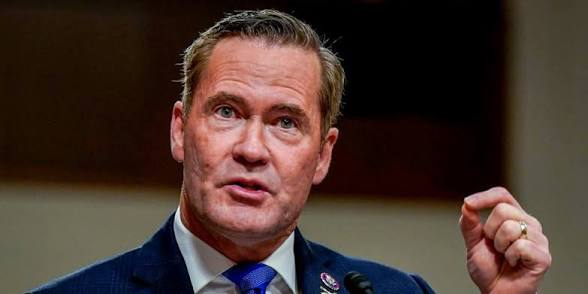
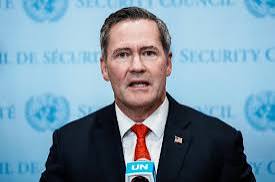
The global spotlight has turned sharply toward Mike Waltz, a key figure in U.S. national security policy, as tensions with Iran escalate into one of the most volatile geopolitical crises of 2026. With war rhetoric intensifying and military actions expanding across the Middle East, Waltz’s statements have become central to the Republican Party’s broader narrative on national security, deterrence, and global leadership.
From issuing stark warnings about Iran’s intentions to backing aggressive U.S. policy decisions, Waltz has emerged as a defining voice in what many analysts now call the GOP war narrative. His messaging reflects not only immediate military concerns but also a deeper ideological shift within American politics—one that frames Iran as an existential threat to global stability.
This article explores the Mike Waltz surge, analyzing his role in shaping policy, the Iran threat narrative, and the political implications driving U.S. strategy.
Who Is Mike Waltz? A Rising National Security Voice
Mike Waltz has steadily climbed the ranks of U.S. foreign policy leadership. Known for his military background and strong stance on defense, Waltz now plays a pivotal role in shaping America’s global strategy.
In recent weeks, his influence has grown significantly as the U.S. navigates a rapidly escalating conflict with Iran. His public appearances, interviews, and diplomatic messaging have positioned him as a central communicator of the administration’s stance.
According to reports, Waltz has strongly supported U.S. actions against Iran, emphasizing that American leadership must prevent Tehran from threatening global energy supplies or developing nuclear capabilities.
Iran Threat Escalation: A Turning Point in Global Security
The backdrop to Waltz’s rise is a deepening crisis between the United States and Iran. The conflict intensified after coordinated military actions and retaliatory strikes destabilized the region.
Recent developments show just how serious the situation has become:
- The U.S. issued an ultimatum to Iran regarding the Strait of Hormuz, a critical global oil route.
- Iran responded with threats to shut down the strait, raising fears of an energy crisis.
- Missile and drone attacks have expanded across multiple countries, increasing the risk of a broader war.
This escalating conflict has reinforced the urgency behind Waltz’s warnings. His messaging aligns with a broader U.S. strategy that frames Iran as not just a regional threat, but a global one.
Mike Waltz’s Security Warnings: Key Messages
Waltz’s rhetoric has been consistent and forceful. His key messages include:
1. Iran as a Direct Threat
Waltz has repeatedly emphasized that Iran’s leadership poses a direct danger to the United States and its allies. He has stressed that future Iranian leadership must not “threaten Americans” or destabilize global energy markets.
2. Energy Security and Global Impact
One of Waltz’s central arguments revolves around energy security. The Strait of Hormuz handles a significant portion of the world’s oil supply, making any disruption a global crisis.
3. Justification for Military Action
Waltz has supported strong U.S. responses, including potential strikes on Iranian infrastructure if necessary. Reports indicate he backed warnings that the U.S. could target key facilities if Iran escalates further.
4. Deterrence Through Strength
His stance reflects a traditional Republican view: peace is achieved through strength, not restraint.
The GOP War Narrative: Strategy and Messaging
Waltz’s rise is closely tied to a broader political framework within the Republican Party. This GOP war narrative includes several key elements:
1. Framing Iran as an Existential Threat
Republican leaders increasingly portray Iran as a long-term, systemic threat to Western values and global order.
2. Moral and Strategic Justification
U.S. actions are framed as necessary for global stability, often described as defensive rather than aggressive.
3. “Escalate to De-escalate” Doctrine
Some officials argue that increased military pressure is required to force Iran into compliance.
4. Political Mobilization
The narrative also plays a domestic role—rallying political support and reinforcing national security credentials ahead of elections.
Internal Divisions: Not All Republicans Agree
Despite the dominant narrative, the GOP is not entirely unified. Some factions have raised concerns about the risks of prolonged conflict.
A notable example is the resignation of a senior U.S. official who opposed the war, arguing that Iran did not pose an imminent threat.
This highlights a growing divide:
- Hawkish wing: Supports aggressive action (aligned with Waltz)
- Anti-interventionist wing: Warns against another prolonged war
These internal tensions could shape future policy decisions.
Global Consequences of the Iran Conflict
The escalating crisis has far-reaching implications:
1. Energy Crisis
Disruptions in the Strait of Hormuz are already impacting global oil prices and supply chains.
2. Regional Instability
The conflict has expanded beyond Iran, affecting:
- Israel
- Lebanon
- Gulf states
3. Humanitarian Concerns
Thousands have been killed or displaced as the conflict intensifies.
4. Diplomatic Fallout
Global powers are divided, with some supporting U.S. actions and others calling for restraint.
Media and Public Perception
Media coverage has played a crucial role in amplifying Waltz’s message. His interviews and statements often dominate headlines, shaping public understanding of the conflict.
At the same time, critics argue that the narrative may oversimplify a complex geopolitical situation. Concerns include:
- Over-reliance on military solutions
- Limited diplomatic engagement
- Risk of misinformation
Mike Waltz’s Political Future
The current crisis has significantly elevated Waltz’s political profile. His strong stance on Iran positions him as a leading voice on national security within the Republican Party.
Potential future trajectories include:
- Expanded role in foreign policy leadership
- Greater influence in shaping GOP strategy
- Increased visibility in national elections
Conclusion
The Mike Waltz surge reflects more than just one individual’s rise—it signals a broader shift in U.S. foreign policy and political messaging. As tensions with Iran continue to escalate, Waltz’s role in shaping the narrative will remain critical.
His warnings, rooted in security concerns and strategic priorities, highlight the challenges facing global leaders in an increasingly unstable world. Whether this approach leads to deterrence or deeper conflict remains one of the defining questions of 2026.
FAQs
1. Why is Mike Waltz in the news?
Mike Waltz is gaining attention for his strong stance on Iran and his role in shaping U.S. national security policy during escalating tensions.
2. What is the Iran threat mentioned by Waltz?
Waltz views Iran as a major threat due to its military actions, nuclear ambitions, and potential to disrupt global energy supplies.
3. What is the GOP war narrative?
It is a political framework that supports strong military action against perceived threats, emphasizing deterrence and national security.
4. Is the U.S. currently at war with Iran?
While not officially declared, the situation involves active military conflict and escalating hostilities.
5. What are the global impacts of this crisis?
The conflict affects oil prices, regional stability, global security, and humanitarian conditions.
6. Are there disagreements within the U.S. government?
Yes, some officials and political factions oppose the aggressive approach, warning of long-term risks.
How useful was this post?
Click on a star to rate it!
Average rating 0 / 5. Vote count: 0
No votes so far! Be the first to rate this post.
About the Author

usa5911.com
Administrator
Hi, I’m Gurdeep Singh, a professional content writer from India with over 3 years of experience in the field. I specialize in covering U.S. politics, delivering timely and engaging content tailored specifically for an American audience. Along with my dedicated team, we track and report on all the latest political trends, news, and in-depth analysis shaping the United States today. Our goal is to provide clear, factual, and compelling content that keeps readers informed and engaged with the ever-changing political landscape.