Mike Waltz: Iran strike threat, oil surge, global tension
The geopolitical landscape in 2026 has taken a dramatic turn as tensions between the United States, Iran, and regional powers escalate to dangerous levels. At the center of this crisis is Mike Waltz, whose recent statements have intensified global concern. His warnings about Iran’s military capabilities, combined with threats of potential strikes on energy infrastructure, have sent shockwaves through global markets.
As the situation unfolds, oil prices are surging, supply chains are under pressure, and fears of a broader conflict are mounting. This article explores the evolving crisis, the role of Mike Waltz, and how the Iran strike threat is reshaping global economics and security.
Who Is Mike Waltz and Why His Warning Matters
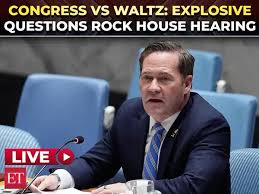
Mike Waltz has emerged as a key voice in U.S. foreign policy during this crisis. As the U.S. Ambassador to the United Nations, Waltz has taken a firm stance on Iran, warning that Tehran’s actions pose a direct threat not just to the Middle East but to global stability.
Recent reports indicate that Waltz has publicly supported potential military action if Iran continues to block critical energy routes or escalate attacks. He has emphasized that Iran’s infrastructure, including power plants, could be considered legitimate targets if the conflict intensifies .
Moreover, Waltz has raised alarm over Iran’s missile capabilities, suggesting they could reach Europe, thereby expanding the scope of the threat far beyond the Middle East .
Iran Strike Threat: What’s Happening Right Now
The current crisis stems from escalating hostilities between Iran, the United States, and Israel. The conflict has intensified following a series of military strikes and retaliatory attacks.
Key developments include:
- U.S. threats to strike Iranian power plants if key shipping routes remain blocked
- Iran’s warning of retaliation against regional energy infrastructure
- Missile and drone attacks across the Middle East, expanding the conflict zone
The most critical flashpoint is the Strait of Hormuz, a narrow waterway through which approximately 20% of the world’s oil supply passes. Disruptions here have immediate global consequences.
The near shutdown of this route has already triggered an energy crisis, with tanker traffic drastically reduced and global supply chains disrupted .
Oil Surge: Why Prices Are Spiking
One of the most immediate consequences of the Iran strike threat is the sharp rise in oil prices.
Key Reasons for the Oil Surge
1. Supply Disruption
The partial closure of the Strait of Hormuz has severely limited oil exports. Tanker traffic has dropped dramatically, with some reports indicating near-total disruption .
2. Attacks on Energy Infrastructure
Strikes on major energy facilities, including gas fields and refineries, have reduced production capacity. For instance, attacks on the South Pars gas field affected a significant portion of Iran’s gas output .
3. Market Panic
Global markets react strongly to geopolitical uncertainty. Oil prices have surged to multi-year highs, with analysts warning of further increases if tensions escalate .
4. Geopolitical Risk Premium
Investors are pricing in the risk of a wider war, pushing energy costs even higher.
Global Economic Impact
The ripple effects of rising oil prices are being felt worldwide.
1. Inflation Pressures
Higher energy costs are driving inflation, particularly in developing economies that rely heavily on oil imports.
2. Stock Market Volatility
Markets across Asia and Europe have shown signs of instability, with energy and defense stocks rising while broader indices fluctuate .
3. Supply Chain Disruptions
Shipping delays and increased transportation costs are affecting industries ranging from manufacturing to retail.
4. Energy Crisis in Import-Dependent Countries
Countries that rely on Gulf oil are facing shortages and emergency measures to conserve fuel .
Military Escalation and Strategic Risks
The situation is not just economic—it is deeply strategic.
Expanding Conflict Zone
The conflict has already spread beyond Iran, impacting:
- Israel
- Lebanon
- Gulf states
- U.S. military bases
Risk of Full-Scale War
Experts warn that continued escalation could lead to a broader regional war involving multiple global powers.
Nuclear Concerns
Strikes near nuclear facilities have raised fears of environmental and humanitarian disasters .
Energy Infrastructure: The New Battlefield
Modern conflicts increasingly target energy infrastructure, and this crisis is no exception.
Why Energy Sites Matter
- They are critical to national economies
- They affect global supply chains
- They create immediate economic shock
Recent Targets
- Gas fields
- Oil refineries
- Power plants
Iran has warned it could strike energy facilities across the Middle East if attacked, escalating fears of a broader energy war .
Mike Waltz’s Strategic Messaging
Mike Waltz has played a crucial role in shaping the narrative.
Key Themes in His Statements
- Strong deterrence against Iran
- Protection of global energy routes
- Support for aggressive U.S. response
Waltz has framed the crisis as not just a regional issue but a global security challenge, emphasizing the need to maintain free navigation and energy stability.
Global Reactions
United Nations
The UN has called for de-escalation, warning that continued conflict could destabilize the global economy.
Europe
European nations are urging restraint while preparing for energy shortages.
Asia
Major economies like China, Japan, and India are closely monitoring oil supplies due to their heavy dependence on imports.
What Happens Next?
The future of this crisis depends on several factors:
1. Diplomatic Efforts
If negotiations succeed, tensions could ease, stabilizing oil prices.
2. Military Action
Further strikes could escalate the conflict, leading to a prolonged war.
3. Energy Market Adjustments
Countries may seek alternative energy sources or increase reserves.
Long-Term Implications
Shift in Global Energy Strategy
Countries may accelerate the transition to renewable energy to reduce dependence on volatile regions.
Geopolitical Realignment
Alliances may shift as nations respond to the evolving crisis.
Increased Defense Spending
Governments are likely to boost military budgets in response to rising threats.
Conclusion
The Iran strike threat, amplified by warnings from Mike Waltz, represents one of the most significant geopolitical crises of 2026. With oil prices surging and global tensions rising, the world is facing a complex and volatile situation.
The coming weeks will be critical in determining whether diplomacy prevails or the conflict escalates further. One thing is certain: the impact of this crisis will be felt far beyond the Middle East, shaping global economics and politics for years to come.
FAQs
1. Why is Mike Waltz warning about Iran?
Mike Waltz has raised concerns about Iran’s missile capabilities and its actions in blocking key energy routes, which threaten global security and energy supplies.
2. Why are oil prices rising?
Oil prices are increasing due to supply disruptions, attacks on energy infrastructure, and geopolitical uncertainty linked to the Iran conflict.
3. What is the Strait of Hormuz and why is it important?
The Strait of Hormuz is a critical shipping route through which about 20% of the world’s oil passes, making it vital to global energy markets.
4. Could this lead to a global war?
While not certain, the risk of a broader regional conflict is high if tensions continue to escalate.
5. How does this affect everyday people?
Rising oil prices can lead to higher fuel costs, increased inflation, and economic instability worldwide.
I
How useful was this post?
Click on a star to rate it!
Average rating 0 / 5. Vote count: 0
No votes so far! Be the first to rate this post.
About the Author

usa5911.com
Administrator
Hi, I’m Gurdeep Singh, a professional content writer from India with over 3 years of experience in the field. I specialize in covering U.S. politics, delivering timely and engaging content tailored specifically for an American audience. Along with my dedicated team, we track and report on all the latest political trends, news, and in-depth analysis shaping the United States today. Our goal is to provide clear, factual, and compelling content that keeps readers informed and engaged with the ever-changing political landscape.