Maxwell Clemency Push: Trump, Epstein files, Congress standoff, political firestorm
In early February 2026, the United States found itself in a turbulent political and legal maelstrom centered on Ghislaine Maxwell, the convicted co-conspirator of Jeffrey Epstein, and her unprecedented offer to provide critical testimony only if she is granted clemency — potentially by former President Donald Trump. This development has intensified scrutiny of the Epstein files, congressional oversight fights, and claims of institutional shielding of powerful individuals. What may have been a legal proceeding has ballooned into a full-blown political firestorm with ramifications across party lines and public confidence in governance.
The Maxwell Clemency Gambit: What Happened?
At a recent deposition before the House Oversight Committee, Maxwell invoked her Fifth Amendment right to avoid answering questions related to her involvement with Jeffrey Epstein and potential co-conspirators, citing ongoing legal strategy. However, in a striking twist, her legal team declared that she would be willing to testify fully and honestly — but only if granted clemency by Donald Trump.
This gambit — arguably a high-stakes negotiation — sent shockwaves through Capitol Hill and the broader public discourse. Maxwell’s attorney asserted her unique position to “clear” the names of political figures, including Trump and Bill Clinton, should she testify. However, critics argue this tactic threatens to weaponize testimony in exchange for a pardon, undermining justice and accountability.
Epstein Files: Transparency Law and Unredacted Records
A pivotal part of the standoff involves the Epstein Files, a massive trove of documents related to the investigation of Epstein’s criminal enterprise. Over the past few months, millions of internal files were released under the Epstein Files Transparency Act, passed unanimously by Congress and signed by Trump in November 2025. The law mandates the release of all unclassified records relating to Epstein’s conduct and network.
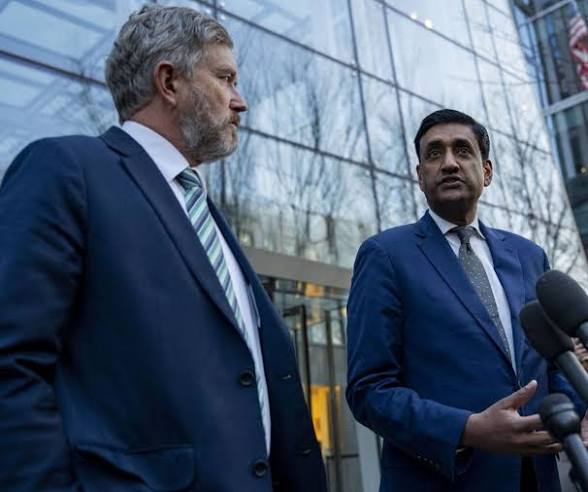
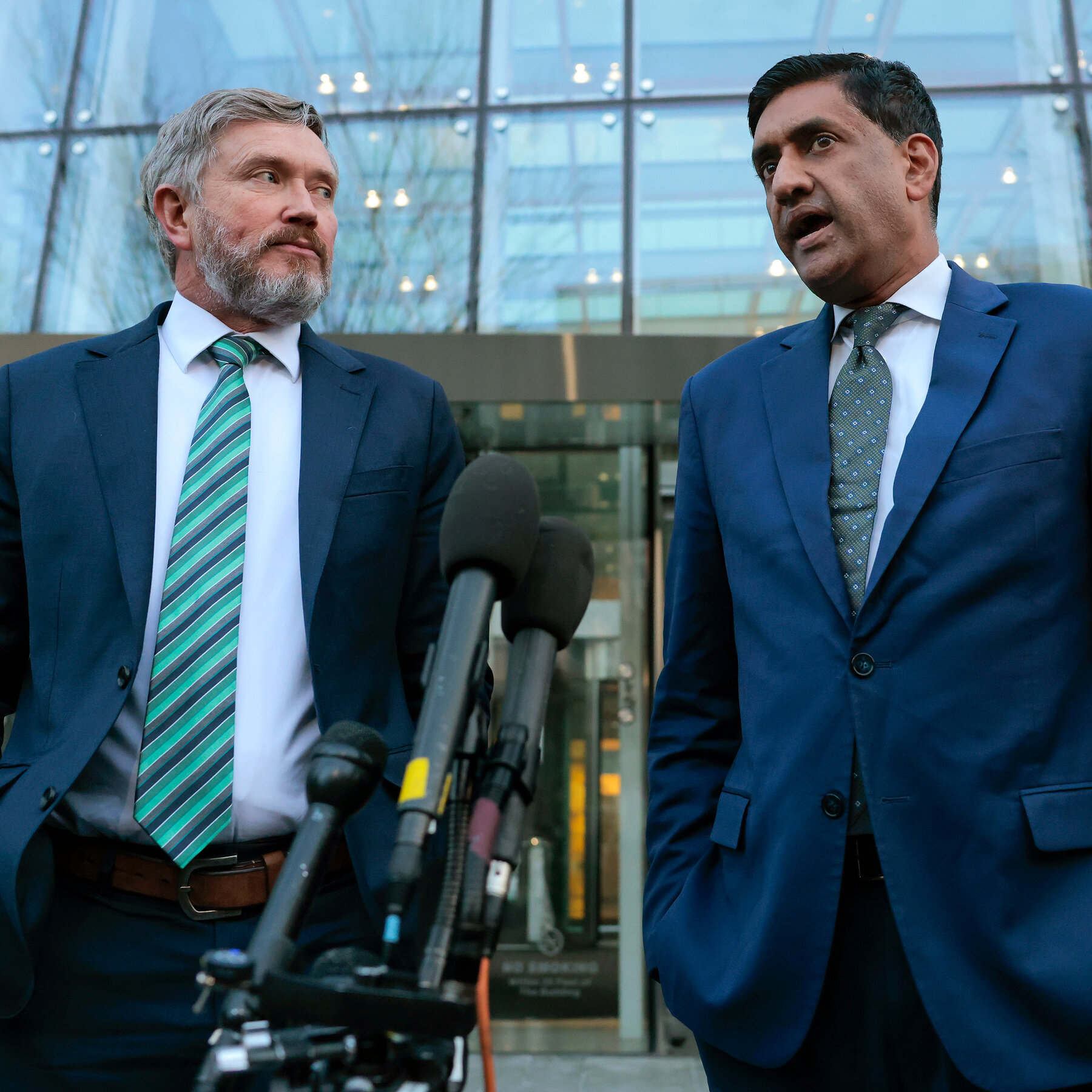
Despite the legislative intent, lawmakers reviewing the files have alleged excessive redactions — especially concerning individuals with potential influence or prominence. Representatives Thomas Massie (R-KY) and Ro Khanna (D-CA) reported that at least six men remain “likely incriminated” but were redacted in the publicly available documents, raising allegations that redactions may be shielding powerful figures.
This perceived gap between legislative mandate and execution has fueled demands for fuller transparency and escalated congressional pressure on the Department of Justice (DOJ).
Political Ramifications: Congressional Standoff and Beyond
The Maxwell clemency push has intersected with intense political conflict in Congress:
Bipartisan Outrage and Internal Friction
Although Maxwell’s conditional offer has drawn interest from some lawmakers, it has been met with broad bipartisan criticism. Democrats have labeled the move “brazen” and part of a strategy to bargain her silence for personal benefit. Republicans also largely oppose granting clemency, fearful of setting a dangerous precedent and eroding the rule of law.
House Oversight Committee Dynamics
The chairman of the House Oversight Committee, Representative James Comer, described Maxwell’s refusal to answer questions as “disappointing” but reaffirmed the committee’s commitment to uncovering the truth about Epstein’s network and government response.
High-Profile Fallout
Pressure is also building on other public officials tied, tangentially or otherwise, to Epstein. For example, Representative Massie publicly called for Commerce Secretary Howard Lutnick — a Trump ally — to resign, citing evidence of his past communications with Epstein in released documents.
Legal and Ethical Debates: Clemency vs. Accountability
The clemency proposal thrusts into sharp relief deeper legal and ethical questions:
Presidential Clemency Powers
Under U.S. law, the president has broad authority to grant pardons or commutations. However, applying this to a convicted sex trafficker like Maxwell, particularly as a precondition for cooperation, tests both legal boundaries and public sensibilities.
Accountability for Minorities vs. the Powerful
Critics argue that offering clemency to a figure like Maxwell is a perverse bargain that could prioritize political convenience over accountability. Survivors and advocacy groups, as well as many lawmakers, have voiced opposition to any measures that might dilute the severity of Maxwell’s sentence or compromise the integrity of congressional oversight.
Trump’s Position: Ambiguous and Controversial
While Trump has not definitively ruled on the clemency offer, his earlier actions regarding the Epstein files — including signing the Transparency Act after considerable resistance — have been scrutinized. Some analysts interpret Trump’s initial hesitation to release the files and subsequent shift as politically calculated, potentially influenced by pressure from within his own party.
Public statements from Trump’s circle have been mixed, with some suggesting that a pardon for Maxwell has not been formally requested or considered, while others hint that clemency discussions could surface if political benefit is perceived. The ambiguity only heightens political tension and public skepticism.
Public Reaction: Outrage, Distrust, and Deepening Polarization
Across the political spectrum, reactions range from disbelief to anger:
Survivor advocacy groups condemned the idea of bargaining testimony for clemency, framing it as a betrayal of justice.
Political commentators and activists on both the left and right have argued that deep political motives are overshadowing a search for truth.
General public sentiment reflects broader frustration with transparency, trust in institutions, and the role of political elites in shielding themselves. This echoes wider concerns about the balance of power and public accountability.
Why This Matters for America’s Democracy
The developments surrounding Maxwell’s clemency push and the handling of the Epstein files go beyond isolated news headlines:
Rule of Law: The situation tests how legal accountability functions when intertwined with high politics.
Separation of Powers: Congressional oversight, executive clemency, and judicial processes intersect in complex and unprecedented ways.
Public Trust: Each new disclosure, allegation, or political maneuver influences public confidence in democratic institutions, particularly at a time of deep partisan divides.
Looking Ahead: What Could Happen Next?
Several potential paths could shape this story in the coming months:
Fuller Release of Epstein Files: Further unredacted documents may be released, potentially revealing more information about powerful individuals connected to Epstein’s network.
Maxwell’s Legal Moves: Maxwell could pursue additional legal appeals or refine her conditional offer for testimony.
Congressional Action: Lawmakers may pursue subpoenas, hearings, and even legislative responses to address gaps in transparency or perceived obstruction.
Executive Decisions on Clemency: Any movement from Trump or future presidents on Maxwell’s clemency status could redefine how clemency power is viewed in politically charged investigations.
Each of these developments will reverberate across legal and political arenas, shaping public debate about justice, power, and accountability in America.
Frequently Asked Questions (FAQs)
1. Who is Ghislaine Maxwell and why is her case significant?
Ghislaine Maxwell is a British socialite convicted of aiding Jeffrey Epstein’s sex trafficking crimes. Her case is significant because it touches on high-profile networks of power and alleged shielding of influential figures.
2. What are the “Epstein files”?
The Epstein files are a large collection of documents, communications, and records related to the investigation into Jeffrey Epstein’s crimes, released under the Epstein Files Transparency Act.
3. What is Maxwell’s clemency offer?
Maxwell’s legal team has stated she’s willing to testify fully before Congress if she is granted clemency, a move that has ignited political controversy.
4. Has Trump responded to the clemency request?
As of now, Trump has not made a definitive decision about granting clemency to Maxwell, and public statements have been ambiguous.
5. Why are lawmakers upset about the Epstein files redactions?
Some lawmakers say redactions obscure names of potentially implicated individuals, which they argue undermines the purpose of transparency legislation.
About the Author