Mark Rutte: NATO push, Russia threat, Europe defense shift
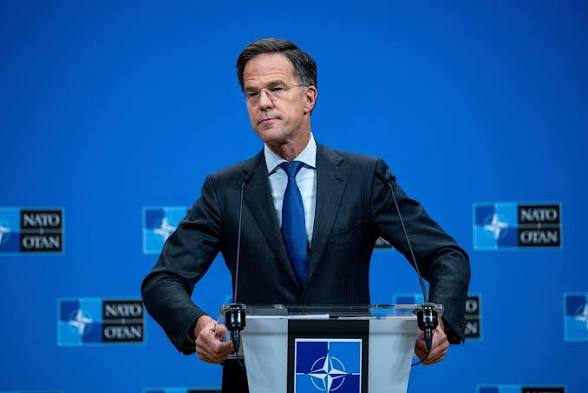
The geopolitical landscape of Europe is undergoing a profound transformation. At the center of this shift is Mark Rutte, whose leadership at NATO is shaping a new era of defense strategy.
As tensions with Russia continue to rise, Rutte has taken a firm stance: Europe must strengthen its defenses, increase military spending, and prepare for long-term confrontation. His warnings are not abstract—they are grounded in ongoing conflict dynamics, evolving warfare tactics, and strategic uncertainties involving global powers.
This article explores Rutte’s NATO push, the scale of the Russian threat, and how Europe is rapidly shifting its defense posture.
Mark Rutte’s NATO Vision: A Strategic Reset
Since assuming leadership, Mark Rutte has emphasized that NATO must adapt to a more dangerous world. He has consistently warned that Russia is not a temporary challenge but a long-term strategic threat.
In a 2026 NATO address, Rutte stated that Russia remains the alliance’s “most significant threat,” highlighting Moscow’s continued military production, cyber activities, and hybrid warfare tactics.
This message marks a clear strategic reset:
- NATO is moving from deterrence to preparedness
- Europe is transitioning from peace dividends to defense investment
- Long-term confrontation is now part of planning
Rutte’s approach signals that NATO is preparing not just for crises—but for sustained geopolitical competition.
Russia as the Core Threat to Europe
The central pillar of Rutte’s argument is clear: Russia poses the greatest threat to European security.
According to NATO assessments and security reports, Russia’s military posture continues to evolve despite ongoing conflicts. Experts believe Moscow is preparing for a prolonged period of confrontation with the West.
Rutte has reinforced this view repeatedly, warning that Russia represents a long-term threat to NATO territory.
Key Threat Dimensions
- Conventional Military Power
Russia maintains a large, battle-tested army with increasing production capacity. - Hybrid Warfare
Cyberattacks, disinformation campaigns, and sabotage operations are intensifying. - Regional Aggression
Continued instability in Eastern Europe and pressure on NATO’s eastern flank. - Strategic Expansion
Activities in the Arctic and other regions signal broader ambitions.
The conclusion is unavoidable: NATO must prepare for multiple forms of conflict simultaneously.
NATO’s Defense Spending Revolution
One of the most significant developments under Rutte’s leadership is the push for increased defense spending.
At the 2025 NATO summit, member states agreed to raise defense spending to 5% of GDP by 2035—a historic shift in military investment priorities.
Why This Matters
- It reflects a Cold War-level commitment to defense
- It signals reduced reliance on the United States
- It strengthens Europe’s independent military capability
Rutte has argued that current spending levels are insufficient to counter Russia’s pace of military production. News reports indicate he has called for a “quantum leap” in defense capabilities to match emerging threats.
Europe’s Defense Shift: From Fragmentation to Unity
Europe’s defense posture is changing rapidly. Historically dependent on U.S. military support, European nations are now taking greater responsibility.
Recent developments show increasing cooperation among European countries, including joint defense procurement and financing initiatives.
Key Trends in Europe’s Defense Shift
- Joint Military Procurement
Countries are pooling resources to increase efficiency. - Industrial Collaboration
Defense industries are scaling production across borders. - Strategic Autonomy
Europe is seeking greater independence from U.S. leadership. - Rapid Rearmament
Nations are increasing troop numbers, equipment, and readiness.
This shift marks a turning point in European security policy.
The Arctic and Northern Front: A New Strategic Arena
One of the most notable developments in NATO’s strategy is its increased focus on the Arctic.
Through missions like NATO’s Arctic expansion initiatives, the alliance is strengthening its presence in northern regions, where Russia has significantly increased military activity.
Why the Arctic Matters
- It offers critical shipping routes
- It holds valuable natural resources
- It provides strategic military positioning
Rutte has emphasized that NATO must be prepared across all domains—land, sea, air, cyber, and space.
Ukraine War: The Catalyst for Change
The ongoing conflict in Ukraine has fundamentally reshaped European security thinking.
For NATO, the war has revealed:
- The scale of modern warfare
- The importance of logistics and supply chains
- The need for sustained defense production
Rutte has made it clear that the threat will not end with the war. Instead, it represents a broader shift in global power dynamics.
Challenges Facing NATO and Europe
Despite progress, several challenges remain.
1. Political Divisions
Not all NATO members agree on spending levels or strategic priorities.
2. Economic Constraints
Increasing defense budgets places pressure on national economies.
3. U.S. Uncertainty
Shifting U.S. foreign policy adds unpredictability to NATO planning.
4. Hybrid Threats
Traditional military investments may not fully address cyber and disinformation risks.
These challenges complicate Europe’s defense transformation.
Transatlantic Tensions and Strategic Independence
A key theme in Rutte’s NATO push is balancing transatlantic relations.
While the United States remains a critical ally, Europe is increasingly focused on building its own capabilities.
Recent geopolitical developments highlight tensions over military priorities and global conflicts, reinforcing the need for European self-reliance.
The Future of NATO Under Mark Rutte
Looking ahead, Rutte’s vision for NATO includes:
- Stronger collective defense
- Increased military spending
- Greater European responsibility
- Enhanced technological capabilities
He has warned that NATO must be ready to respond decisively to any threat, ensuring that no adversary believes it can attack without consequences.
Conclusion: A New Era of European Defense
The era of complacency in European defense is over.
Under Mark Rutte’s leadership, NATO is undergoing a transformation driven by the reality of the Russian threat and shifting global dynamics.
Europe is rearming, cooperating, and preparing for a future defined by strategic competition. The decisions made today will shape the continent’s security for decades to come.
FAQs
1. Who is Mark Rutte?
Mark Rutte is the Secretary General of NATO and former Prime Minister of the Netherlands, leading the alliance during a critical period of geopolitical tension.
2. Why is Russia considered a major threat to NATO?
Russia’s military buildup, hybrid warfare tactics, and aggressive regional actions make it the most significant threat to European security.
3. What is NATO’s new defense spending target?
NATO members have agreed to increase defense spending to 5% of GDP by 2035.
4. How is Europe changing its defense strategy?
Europe is increasing military spending, enhancing cooperation, and reducing reliance on the United States.
5. What role does the Ukraine war play in NATO strategy?
The war has exposed vulnerabilities and accelerated NATO’s push for stronger defense capabilities.
6. What is NATO’s Arctic strategy?
NATO is expanding its presence in the Arctic to counter Russian and other strategic activities in the region.
How useful was this post?
Click on a star to rate it!
Average rating 0 / 5. Vote count: 0
No votes so far! Be the first to rate this post.
About the Author

usa5911.com
Administrator
Hi, I’m Gurdeep Singh, a professional content writer from India with over 3 years of experience in the field. I specialize in covering U.S. politics, delivering timely and engaging content tailored specifically for an American audience. Along with my dedicated team, we track and report on all the latest political trends, news, and in-depth analysis shaping the United States today. Our goal is to provide clear, factual, and compelling content that keeps readers informed and engaged with the ever-changing political landscape.