Mark Rutte surge: NATO push, Russia threat, Europe defense shift
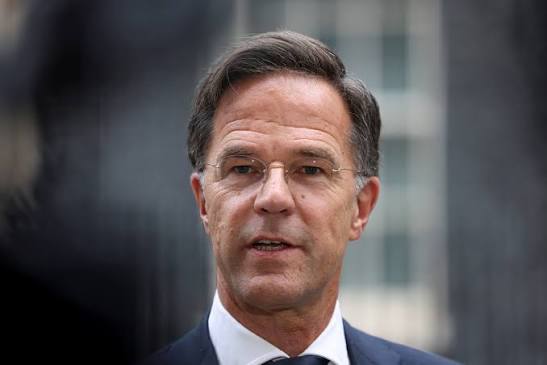
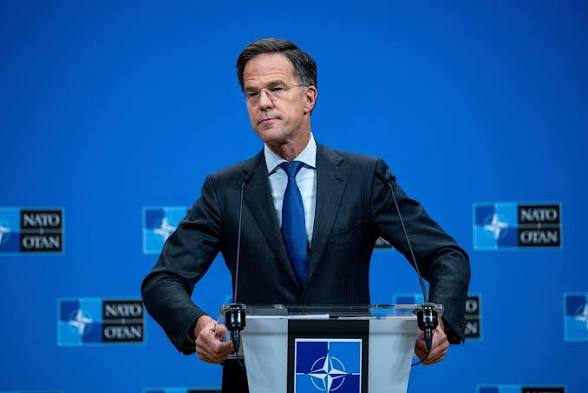
The global security landscape is undergoing a dramatic transformation, and at the center of it stands Mark Rutte, the Secretary General of NATO. As tensions rise across Europe and beyond, Rutte’s leadership is shaping a new era of defense strategy—one defined by urgency, autonomy, and preparation for long-term conflict risks.
From escalating warnings about Russia to Europe’s push for military independence, the NATO alliance is entering a critical phase. This shift is not just political—it is structural, financial, and strategic.
Rutte’s Warning: Russia as the Core Threat
Mark Rutte has repeatedly made one message clear: Russia remains the most serious threat to NATO and European security.
According to NATO briefings, Russia is not only continuing its war efforts but expanding its military production and testing Western defenses through cyberattacks and hybrid warfare.
Rutte emphasized that:
- Russia is preparing for long-term confrontation
- Military buildup is accelerating
- Hybrid threats (cyber, sabotage) are increasing
He further warned that the threat will not disappear even if the Ukraine war ends.
This stark assessment is shaping NATO’s policies and Europe’s defense priorities.
Europe’s Defense Shift: A New Strategic Reality
Europe is no longer assuming that the United States will always provide the backbone of its security.
Recent developments show:
- Growing uncertainty over US commitment to NATO
- Increasing calls for European strategic autonomy
- Accelerated defense investments across EU nations
Experts suggest that Europe’s move toward independence is not temporary—it is a permanent geopolitical shift.
This transformation is being driven by multiple factors:
1. US Policy Uncertainty
Statements and actions from Washington have raised doubts about long-term commitment to NATO, forcing Europe to rethink its reliance.
2. Expanding Global Conflicts
From Ukraine to the Middle East, NATO is dealing with multiple crises simultaneously.
3. Russian Aggression
European leaders increasingly see Russia as a direct and immediate threat, not a distant concern.
NATO’s Military Expansion Under Rutte
Under Rutte’s leadership, NATO is undergoing one of its most significant transformations since the Cold War.
1. Massive Defense Spending Increase
A landmark agreement commits NATO members to spend up to 5% of GDP on defense by 2035.
This marks a historic jump from the previous 2% benchmark and reflects the seriousness of current threats.
Impact:
- Hundreds of billions in new military funding
- Expansion of defense industries
- Faster weapons production
2. Eastern Flank Reinforcement
NATO has strengthened its eastern borders following incidents like Russian drone incursions near member states.
Military deployments now include:
- Fighter jets
- Air defense systems
- Rapid response units
These moves send a clear signal: NATO is ready to defend every inch of its territory.
3. Arctic Strategy Expansion
The Arctic has emerged as a new strategic battleground.
Through missions like Arctic Sentry, NATO is increasing its presence in the region to counter Russian and Chinese activity.
Why the Arctic Matters:
- New shipping routes
- Energy resources
- Strategic military positioning
This expansion shows NATO’s shift toward multi-domain defense.
Joint European Defense Initiatives
European countries are not just increasing spending—they are collaborating more closely than ever.
A recent initiative involving the UK, Finland, and the Netherlands aims to:
- Jointly finance weapons procurement
- Streamline military production
- Improve interoperability
This cooperation is expected to strengthen Europe’s defense capabilities significantly by 2027.
The Greenland Factor and NATO Tensions
One of the most surprising geopolitical flashpoints has been Greenland.
Tensions escalated after discussions involving NATO leadership and US ambitions regarding the Arctic territory.
This has led to:
- Increased European military presence in the Arctic
- Strong statements on sovereignty
- Renewed focus on Arctic defense
The situation highlights the complexity of NATO’s internal dynamics and the growing importance of Arctic geopolitics.
Europe’s Rearmament Drive
Across the continent, governments are ramping up defense spending and military readiness.
Key trends include:
- Rapid procurement of weapons systems
- Expansion of armed forces
- Investment in cyber and AI defense
Countries like Denmark and Belgium are significantly increasing defense budgets, signaling a broader continental shift.
Challenges Facing NATO and Rutte
Despite strong momentum, Rutte faces several critical challenges:
1. Unity Within NATO
Differences between the US and Europe could weaken alliance cohesion.
2. Funding Pressure
Reaching the 5% GDP target will be politically and economically difficult.
3. Public Support
European governments must justify increased military spending to their citizens.
4. Multi-Front Threats
NATO must balance threats from:
- Russia
- Middle East instability
- Cyber warfare
The Russia Factor: Long-Term Strategic Rivalry
Russia’s actions have fundamentally reshaped NATO’s strategy.
Key concerns include:
- Military modernization
- Nuclear signaling
- Hybrid warfare tactics
Rutte has made it clear that NATO must prepare not just for immediate threats, but for a decades-long strategic rivalry.
The Future of NATO Under Rutte
Looking ahead, several trends are likely to define NATO’s trajectory:
1. Greater European Autonomy
Europe will take on more responsibility for its own defense.
2. Stronger Military Integration
Joint operations and shared procurement will become standard.
3. Technological Warfare
AI, cyber defense, and space capabilities will play a bigger role.
4. Expanded Strategic Focus
NATO will operate across:
- Land
- Sea
- Air
- Cyber
- Space
Why This Moment Matters Globally
The transformation led by Mark Rutte is not just about Europe—it has global implications.
- It reshapes transatlantic relations
- Influences global military spending
- Impacts geopolitical stability
As NATO evolves, it will play a crucial role in shaping the global balance of power.
Conclusion
The “Mark Rutte surge” represents a turning point for NATO and Europe.
Faced with a resurgent Russia, uncertain US policies, and expanding global threats, Europe is stepping up like never before.
Rutte’s leadership is driving:
- Increased defense spending
- Strategic autonomy
- Military modernization
This shift signals a new era—one where Europe takes greater control of its security while NATO adapts to a rapidly changing world.
The stakes are high, and the outcome will define global security for years to come.
FAQs
1. Why is Mark Rutte important for NATO?
Mark Rutte, as NATO Secretary General, is leading strategic reforms to strengthen the alliance against rising threats, especially from Russia.
2. Why is Russia considered a major threat?
Russia’s military actions, cyberattacks, and long-term strategic ambitions pose a direct risk to NATO members and European stability.
3. What is Europe’s defense shift?
Europe is increasing military spending and reducing reliance on the US, aiming for greater strategic independence.
4. What is the 5% NATO spending goal?
NATO members have agreed to increase defense spending to 5% of GDP by 2035 to enhance military readiness.
5. What is NATO’s Arctic strategy?
NATO is expanding its presence in the Arctic to counter Russian and Chinese activities and secure strategic resources.
6. How does this affect global security?
A stronger NATO and more autonomous Europe could reshape global power dynamics and deter future conflicts.
How useful was this post?
Click on a star to rate it!
Average rating 0 / 5. Vote count: 0
No votes so far! Be the first to rate this post.
About the Author

usa5911.com
Administrator
Hi, I’m Gurdeep Singh, a professional content writer from India with over 3 years of experience in the field. I specialize in covering U.S. politics, delivering timely and engaging content tailored specifically for an American audience. Along with my dedicated team, we track and report on all the latest political trends, news, and in-depth analysis shaping the United States today. Our goal is to provide clear, factual, and compelling content that keeps readers informed and engaged with the ever-changing political landscape.