Les Wexner Epstein Web: $100M payoff, DOJ files, unredacted names, Ohio State links
In early 2026, new disclosures from Department of Justice (DOJ) releases and ongoing investigations have reignited scrutiny of the long-standing relationship between Leslie “Les” Wexner, the Ohio billionaire known for building the L Brands empire, and Jeffrey Epstein, the convicted sex offender whose expansive social and financial networks have implicated a wide array of public figures. The spotlight on Wexner — encompassing a reported $100 million settlement with Epstein, unredacted DOJ file revelations, and controversial connections to Ohio State University — has sparked fierce debate across legal, political, and public spheres.
These developments raise critical questions about influence, accountability, transparency, and institutional responsibility amid one of the most scandal-ridden chapters in recent American public life. At the heart of it lies the now-public Epstein files — millions of pages of DOJ investigative material released under federal law — which contain references to Wexner’s financial ties, correspondence, and once-redacted mentions about his connection to Epstein’s network.
Section 1: The $100 Million Payoff — What We Know
One of the most striking revelations tied to the Wexner-Epstein relationship emerged from newly reported records revealing that Jeffrey Epstein paid Leslie Wexner approximately $100 million in 2008. According to U.S. prosecutors, this payment followed Wexner’s claim that Epstein had misappropriated funds and assets while serving as Wexner’s money manager — a role that gave Epstein exceptional control over his client’s finances starting in the early 1990s.
Epstein’s responsibilities included overseeing Wexner’s wealth and making investment decisions; during this period, Epstein acquired property including a New York townhouse and private jet tied to Wexner’s accounts. Wexner’s legal team has stated that the settlement was private and structured to avoid public scrutiny, particularly after Wexner’s wife discovered the misconduct. Prosecutors also clarified that Wexner was not a target in their investigation and fully cooperated with authorities.
This settlement has become a focal point in narratives that depict a dynamic not merely of professional mismanagement but of potentially deeper entanglements, especially as federal documents now publicly associate Wexner with Epstein’s broader network and, in some instances, have named him as a co-conspirator in unredacted material.
Section 2: The Epstein Files — Unredacted Names and Implications
In late 2025 through early 2026, the DOJ, under the Epstein Files Transparency Act, began releasing millions of pages of previously sealed investigative files related to Epstein’s conduct, associates, and financial dealings. This law — passed with overwhelming bipartisan support in Congress and signed by President Donald Trump — mandates the public release of unclassified DOJ records pertaining to Epstein’s investigation.
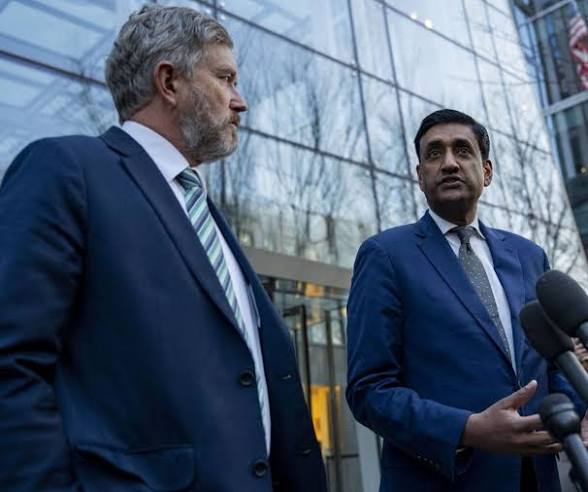
During this process, initial releases were criticized for extensive redactions that obscured names and details of individuals tied to Epstein’s orbit. Lawmakers like Reps. Thomas Massie (R-KY) and Ro Khanna (D-CA) raised concerns that true transparency was hampered by unnecessary blackouts of names, including potentially those with significant influence and public profiles.
In response to this pressure, the DOJ later removed some redactions, revealing 18 previously obscured names in materials related to Epstein’s network — including Les Wexner among co-conspirators in FBI documents dated August 15, 2019. Other individuals remained redacted, but this unredaction has drawn fresh political and legal scrutiny.
These releases underscore the persistent tension between protecting privacy — especially for victims — and fulfilling legal and congressional demands for full visibility into the extent of Epstein’s connections and potential enablers. Observers note that the unredacted files constitute some of the most consequential disclosures in the ongoing effort to map Epstein’s network and its influence.
Section 3: Congressional and Legal Scrutiny
With the unredacted files now partly public, lawmakers have amplified calls for accountability. Some have explicitly questioned DOJ procedures regarding redaction logic and potential shielding of high-profile individuals, including Wexner and others mentioned in the files. Rep. Jamie Raskin (D-MD) publicly described certain redactions as “mysterious” and highlighted the removal of Wexner’s name in some versions of the files, emphasizing the legislative branch’s need for full transparency.
While the DOJ maintains that privacy protections, particularly for victims, are a legal priority, congressional leaders from both parties insist that opaque redactions undermine public trust and the rule of law. The partial exposure of the files has led to renewed subpoenas, hearings, and potential legal actions aimed at compelling testimony and clarifying the scope of Wexner’s involvement.
Section 4: Ohio State University and Wexner Ties
The unfolding controversy extends beyond finance and federal investigations into academic and institutional spheres — most notably at The Ohio State University (OSU). Wexner, an OSU alumnus and long-time donor, has had his name associated with prominent campus institutions, including the Wexner Medical Center and the Wexner Center for the Arts through charitable contributions.
Public records show that Jeffrey Epstein donated anonymously to Ohio State, including a $2.5 million gift in 2007 through a foundation; at the time, Wexner was on OSU’s Board of Trustees. Epstein also made a smaller contribution to the Wexner Center for the Arts in 1990. These donations, while legal and not in themselves illegal, have sparked significant concern given Epstein’s later criminal convictions and the broader context of Wexner’s historical relationship with him.
Further complicating the institutional picture, survivor groups and advocates have raised protests at OSU board meetings, notably linking Wexner to other abuse cases on campus, such as the Richard Strauss scandal. Critics are pushing for further transparency and accountability from university leadership regarding historical ties and naming rights.
Section 5: Reputation, Accountability, and Broader Fallout
The confluence of these factors — a large financial settlement, Congressional interrogation, unredacted DOJ material, and institutional links — has transformed what was once a largely behind-the-scenes financial relationship into a major reputational crisis. The media, advocacy groups, and public commentators have raised questions about not just legal liability but ethical accountability. While Wexner has consistently denied wrongdoing and maintains he severed ties with Epstein years before Epstein’s 2019 criminal exposure, the disclosure of unredacted files and renewed attention continue to fuel debate.
Legal scholars argue that determining the full extent of Wexner’s liability will depend on deeper dives into the files, potential witness testimony, and how federal investigators interpret financial and communication records. At the same time, corporate governance experts note that even absent criminal findings, the reputational damage to Wexner’s legacy and associated institutions is significant and ongoing.
FAQs:
1. Who is Leslie Wexner and why is he connected to Jeffrey Epstein?
Leslie “Les” Wexner is a retail billionaire and founder of L Brands. He employed Jeffrey Epstein as his money manager for several years beginning in the 1990s and later severed ties after alleging financial misconduct.
2. What is the reported $100 million payoff from Epstein to Wexner?
According to prosecutors, in 2008 Epstein paid about $100 million to Wexner to settle disputes after Epstein was accused of misappropriating assets. The settlement was made private at the time.
3. What are the Epstein files, and how do they relate to Wexner?
The Epstein files are millions of pages of DOJ investigative records released under the Epstein Files Transparency Act. Some unredacted sections identify Wexner as linked to Epstein’s network.
4. Why has Ohio State University been mentioned in connection with these revelations?
Wexner’s significant donations and named facilities at Ohio State, along with Epstein’s historical contributions, have prompted calls for review and potential renaming amid public concern about associations with Epstein.
5. What legal scrutiny is Wexner facing now?
While Wexner is not formally charged criminally in connection with Epstein’s trafficking crimes, congressional interest, subpoenas, and public pressure aim to probe deeper into his past financial relationship with Epstein as revealed in unredacted documents.
About the Author