Laura Kuenssberg : BBC clash, political pressure, media firestorm
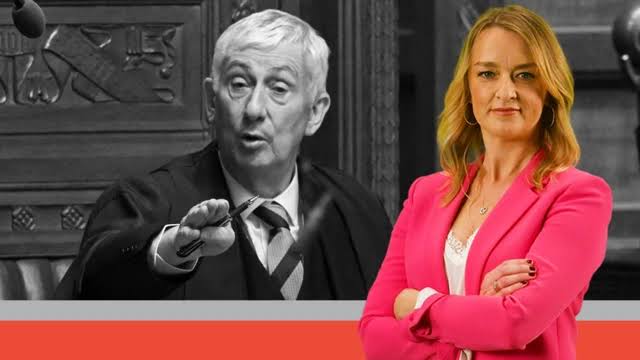
Laura Kuenssberg, role as a presenter during and after her tenure as BBC political editor (2015–2022). Today we will discuss about Laura Kuenssberg : BBC clash, political pressure, media firestorm
Laura Kuenssberg : BBC clash, political pressure, media firestorm
Laura Kuenssberg is one of the most prominent — and polarizing — figures in contemporary British journalism. As a senior BBC political journalist and host of flagship interview programmes, she has frequently found herself at the centre of intense political scrutiny, public debate, and media firestorms. From high-profile on-air gaffes to sustained campaigns accusing her of bias, Kuenssberg’s career reflects both the power and peril of political reporting in an era defined by deepening public distrust.
1. Rise to the Centre of British Political Journalism
Laura Kuenssberg first gained widespread recognition as a political correspondent before eventually becoming the BBC’s Political Editor — the corporation’s senior political journalist — in 2015. In this role she covered major political events including UK general elections, Brexit negotiations, and leadership changes. Her reporting style is characterised by probing interviews, sharp analysis, and extensive insider access.
But with visibility comes scrutiny, and Kuenssberg’s tenure has become emblematic of broader tensions surrounding media impartiality and political journalism in the UK.
2. ‘Embarrassing and Disappointing’: The Boris Johnson Interview Cancellation
One of Kuenssberg’s most recent controversies involved a cancelled BBC interview with former Prime Minister Boris Johnson. The episode became a focal point for critics and supporters alike, illustrating how even small procedural errors can amplify broader narratives about media credibility.
In October 2024, Kuenssberg was preparing to interview Johnson about his memoir publication when she accidentally sent her team’s briefing notes to him via internal communication. The BBC publicly called the mistake “embarrassing and disappointing,” and the broadcaster agreed with Johnson’s team to cancel the interview. Kuenssberg herself acknowledged that sending the briefing notes “meant it was not right for the interview to go ahead” and described the moment as a “red face” but emphasised honesty as her guiding ethos.
The cancelled interview became widely discussed on social media and news outlets, with some critics arguing it undermined the BBC’s editorial standards, while supporters saw it as a human error with limited significance in the broader context of political reporting.
3. Accusations of Bias: A Constant Public Battleground
Long before the 2024 interview controversy, Kuenssberg had become a lightning rod for allegations of bias from across the political spectrum — a phenomenon not uncommon for journalists covering polarized politics.
3.1 Social Media Backlash and Online Abuse
Almost immediately after she became BBC political editor, significant backlash emerged online. One of the earliest major flashpoints came in 2016 when a petition calling for her to be sacked over alleged bias drew tens of thousands of signatures before being taken down — partly because it became a hub for sexist abuse directed at her.
The intensity of online abuse was severe enough that fans and critics alike remarked publicly on social media harassment and sexist language being used against her. Former UK Prime Minister David Cameron himself condemned some of the vile online comments, describing them as “appalling” and “sexist” — though the broader debate about bias continued independently.
3.2 Perceptions of Partisan Reporting
Across the political spectrum, Kuenssberg has been accused of bias:
From the left, supporters of the Labour Party and critics of BBC coverage have claimed she was disproportionately critical of Labour leadership or soft on Conservative messaging, especially during the 2019 general election and Brexit debates. Instances of accusations include claims that her reporting “veered from expected impartiality” and focused heavily on Tory perspectives.
From the right, similar accusations have surfaced, such as claims she was dismissive of Conservative concerns or overly focused on internal Labour disputes. These competing claims reflect the broader scepticism many Britons have toward mainstream media.
While complaints of bias have regularly swirled around her reporting, independent fact-checkers have repeatedly debunked exaggerated or false narratives about specific incidents — including one in January 2026 where social media circulated a fake transcript alleging Kuenssberg ordered Nigel Farage’s microphone cut mid-interview, which the BBC clarified was fabricated.
4. Safety Concerns and the Politics of Protection
Another dimension of the media firestorm around Kuenssberg has been concerns for her personal safety arising from hostile public reactions.
In recent years, the BBC has reportedly assigned Kuenssberg bodyguards at major political events — including general election tours and party conferences — due to threats she received online and in person. Some reports suggest these measures were taken amid fears of targeted abuse from critics who felt aggrieved by her reporting.
These security concerns quickly became a topic of public debate:
Some commentators viewed the protective measures as a necessary response to a deteriorating online climate where journalists face real threats.
Others dismissed the move as feeding a narrative of victimhood, further intensifying debate about the role of journalists as impartial observers versus public figures open to critique.
International press watchdogs have condemned threats against Kuenssberg, describing them as part of a troubling trend of hostility toward journalists in the UK and calling for stronger protections for media freedom.
5. The Broader Debate: Journalism, Impartiality and Public Trust
Kuenssberg’s career highlights a broader challenge facing democratic societies: how journalists navigate impartiality in a deeply ideological climate. Her experiences reflect not just personal controversy, but structural tensions in media and politics.
5.1 BBC Impartiality Standards
The BBC has long been held up — both by supporters and critics — as a gold standard for public service broadcasting. Its editorial guidelines emphasise impartiality, meaning reporting must be balanced and free from undue political influence.
However, maintaining that impartiality is especially difficult:
News agendas are shaped by political actors and breaking events.
Public expectations of neutrality are influenced by partisan views.
Social media amplifies accusations of bias for dramatic effect.
Kuenssberg’s high-profile role at the BBC placed her squarely in the crosshairs of these dynamics. Even when independent regulators find no evidence of intentional bias, public perception continues to matter enormously — and it’s often shaped by partisan sentiment rather than objective assessment.
5.2 The Social Media Ecosystem
The internet has transformed how political journalism is consumed and critiqued. Platforms like X (formerly Twitter) and TikTok allow rapid spread of information — and misinformation. The circulation of fabricated transcripts or exaggerated claims about Kuenssberg’s interviews demonstrates how easily false narratives can gain traction, particularly when they align with existing biases.
Online abuse, which can be gendered and sexist, also intersects with broader societal issues. Kuenssberg has acknowledged the hostility she has faced — and how difficult it can be to reconcile public service journalism with personal attacks.
6. Legacy, Influence and Ongoing Challenges
Laura Kuenssberg’s legacy is likely to be debated for years to come. To her supporters, she represents a tenacious journalist who holds powerful figures to account, navigating one of the most vibrant and contested political landscapes in the world. To her detractors, she has become a symbol of media institutions that are perceived to fall short of absolute neutrality.
Several key themes encapsulate her influence:
Visibility and Polarization: As one of the most recognizable journalists in UK politics, Kuenssberg’s work inevitably attracts intense attention and analysis.
Impartiality Under Scrutiny: Her career demonstrates the challenge of adhering to impartiality in a divided political environment.
Media Accountability: The conversations sparked by her reporting — both positive and negative — reflect wider debates about how media should be held accountable without encouraging abusive conduct.
Public Trust: Her experiences emphasise that public trust in journalism is fragile and deeply affected by social media dynamics, partisanship, and institutional credibility.
Conclusion: At the Heart of a Media Storm
Laura Kuenssberg’s trajectory in British journalism vividly illustrates how political reporting intersects with public scrutiny, digital amplification, and cultural division. From high-profile mishaps like the cancelled Boris Johnson interview to years of accusations of bias and online hostility, her career encapsulates the challenges faced by journalists operating at the forefront of political discourse.
Ultimately, Kuenssberg’s story is not just about one individual. It is a window into a broader media ecosystem — one where the demands of impartial reporting collide with the pressures of partisan expectation, digital virality, and public distrust.
How useful was this post?
Click on a star to rate it!
Average rating 0 / 5. Vote count: 0
No votes so far! Be the first to rate this post.
About the Author

usa5911.com
Administrator
Hi, I’m Gurdeep Singh, a professional content writer from India with over 3 years of experience in the field. I specialize in covering U.S. politics, delivering timely and engaging content tailored specifically for an American audience. Along with my dedicated team, we track and report on all the latest political trends, news, and in-depth analysis shaping the United States today. Our goal is to provide clear, factual, and compelling content that keeps readers informed and engaged with the ever-changing political landscape.