Kevin Kiley : Congress Clash, Policy Criticism, US Politics
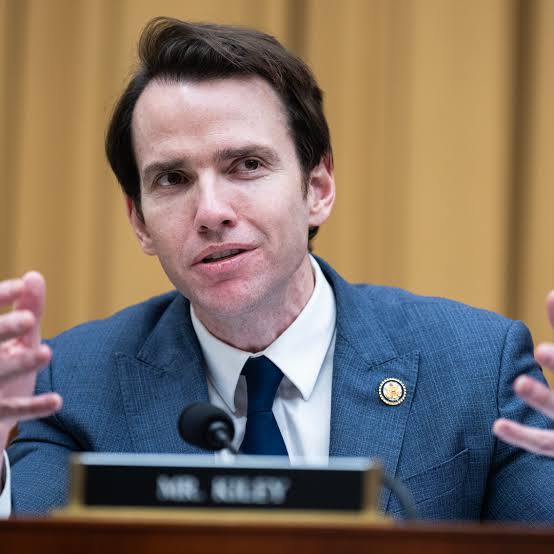
The American political landscape is often shaped by lawmakers who challenge party lines and speak out against political norms. One such figure gaining attention in Washington is Kevin Kiley. Known for his outspoken views, legislative activism, and frequent clashes within Congress, Kiley has become a significant voice in contemporary US politics.
In 2026, the California congressman made headlines after announcing he would leave the Republican Party and serve as an independent, a move that shocked many in Washington and intensified debates about party loyalty, redistricting, and ideological divisions within Congress.
This article explores Kevin Kiley’s political journey, the controversies surrounding his congressional clashes, his criticism of government policies, and how his actions could influence the future of US politics.
Who Is Kevin Kiley?
Kevin Kiley is a U.S. Representative from California who has built a reputation as a vocal critic of government policies and political leadership. Before entering Congress, Kiley served in the California State Assembly and gained prominence for his opposition to policies introduced by state leadership.
In Congress, he quickly established himself as a policy-focused lawmaker willing to challenge both parties when he believed legislation or leadership decisions were flawed.
Some key aspects of his political career include:
Representing California in the US House of Representatives
Advocating fiscal conservatism and government accountability
Opposing large infrastructure spending projects like California’s high-speed rail
Criticizing partisan gerrymandering and congressional leadership decisions
Kiley’s willingness to challenge political norms has made him both influential and controversial in Washington.
The Congress Clash That Sparked Political Debate
One of the defining moments of Kiley’s political career came during a series of clashes with congressional leadership.
Kiley openly criticized House leadership for procedural decisions that he believed weakened democratic debate. For example, he argued that delaying votes on controversial legislation prevented lawmakers from properly representing their constituents.
He also accused political leaders of manipulating congressional procedures, stating that such tactics could undermine democratic accountability.
These clashes positioned Kiley as a reform-oriented figure within Congress, but they also placed him at odds with his own party’s leadership.
Kevin Kiley Leaves the GOP
In March 2026, Kiley made a dramatic political move: he announced that he would leave the Republican Party and become an independent member of Congress.
The decision immediately reshaped political dynamics in Washington.
At the time of his announcement:
The Republican majority in the House was extremely narrow
His departure reduced the party’s margin of control
He became the only independent member of the House of Representatives
Despite leaving the GOP, Kiley stated that he would continue to cooperate with Republican lawmakers on certain legislative matters.
Political analysts say the move reflects growing frustration among some lawmakers with extreme partisanship in Congress.
Redistricting and the Political Battle
Another major factor behind Kiley’s decision was redistricting in California.
Political boundaries were redrawn in 2025, making Kiley’s district more favorable to Democrats. As a result, his political future became uncertain.
Rather than running strictly as a Republican, Kiley opted to run as an independent candidate, arguing that partisan gerrymandering damages democratic representation.
He described gerrymandering as a political tactic that prioritizes party advantage over fair representation.
By adopting an independent label, Kiley hopes to appeal to a broader range of voters, including moderates and independents.
Policy Criticism: Key Issues Kiley Has Challenged
Throughout his career, Kiley has criticized several policies at both the federal and state levels.
1. Government Spending
Kiley has frequently warned about excessive government spending.
He argues that large federal spending programs could increase national debt and burden future generations.
His stance aligns with traditional fiscal conservatism but has also led to conflicts with lawmakers from both parties.
2. High-Speed Rail Funding
One of Kiley’s most prominent policy positions involves opposition to California’s high-speed rail project.
He introduced legislation aimed at blocking federal funding for the project, arguing that the initiative has become too expensive and inefficient.
Supporters of the rail system say it will modernize transportation and reduce emissions, while critics like Kiley view it as a costly government failure.
3. Tax Policies
Kiley has also taken a strong stance against certain tax proposals.
In 2026 he introduced legislation to prevent states from retroactively taxing former residents, targeting aspects of California’s proposed wealth tax policies.
He argues such policies could drive businesses and wealthy individuals out of the state.
4. Trade and Tariffs
Kiley has demonstrated independence on trade policy as well.
He was among the few Republican lawmakers to oppose tariffs on Canada, arguing that economic decisions should be debated openly in Congress rather than pushed through without proper legislative scrutiny.
His vote against party leadership further strengthened his reputation as a lawmaker willing to challenge political expectations.
Clash With Party Leadership
Kiley’s disagreements were not limited to policy debates.
He also openly criticized congressional leadership, including decisions made by House Speaker Mike Johnson.
During a government funding standoff, Kiley argued that delaying congressional sessions and avoiding difficult votes was damaging to the democratic process.
Such criticism placed him in a unique position within the GOP: a member of the party who regularly challenged its internal leadership.
Impact on US Politics
Kiley’s decision to become an independent could have long-term implications for US politics.
Narrower Congressional Majorities
The House of Representatives has been operating with extremely narrow majorities, meaning that even a single member’s decision can influence legislation.
By leaving the GOP, Kiley reduced the Republican majority and created new uncertainty for party leadership.
Rise of Independent Politics
Kiley’s move also highlights a broader trend: growing voter frustration with partisan politics.
In recent years, independent voters have become the largest voting bloc in several US states, pushing some politicians to distance themselves from traditional party labels.
Increasing Political Polarization
Despite Kiley’s call for less partisanship, American politics remains deeply polarized.
Redistricting battles, ideological divisions, and partisan primary elections have intensified political conflicts across the country.
Experts warn that these trends could make bipartisan cooperation even more difficult in future Congress sessions.
Reactions From Washington
Kiley’s announcement generated mixed reactions across the political spectrum.
Republican Response
Some Republican lawmakers expressed disappointment, arguing that leaving the party could weaken the conservative agenda in Congress.
Democratic Response
Democrats responded cautiously, suggesting that while Kiley’s move signals dissatisfaction with the GOP, his policy positions remain largely conservative.
Political Analysts
Many analysts see the move as both strategic and ideological.
It may help Kiley appeal to moderate voters while also highlighting broader dissatisfaction with partisan politics.
Challenges Ahead for Kevin Kiley
Although becoming an independent offers political flexibility, it also brings challenges.
Electoral Risks
Independent candidates often struggle to compete with major parties in elections due to limited organizational support.
Party Backlash
Some Republican voters may view his decision as a betrayal, potentially weakening his base of support.
Democratic Competition
At the same time, Democratic candidates may target Kiley’s conservative record during campaigns.
The Future of Kevin Kiley in Congress
Despite these challenges, Kiley remains an influential figure in Washington.
His willingness to challenge both political parties could allow him to:
Position himself as a centrist reformer
Build bipartisan coalitions on specific policy issues
Appeal to voters frustrated with traditional party politics
Whether his independent strategy will succeed remains uncertain, but his actions have already reshaped debates in Congress.
Conclusion
Kevin Kiley has emerged as one of the most unconventional voices in modern US politics. From his clashes with congressional leadership to his criticism of major policy decisions, Kiley has consistently challenged political norms.
His decision to leave the Republican Party and serve as an independent highlights growing tensions within American politics and reflects broader dissatisfaction with partisan divisions.
As debates over policy, redistricting, and party loyalty continue to dominate Washington, Kiley’s role in Congress will likely remain a significant topic in US political discussions.
Whether he succeeds as an independent or faces political setbacks, one thing is certain: Kevin Kiley’s actions have added a new chapter to the evolving story of American democracy.
FAQs
Who is Kevin Kiley?
Kevin Kiley is a US Representative from California known for his policy criticism, congressional clashes, and decision to leave the Republican Party to become an independent lawmaker.
Why did Kevin Kiley leave the Republican Party?
Kiley cited concerns about partisanship, redistricting, and political polarization as key reasons for leaving the GOP and serving as an independent.
What policies has Kevin Kiley criticized?
He has criticized government spending, California’s high-speed rail project, certain tax proposals, and trade tariffs.
How did Kevin Kiley’s decision affect Congress?
His departure from the GOP reduced the Republican majority in the House and added uncertainty to congressional voting dynamics.
Is Kevin Kiley still aligned with Republicans?
Although he now serves as an independent, he has indicated that he may still cooperate with Republicans on certain legislative matters.
How useful was this post?
Click on a star to rate it!
Average rating 0 / 5. Vote count: 0
No votes so far! Be the first to rate this post.
About the Author

usa5911.com
Administrator
Hi, I’m Gurdeep Singh, a professional content writer from India with over 3 years of experience in the field. I specialize in covering U.S. politics, delivering timely and engaging content tailored specifically for an American audience. Along with my dedicated team, we track and report on all the latest political trends, news, and in-depth analysis shaping the United States today. Our goal is to provide clear, factual, and compelling content that keeps readers informed and engaged with the ever-changing political landscape.