Keir Starmer : £53M energy bailout, Iran war pressure, oil crisis politics
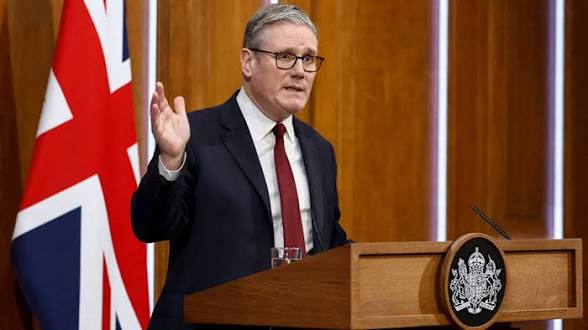
The global energy crisis triggered by escalating tensions in the Middle East has pushed governments across Europe into emergency action. In the United Kingdom, Prime Minister Keir Starmer has unveiled a £53 million emergency energy bailout designed to help vulnerable households cope with surging heating oil costs.
The announcement comes as the Iran war crisis and instability in the Strait of Hormuz disrupt global oil supplies and drive prices higher. Rising fuel costs are already feeding inflation and intensifying political debates about energy security and international diplomacy.
Starmer’s decision reflects a complex moment in global politics. The UK government must balance domestic economic pressures, geopolitical tensions, and long-term climate policy. As the oil crisis spreads, the £53M bailout represents the first major test of Starmer’s leadership during a global energy shock.
Why the UK Announced a £53M Energy Bailout
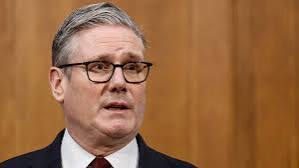
The UK government announced the £53 million support package to assist households that rely on heating oil, particularly in rural areas where alternative energy infrastructure is limited. The surge in oil prices has made heating significantly more expensive for many families.
The bailout will be distributed across the UK in targeted regional support:
£27 million for England
£17 million for Northern Ireland
£4.6 million for Scotland
£3.8 million for Wales
Officials say the program will prioritize low-income households and communities most exposed to heating oil price volatility.
Starmer also warned energy companies against exploiting the crisis. The government plans to strengthen market oversight and ensure suppliers pass any savings directly to consumers.
This bailout reflects a broader strategy: protect households now while accelerating the transition away from fossil fuels.
The Iran War and the Global Oil Shock
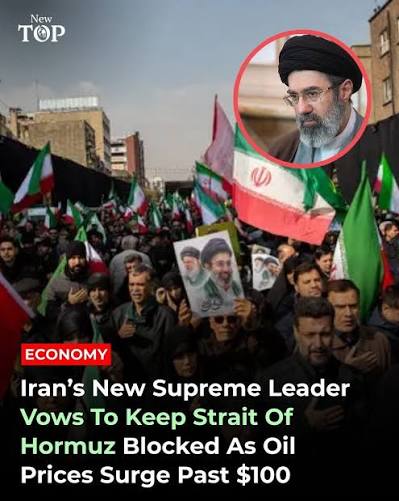
The immediate trigger for the UK’s emergency support package is the rapidly escalating conflict involving Iran and Western allies. The situation has disrupted global shipping routes and energy markets.
A key concern is the Strait of Hormuz, the narrow maritime corridor through which roughly 20% of the world’s oil supply passes. Any disruption to this route can quickly send energy prices skyrocketing.
Recent tensions have raised fears of:
Shipping blockades
Naval confrontations
Oil tanker attacks
Global supply shortages
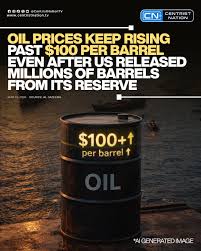
These risks have already caused oil prices to spike, pushing the cost of heating fuel higher in Europe and the UK.
Starmer emphasized that the war’s economic impact is a major reason for the emergency energy assistance.
Starmer’s Political Strategy: Avoiding War While Managing Crisis
A major theme of Starmer’s leadership during this crisis has been avoiding deeper military involvement.
The UK prime minister has repeatedly stated that Britain “will not be drawn into a wider war” in the Middle East, even while cooperating with allies on maritime security.
This approach reflects several strategic considerations:
1. Economic Stability
War participation could worsen oil market disruptions and intensify inflation.
2. Public Opinion
Many British voters remain wary of military involvement after past conflicts such as Iraq and Afghanistan.
3. Diplomatic Balance
Starmer must maintain strong relations with the United States while also managing European alliances and domestic political pressures.
The UK is reportedly discussing international cooperation to protect shipping routes, but any involvement would likely focus on defensive operations rather than combat.
Rural Communities Hit Hardest by Energy Costs
The UK energy crisis does not affect all households equally. Rural communities are particularly vulnerable.
Millions of homes outside urban gas networks rely on heating oil rather than natural gas. These households have fewer options when prices rise.
Key challenges include:
Limited access to renewable alternatives
Higher fuel transportation costs
Seasonal price spikes during winter
Northern Ireland is especially affected because a large portion of homes rely on oil heating. This is why the region receives a large share of the bailout funds.
Without intervention, many families would face severe financial pressure during the next heating season.
The Politics of the Oil Crisis
The energy bailout has already become a major political issue in the UK.
Opposition figures and critics have raised several concerns:
Insufficient Funding
Some regional leaders argue that £53 million may not be enough if oil prices remain high.
Energy Market Regulation
Politicians are demanding stricter oversight of fuel suppliers to prevent price manipulation.
Long-Term Energy Policy
Debates continue about whether the UK should accelerate investment in renewable energy.
Starmer’s government insists the bailout is just the first step and that additional measures may be introduced if the crisis persists.
The Push Toward Renewable Energy
Beyond the immediate bailout, the UK government is emphasizing a broader shift toward clean energy.
Starmer argues that reliance on fossil fuels leaves countries exposed to geopolitical shocks. Investing in renewable energy could reduce that vulnerability.
Key priorities include:
Expanding offshore wind power
Accelerating solar energy deployment
Improving home energy efficiency
Developing green hydrogen infrastructure
The government sees the current oil crisis as evidence that energy independence is essential for economic security.
This argument echoes broader European debates about how to reduce reliance on volatile global energy markets.
Global Implications of the Oil Crisis
The Iran conflict is not just a regional issue. It has significant global consequences.
Economists warn that prolonged disruption could trigger:
Higher inflation worldwide
Rising transport and manufacturing costs
Slower economic growth
Political instability in energy-dependent economies
For Europe in particular, energy shocks can quickly translate into cost-of-living crises.
This is why governments across the continent are monitoring oil markets closely and preparing emergency support packages.
What Happens If Oil Prices Keep Rising?
The current bailout assumes that the energy shock will eventually stabilize. However, if the war continues or expands, the situation could worsen.
Possible future measures include:
Expanded Subsidies
The UK could introduce larger energy support programs.
Temporary Price Caps
Government intervention could limit retail heating oil prices.
Tax Reductions
Temporary VAT cuts on heating fuel could ease household costs.
Strategic Oil Reserves
Countries may release reserves to stabilize markets.
Starmer has indicated that his government is ready to act again if the crisis deepens.
The Economic Stakes for Britain
The oil crisis comes at a sensitive moment for the UK economy.
Britain is already facing several economic challenges:
Persistent inflation
High energy costs
Sluggish economic growth
Public spending constraints
If energy prices remain elevated, these problems could intensify.
This is why the government is trying to balance short-term financial support with long-term energy transformation.
The International Diplomatic Pressure
Another challenge for Starmer is pressure from international allies.
The United States has urged NATO partners to help secure shipping routes and confront Iranian actions in the Gulf.
However, several countries—including Germany, Japan, and Australia—have been reluctant to expand military involvement.
Starmer’s stance reflects this cautious international consensus: prioritize diplomacy while avoiding escalation.
The Future of Energy Politics in the UK
The current crisis may reshape British energy policy for years.
Possible long-term consequences include:
Faster renewable energy investment
Greater regulation of energy markets
Increased focus on energy independence
New debates over defense and foreign policy
For Starmer, the crisis represents both a political challenge and an opportunity to redefine the UK’s energy strategy.
Conclusion
The £53 million energy bailout announced by Keir Starmer is a direct response to the economic shock caused by the Iran conflict and rising global oil prices.
While the emergency support will help vulnerable households manage heating costs, it also highlights deeper issues facing modern economies. Global energy markets remain highly sensitive to geopolitical conflict, and the UK is not immune to those shocks.
Starmer’s strategy combines short-term financial relief with long-term investment in renewable energy and energy security. Whether this approach succeeds will depend largely on how the Iran crisis evolves and whether global oil prices stabilize.
For now, the bailout marks the beginning of a new phase in the politics of energy, where international conflict, economic stability, and climate policy intersect.
FAQs
What is the £53M energy bailout announced by Keir Starmer?
The UK government announced a £53 million support package to help households affected by rising heating oil prices caused by the global oil crisis.
Why are energy prices rising in the UK?
Energy prices are rising due to global supply disruptions linked to the Iran conflict and instability in the Strait of Hormuz, a critical oil shipping route.
Who will receive the energy support payments?
The funds will primarily support low-income households and rural communities that rely on heating oil rather than natural gas.
Will the UK join the Iran war?
Prime Minister Keir Starmer has stated that the UK will not be drawn into a wider war, although it may cooperate with allies to secure shipping routes.
Could more energy support be introduced?
Yes. The UK government has indicated that additional measures could be introduced if energy prices remain high or the crisis worsens.
How useful was this post?
Click on a star to rate it!
Average rating 0 / 5. Vote count: 0
No votes so far! Be the first to rate this post.
About the Author

usa5911.com
Administrator
Hi, I’m Gurdeep Singh, a professional content writer from India with over 3 years of experience in the field. I specialize in covering U.S. politics, delivering timely and engaging content tailored specifically for an American audience. Along with my dedicated team, we track and report on all the latest political trends, news, and in-depth analysis shaping the United States today. Our goal is to provide clear, factual, and compelling content that keeps readers informed and engaged with the ever-changing political landscape.