Keir Starmer Crisis Address: Middle East Pressure, US-UK Security Tensions Rise
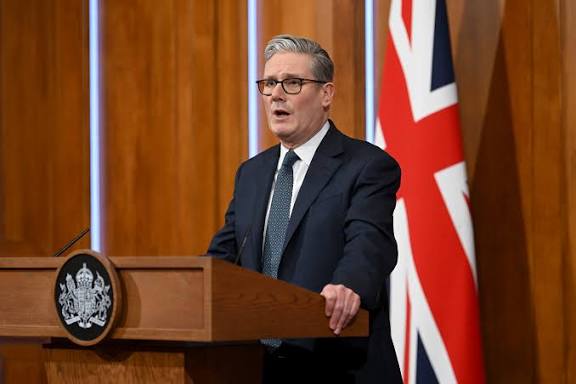
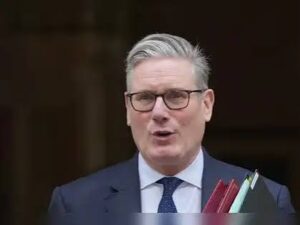
The geopolitical landscape has shifted dramatically as the United Kingdom navigates one of the most complex foreign-policy challenges in recent years. In a high-profile crisis address, Keir Starmer, Prime Minister of the United Kingdom, outlined Britain’s position amid escalating conflict in the Middle East and growing pressure from the United States over military cooperation.
The address comes after intense international developments following military strikes on Iran by the United States and Israel, which triggered regional retaliation and heightened global security concerns. Starmer’s remarks attempted to balance diplomatic caution with strategic alignment with allies—an approach that has sparked political debate at home and abroad.
As tensions rise and diplomatic relations face new strains, Starmer’s crisis speech could mark a defining moment for British foreign policy.
Background: A Middle East Conflict Reshaping Global Politics
The latest geopolitical crisis began after coordinated strikes by the United States and Israel targeted key Iranian sites. The attacks dramatically escalated tensions in the region, leading to retaliatory missile and drone launches across multiple countries in the Gulf.
The conflict has placed Western allies in a difficult position. While many governments recognize the security threat posed by Iran’s nuclear ambitions, the potential for a broader regional war has raised fears across Europe and beyond.
Global leaders have urged restraint and diplomacy, warning that unchecked escalation could destabilize global energy markets and international security systems.
For the United Kingdom, the stakes are especially high. British military personnel are stationed throughout the Middle East, and tens of thousands of British nationals live in the region.
Starmer’s Crisis Address: A Message of “Calm Leadership”
During his press conference, Starmer emphasized what he called “calm, level-headed leadership” in response to mounting international pressure.
He explained that Britain deliberately chose not to participate in the initial offensive strikes against Iran, arguing that a diplomatic solution remains the best path to stability.
Starmer stated that the decision was taken “in the national interest” and reiterated his belief that negotiations remain the most effective way to prevent further escalation.
At the same time, the Prime Minister stressed that the UK would take necessary defensive steps to protect its citizens and military personnel.
Key points from the crisis address included:
The UK will not join offensive military operations against Iran
British forces will participate in regional defensive operations
Britain will continue intelligence sharing with the United States
The government is prioritizing evacuation and protection of UK nationals
This balanced approach reflects Starmer’s broader strategy: maintaining alliances while avoiding deeper military entanglement.
US-UK Security Tensions: A Strain on the “Special Relationship”
The crisis has also exposed tensions between the United Kingdom and the United States.
Former US President Donald Trump publicly criticized Starmer’s hesitation to allow American forces to use British bases during the early stages of the conflict. According to reports, Trump accused the British leader of lacking decisive leadership during a critical moment.
The disagreement highlighted a rare moment of friction in what has long been known as the “special relationship” between the two nations.
Starmer responded firmly in his address, stating that the US-UK partnership remains strong despite disagreements over tactics.
He emphasized that both countries continue to cooperate on intelligence, defense strategy, and regional security operations.
UK Military Response: Defensive Deployment in the Middle East
Although the UK declined to participate in offensive strikes, Starmer announced several defensive military steps aimed at strengthening regional security.
These measures include:
Deployment of four Typhoon fighter jets to Qatar
Sending a Royal Navy warship to the Mediterranean
Dispatching Wildcat helicopters equipped with anti-drone systems
Expanding intelligence and surveillance cooperation
The additional Typhoon jets are intended to strengthen defensive capabilities against potential drone or missile attacks in the region.
The UK has also allowed US forces to conduct limited defensive missions from British bases, a compromise intended to maintain alliance commitments without fully joining offensive operations.
British Citizens in the Region: Evacuation Efforts Underway
Another major focus of Starmer’s crisis address was the safety of British citizens living in the Middle East.
Government estimates indicate that more than 140,000 British nationals are currently registered across countries in the region.
In response, the UK government has begun evacuation planning and consular support operations. Thousands of citizens have already been assisted in leaving high-risk areas.
The Prime Minister stated that protecting civilians remains the government’s top priority, noting that Britain must prepare for further escalation.
Domestic Political Pressure in the UK
Starmer’s cautious approach has not been universally praised within British politics.
Several opposition figures have criticized the government for what they see as a slow or hesitant response to regional threats.
Critics argue that the UK’s delayed military posture may weaken deterrence and undermine the country’s credibility among allies.
Meanwhile, supporters of Starmer’s policy say avoiding offensive involvement was the right decision, particularly given the risks of a wider regional war.
Public opinion appears to lean toward caution. Surveys show only a small percentage of British voters support direct military participation in the conflict.
Iran’s Retaliation and Regional Security Concerns
Iran’s response to the initial strikes has significantly escalated the crisis.
Missile and drone attacks have targeted multiple countries in the Gulf region, including several allied states where Western troops are stationed.
Security analysts warn that the situation could evolve into a broader regional conflict involving multiple global powers.
Possible consequences include:
Disruption of oil shipping routes
Escalating cyber warfare
Expanded proxy conflicts across the Middle East
Increased attacks on Western military bases
For the UK, which maintains bases in Cyprus and other strategic locations, the risks are particularly significant.
European Allies Struggle to Form a Unified Response
The Middle East crisis has also revealed divisions among European governments.
Some European Union members have quickly mobilized military support to protect regional allies, while others have urged diplomatic restraint.
This lack of unity has complicated efforts to coordinate a collective response to the conflict.
Starmer’s government has attempted to position the UK between these approaches—supporting allied defense while advocating de-escalation.
The Strategic Importance of the Middle East
The ongoing conflict highlights why the Middle East remains central to global geopolitics.
The region plays a crucial role in:
Global energy markets
Strategic shipping routes
Counterterrorism operations
International diplomacy
Any instability in the region has immediate consequences for global economic stability.
Recent conflicts have already triggered concerns about rising energy prices and supply disruptions.
Experts warn that prolonged tensions could have ripple effects across Europe and Asia.
The Future of UK Foreign Policy Under Starmer
Starmer’s crisis address also offered insight into how his government intends to shape Britain’s role on the world stage.
His foreign policy approach appears to emphasize:
Diplomacy before military intervention
Strategic cooperation with allies
Protection of British citizens abroad
Measured responses to global crises
The Prime Minister has repeatedly stressed the importance of international law and multilateral cooperation.
Analysts say this strategy reflects a broader shift in British foreign policy toward cautious engagement rather than aggressive intervention.
What Happens Next?
The coming weeks will be critical in determining whether the Middle East crisis escalates or moves toward diplomacy.
Key developments to watch include:
Further Iranian retaliation
Possible expansion of US military operations
European diplomatic initiatives
Security responses from Gulf states
For Starmer, the challenge will be maintaining strong alliances while avoiding deeper military involvement.
His crisis address signals that the UK intends to remain engaged—but carefully.
Conclusion
The Keir Starmer crisis address marks a pivotal moment for the United Kingdom’s role in global security.
Facing pressure from allies, criticism from political opponents, and a volatile geopolitical environment, the Prime Minister has chosen a strategy focused on caution, diplomacy, and defensive readiness.
By refusing to join offensive strikes while strengthening regional defenses, Starmer is attempting to balance the UK’s security obligations with the risks of broader war.
Whether this approach succeeds will depend largely on how the Middle East crisis unfolds in the coming months.
For now, Britain finds itself walking a diplomatic tightrope—supporting allies while striving to prevent another devastating regional conflict.
FAQs
What was the Keir Starmer crisis address about?
The address focused on the escalating Middle East conflict, the UK’s decision not to join offensive strikes on Iran, and steps to protect British citizens and military forces.
Why did the UK refuse to join the US strikes on Iran?
The British government said the decision was deliberate and aimed at encouraging a diplomatic solution rather than escalating military conflict.
Is the UK sending troops to the Middle East?
The UK is deploying defensive military assets, including Typhoon jets and naval forces, but has not committed to offensive operations.
Are US-UK relations under strain?
There have been tensions due to disagreements over military strategy, but both governments say the longstanding alliance remains strong.
How many British citizens are in the Middle East?
Government estimates suggest about 140,000 UK nationals are currently registered in the region.
Could the Middle East crisis lead to a wider war?
Security analysts warn that further retaliation or miscalculation could trigger broader regional conflict involving multiple global powers.
I
How useful was this post?
Click on a star to rate it!
Average rating 0 / 5. Vote count: 0
No votes so far! Be the first to rate this post.
About the Author

usa5911.com
Administrator
Hi, I’m Gurdeep Singh, a professional content writer from India with over 3 years of experience in the field. I specialize in covering U.S. politics, delivering timely and engaging content tailored specifically for an American audience. Along with my dedicated team, we track and report on all the latest political trends, news, and in-depth analysis shaping the United States today. Our goal is to provide clear, factual, and compelling content that keeps readers informed and engaged with the ever-changing political landscape.