Karl Turner Uproar : Labour MP blasts Starmer, threatens by-election over jury reform
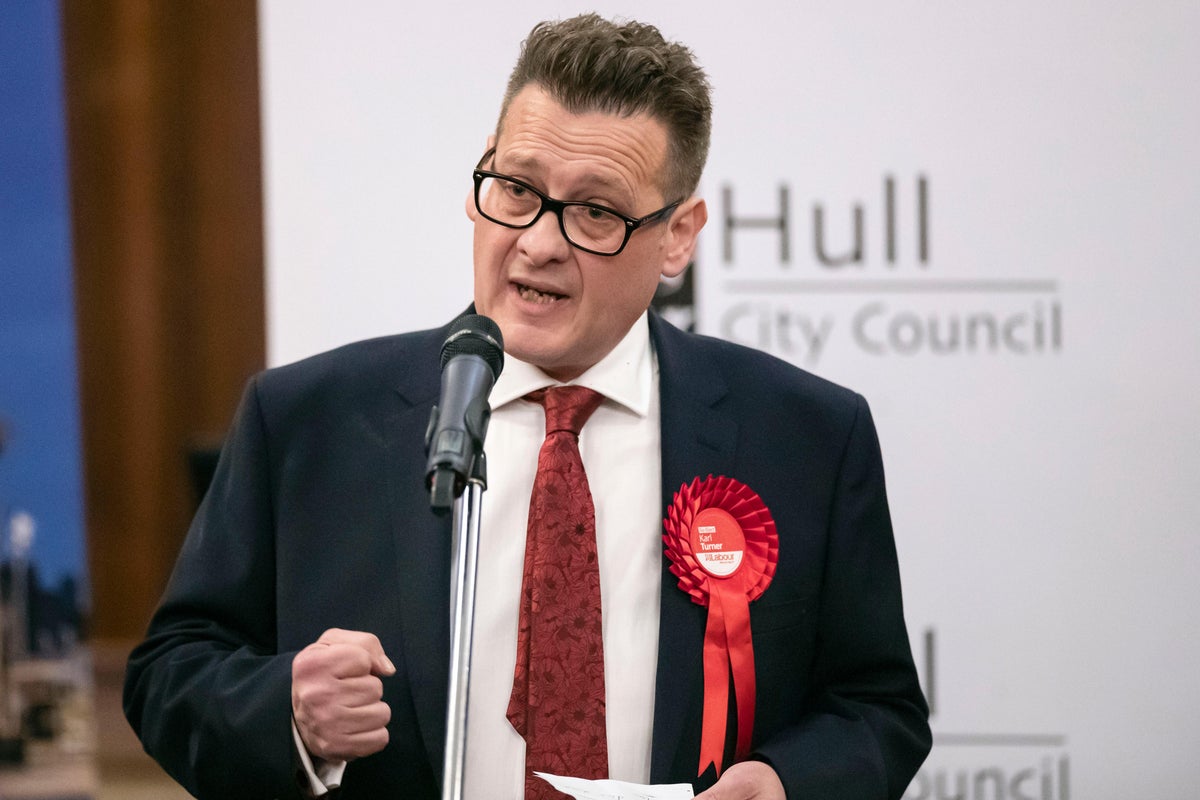
Karl Turner says he is prepared to quit the Commons to make a ‘point of principle’ about the Government’s proposals. Today we will discuss about Karl Turner Uproar : Labour MP blasts Starmer, threatens by-election over jury reform
Karl Turner Uproar : Labour MP blasts Starmer, threatens by-election over jury reform
British politics has been shaken by an extraordinary internal revolt as Labour MP Karl Turner publicly denounced Prime Minister Keir Starmer and the Labour leadership over controversial plans to reform the jury trial system. The clash has escalated into one of the most serious backbench rebellions since Labour entered government, with Turner threatening to resign his seat and force a by-election if the proposed legal changes move forward.
The dispute has exposed deep divisions inside the governing party, raised alarm among legal professionals, and sparked a nationwide debate about the future of one of the UK’s most historic democratic institutions: trial by jury. What began as a policy disagreement has now evolved into a full-scale political crisis, placing Labour’s unity, credibility, and commitment to civil liberties under intense scrutiny.
Who Is Karl Turner?

Karl Turner is not an ordinary backbencher. A trained barrister and former shadow attorney general, he has long been regarded as one of Labour’s most knowledgeable voices on criminal justice. Representing Kingston upon Hull East, Turner has built his political reputation around defending legal safeguards, access to justice, and the rights of ordinary defendants.
His legal background gives weight to his warnings. When a senior lawyer within the governing party claims that a reform threatens the foundations of British justice, the statement carries significance far beyond routine political dissent.
The Controversial Jury Reform Plan
At the heart of the row are government proposals to restrict jury trials for a wide range of criminal offences. Under the plan:
Many cases carrying sentences of up to three years could be removed from Crown Courts.
Defendants would be tried by magistrates or judges alone rather than by a jury of citizens.
The aim is to reduce case backlogs and speed up justice.
Ministers argue that the criminal courts are overwhelmed and that radical reform is needed to prevent victims and defendants from waiting years for trials. The backlog of cases has reached historic levels, placing enormous strain on judges, lawyers, and court staff.
However, critics fear that efficiency is being prioritised over fairness.
Turner’s Personal Motivation
Turner has explained that his opposition is not theoretical. Early in his life, he was once wrongly accused in a criminal case that was later dropped. That experience, he says, taught him how vulnerable ordinary people can be when confronted by the power of the state.
For Turner, jury trials are not merely a procedural option; they are a democratic safeguard. They place ordinary citizens between the accused and the full force of government authority. Removing that layer, he argues, risks concentrating too much power in the hands of professional judges and prosecutors.
A Direct Attack on Starmer
Turner’s criticism of Keir Starmer has been unusually blunt. He has accused the Prime Minister of abandoning Labour’s historic commitment to civil liberties and called the reform proposals a betrayal of legal principles Starmer once defended as a human rights lawyer.
Describing himself as “ashamed” of the leadership, Turner warned that the party was drifting toward an authoritarian approach to criminal justice under the banner of efficiency. His language marked one of the harshest public rebukes of a Labour prime minister by a sitting Labour MP in decades.
Threat of a By-Election
The situation escalated dramatically when Turner revealed he was prepared to resign his seat and trigger a by-election if the government proceeds with the reforms.
Such an act would be rare and politically explosive. A resignation on principle would:
Put Labour’s majority at risk in a marginal seat.
Provide a platform for opposition parties to campaign against the government’s justice agenda.
Symbolise a moral protest reminiscent of historic parliamentary resignations over civil liberties.
In today’s volatile political climate, even one lost seat could weaken Labour’s authority and embolden critics.
Growing Labour Rebellion
Turner is not alone. Dozens of Labour MPs are reportedly uneasy about the reforms. Many believe:
The policy was not clearly outlined in the party’s election manifesto.
There was insufficient consultation with MPs and legal experts.
The changes could disproportionately affect working-class defendants.
This brewing rebellion highlights a broader tension inside Labour between technocratic governance and traditional rights-based politics.
Legal Community Alarm
Outside Parliament, senior lawyers, judges, and legal organisations have voiced serious concerns. They argue that jury trials:
Protect against unconscious judicial bias.
Reflect community standards of justice.
Reinforce public confidence in the legal system.
Removing juries from thousands of cases could fundamentally alter the relationship between citizens and the courts. Critics warn that once such rights are diluted, restoring them becomes politically difficult.
Government’s Defence
The government insists that no fundamental rights are being removed, only reallocated. Ministers claim:
Serious crimes will still be heard by juries.
Speedier trials will benefit victims and defendants alike.
Judicial professionalism ensures fair outcomes.
They frame the reforms as pragmatic modernisation rather than ideological change.
Yet for opponents, the symbolism is powerful: a Labour government curtailing a centuries-old democratic institution in the name of efficiency.
Political Consequences
The Karl Turner uproar could have lasting implications:
Party Unity – The episode tests Starmer’s authority over his own MPs.
Civil Liberties Image – Labour risks alienating voters who view it as the historic defender of legal rights.
Electoral Risk – A by-election defeat would embolden rivals and damage momentum.
Policy Precedent – If jury rights can be reduced, other legal safeguards may follow.
Conclusion
The clash between Karl Turner and the Labour leadership represents more than an internal disagreement. It is a defining moment in the debate over how Britain balances efficiency with justice, speed with fairness, and reform with tradition.
By threatening a by-election, Turner has transformed a policy dispute into a constitutional and moral confrontation. Whether his stand will force the government to rethink its plans remains uncertain. What is clear, however, is that the uproar has reignited a national conversation about the meaning of justice, the role of citizens in the courtroom, and the limits of political power.
How useful was this post?
Click on a star to rate it!
Average rating 0 / 5. Vote count: 0
No votes so far! Be the first to rate this post.
About the Author

usa5911.com
Administrator
Hi, I’m Gurdeep Singh, a professional content writer from India with over 3 years of experience in the field. I specialize in covering U.S. politics, delivering timely and engaging content tailored specifically for an American audience. Along with my dedicated team, we track and report on all the latest political trends, news, and in-depth analysis shaping the United States today. Our goal is to provide clear, factual, and compelling content that keeps readers informed and engaged with the ever-changing political landscape.