Kansas Ruling : KHP “Two‑Step” Stops Unconstitutional, Motorist Rights Win
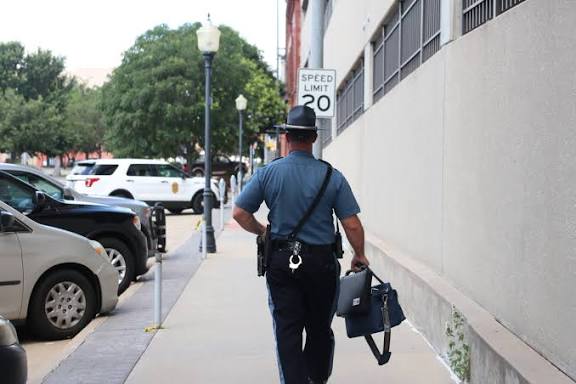
The ruling criticized KHP’s use of Kansas’ two-step approach to increase traffic stops and target out-of-state drivers. Today we will discuss about Kansas Ruling : KHP “Two‑Step” Stops Unconstitutional, Motorist Rights Win
Kansas Ruling : KHP “Two‑Step” Stops Unconstitutional, Motorist Rights Win
In a landmark decision for civil liberties and Fourth Amendment protections, a federal appellate court has ruled that the Kansas Highway Patrol’s controversial “Kansas Two‑Step” traffic stop tactic violates motorists’ constitutional rights. What began as a legal challenge in 2020 has culminated in a significant victory for motorists, civil rights advocates, and constitutional law experts nationwide. This decision underscores fundamental limits on police authority during routine traffic stops while reinforcing that constitutional protections apply to all motorists, regardless of their state of origin.
What Is the “Kansas Two‑Step”?

The Kansas Two‑Step refers to a technique used by the Kansas Highway Patrol (KHP) during routine traffic stops. Under this maneuver:
A trooper stops a vehicle — often for a minor traffic violation — and completes the initial interaction, including issuing a ticket or warning.
After signaling the end of that first stop, the trooper steps away from the vehicle.
The trooper then returns to the driver’s window and initiates additional questions, which the officer claims are voluntary.
The tactic is designed to transform a concluded traffic stop into a “consensual encounter,” giving officers more time to ask questions, gather information, or call in a canine unit to conduct a drug sniff — all without the legal standard of reasonable suspicion required to justify an extended detention.
This practice has drawn intense criticism because most drivers do not know they are legally free to leave and therefore believe the interaction remains an extension of the stop — a perception the courts ultimately agreed was reasonable.
Legal Background: The Fourth Amendment and Traffic Stops
Under the U.S. Constitution’s Fourth Amendment, police may stop a vehicle only when they have reasonable suspicion of criminal activity. Once the purpose for a stop is completed — for example, issuing a ticket for speeding — the stop must end unless the officer develops new, independent reasonable suspicion to justify continued detention.
In Rodriguez v. United States (2015), the U.S. Supreme Court reaffirmed that prolonging a traffic stop beyond the time necessary to handle the matter for which the stop was made, such as conducting a dog sniff, violated the Fourth Amendment. This principle would later be central in challenges to the Kansas Two‑Step.
The Shaw v. Jones Lawsuit: Road to Victory
The lawsuit Shaw v. Jones was filed in January 2020 by civil liberties organizations on behalf of motorists who alleged that KHP used the Two‑Step to disproportionately target drivers with out-of-state license plates — especially those headed to or from states where marijuana had been legalized — and then detain them without reasonable suspicion.
Key Allegations
KHP routinely stopped and detained motorists based solely on travel plans or state of residency.
Officers used the Two‑Step to extend traffic stops without legal justification.
Training materials actively encouraged using the Two‑Step to create more time for questioning and canine unit arrivals.
The plaintiffs argued that this practice was unconstitutional and violated the Fourth Amendment’s protection against unreasonable searches and seizures.
Court Findings and Rulings
Federal District Court (2023)
In July 2023, a U.S. District Judge issued a landmark decision declaring that the Kansas Two‑Step was unconstitutional because:
The technique extended traffic stops without lawful justification.
A reasonable person in the driver’s position would not feel free to leave after the initial stop.
The court sharply criticized KHP, stating that the patrol had effectively “waged war” on out-of-state motorists using this tactic — detaining drivers long enough to conduct searches under a fishing expedition rationale.
The court found that KHP:
Targeted motorists based on innocuous factors like travel origin.
Used the Two‑Step to delay motorists until a canine unit could arrive.
Failed to tell drivers they were free to go, creating the impression of extended detention.
The ruling ordered KHP to cease using the Two‑Step and adopt practices that comply with constitutional standards.
U.S. Court of Appeals (2026)
On January 29, 2026, the U.S. Court of Appeals for the Tenth Circuit affirmed the district court’s decision, holding that the Kansas Highway Patrol’s practices violated motorists’ constitutional rights and must stop.
The appeals court decision upheld the lower court’s findings and highlighted that motorists are entitled to the constitutional protections of the Fourth Amendment, including when stopped by highway patrol officers on state interstates.
Broader Legal and Social Impact
Equal Protection and Disparate Impact
Data introduced during litigation showed that out-of-state drivers were disproportionately stopped:
Out-of-state motorists made up a significant majority of stops in earlier cases.
They were more likely to be subjected to canine searches and extended questioning.
These statistics bolstered claims that the Two-Step was not an isolated tactic but a systemic practice that disproportionately burdened travelers from states where marijuana is legal.
Attorney Fees and Costs Awarded
In April 2024, a U.S. district court ordered KHP to pay over $2.3 million in attorney fees and court costs to the plaintiffs, marking a significant financial consequence for the agency’s unconstitutional practices.
Police Training and Future Enforcement
One of the systemic problems identified was that KHP training materials taught troopers to use the Two-Step as a legitimate method to create additional questioning opportunities.
Part of the court’s injunction requires KHP to:
Document investigatory stops and detentions meticulously.
Record when consent is obtained from motorists for additional questioning.
Some law enforcement officials initially resisted the ban, arguing that the tactic could be defensible if used properly. Nonetheless, the rulings make clear that training must change to reflect constitutional requirements.
What Drivers Should Know
Know Your Rights
Motorists need to understand that:
Once a traffic stop’s purpose is completed, police must let you go unless they have developed reasonable suspicion of criminal activity.
You do not have to consent to answer additional questions beyond the initial stop.
Officers must clearly inform you of your rights and that you are free to leave before initiating further questioning.
Consent Is Not Automatic
Even if a trooper asks you to remain and speak after the stop, your silence or responses do not imply consent for searches or extended detention.
Legal Action Matters
The victory in Shaw v. Jones demonstrates that challenging unconstitutional practices through the courts can result in substantial changes in policing and protect motorists’ fundamental rights.
Conclusion
The federal appellate ruling that the Kansas Highway Patrol’s Two-Step traffic stop practice is unconstitutional represents a significant affirmation of civil liberties and constitutional protections. This legal victory strengthens the Fourth Amendment rights of every motorist traveling through Kansas — and potentially across the United States. The decision reaffirms that policing must operate within the bounds of the Constitution, and that tactics designed to circumvent reasonable suspicion standards will not withstand judicial scrutiny.
How useful was this post?
Click on a star to rate it!
Average rating 0 / 5. Vote count: 0
No votes so far! Be the first to rate this post.
About the Author

usa5911.com
Administrator
Hi, I’m Gurdeep Singh, a professional content writer from India with over 3 years of experience in the field. I specialize in covering U.S. politics, delivering timely and engaging content tailored specifically for an American audience. Along with my dedicated team, we track and report on all the latest political trends, news, and in-depth analysis shaping the United States today. Our goal is to provide clear, factual, and compelling content that keeps readers informed and engaged with the ever-changing political landscape.