Kamal Kharazi Warning: Iran Policy, Nuclear Talks, War Tension Surge
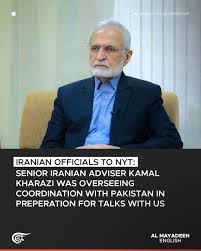
The geopolitical landscape of the Middle East has entered one of its most volatile phases in decades. At the center of this crisis stands Kamal Kharazi, a veteran Iranian diplomat whose recent warnings have drawn global attention. As nuclear negotiations falter and military tensions escalate, Kharazi’s stance reflects a broader shift in Iran’s policy direction—one that could reshape international relations and global security.
Recent developments, including reported attacks on senior Iranian officials and intensified military exchanges, have further complicated already fragile diplomatic efforts.
This article explores the implications of Kharazi’s warning, the status of Iran’s nuclear talks, and the growing risk of a wider regional conflict.
Who Is Kamal Kharazi?
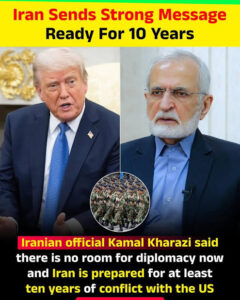
Kamal Kharazi is a key figure in Iran’s foreign policy establishment. A former foreign minister and adviser to the Supreme Leader, he has long been involved in shaping Iran’s diplomatic and nuclear strategies.
Kharazi is also closely tied to Iran’s strategic decision-making circles, particularly regarding nuclear negotiations and regional security policies. His statements often signal internal policy shifts rather than mere rhetoric.
Notably, Kharazi has previously stated that Iran possesses the technical capability to build nuclear weapons, though it has refrained from doing so due to strategic and ideological constraints.
Kharazi’s Warning: What Did He Say?
Kharazi’s recent warning underscores a hardening stance within Iran’s leadership. His message can be summarized in three key points:
1. Preparedness for Prolonged Conflict
Iran has signaled readiness for a long-term confrontation if diplomacy fails. This aligns with broader messaging from Iranian officials emphasizing resilience and deterrence.
2. Conditional Nuclear Policy Shift
Kharazi hinted that Iran’s nuclear restraint could change if its national security is threatened, suggesting a potential move toward weaponization under extreme conditions.
3. Limited Faith in Diplomacy
Statements attributed to Kharazi suggest that diplomatic channels are narrowing, especially amid ongoing military actions and sanctions pressure.
The State of Iran Nuclear Talks
Background of Negotiations
Iran and the United States resumed indirect nuclear talks in early 2026, mediated by Oman. These discussions aimed to revive or reshape agreements limiting Iran’s nuclear activities.
- Talks were held in Muscat and Geneva
- Mediators attempted to bridge major policy gaps
- Both sides expressed cautious optimism initially
Key Points of Disagreement
Despite early progress, negotiations quickly stalled due to fundamental disagreements:
- Uranium Enrichment:
The U.S. demands zero enrichment, while Iran insists it is a sovereign right. - Sanctions Relief:
Iran seeks immediate economic relief; the U.S. wants phased compliance. - Missile Program:
A major sticking point beyond nuclear issues. - Regional Influence:
Iran refuses to negotiate on its alliances and proxy networks.
These differences have kept both sides far apart, increasing the likelihood of confrontation.
Collapse of Diplomacy: What Went Wrong?
Diplomatic momentum collapsed due to several overlapping factors:
1. Military Escalation
Airstrikes and retaliatory attacks have disrupted negotiation channels. Reports indicate that attacks even targeted key diplomatic figures, potentially undermining backchannel talks.
2. Political Pressure
Hardliners in both Iran and the U.S. have pushed for tougher positions, reducing flexibility in negotiations.
3. Mistrust and Miscommunication
Officials on both sides have accused each other of misrepresenting proposals and intentions, further eroding trust.
War Tension Surge: A Region on Edge
Escalating Military Conflict
The Middle East is witnessing a sharp rise in military activity:
- Airstrikes targeting Iranian infrastructure
- Missile and drone attacks across the Gulf
- Naval tensions in strategic waterways
These developments have raised fears of a full-scale regional war.
Strait of Hormuz Crisis
One of the most critical flashpoints is the Strait of Hormuz, a vital global oil route. Iran’s actions to restrict or control the strait have triggered strong responses from Western powers.
Global Impact
The conflict’s ripple effects are already visible:
- Rising global oil prices
- Supply chain disruptions
- Increased military deployments worldwide
Internal Pressure Within Iran
Iran’s domestic political landscape is also shifting:
Rise of Hardliners
Calls for developing nuclear weapons are gaining traction among influential factions.
Leadership Changes
Recent leadership transitions have altered decision-making dynamics, with more assertive policies emerging.
Public Sentiment
Economic hardship and external pressure have fueled nationalist sentiment, strengthening support for a tougher stance against foreign powers.
U.S. and Western Response
The United States and its allies have adopted a mix of diplomatic and military strategies:
Military Build-Up
- Deployment of aircraft carriers
- Increased troop presence in the region
- Expanded defense alliances
Diplomatic Pressure
- Sanctions targeting Iran’s economy
- International efforts to isolate Iran
- Attempts to revive negotiations
Strategic Messaging
U.S. leadership has warned of significant military action if talks fail, further escalating tensions.
The Risk of Nuclear Escalation
One of the most alarming aspects of the crisis is the potential for nuclear escalation.
Iran’s Capabilities
Iran has accumulated significant enriched uranium stockpiles and advanced nuclear technology, giving it threshold nuclear capability.
Policy Shift Possibility
Kharazi’s warning suggests that Iran’s long-standing policy against nuclear weapons could be reconsidered under existential threats.
Global Implications
A nuclear-armed Iran would:
- Trigger a regional arms race
- Increase global security risks
- Undermine international non-proliferation efforts
Economic and Energy Consequences
The crisis is already impacting the global economy:
Oil Market Volatility
- Prices have surged due to supply fears
- Shipping routes face disruptions
- Energy-dependent economies are under pressure
Trade Disruptions
- Increased shipping costs
- Delays in global supply chains
- Economic uncertainty across markets
Possible Future Scenarios
1. Diplomatic Breakthrough
Though unlikely in the short term, renewed negotiations could stabilize the situation.
2. Prolonged Conflict
A drawn-out conflict involving proxy forces and limited direct engagement.
3. Full-Scale War
The worst-case scenario involving multiple countries and widespread destruction.
4. Nuclear Escalation
A dramatic shift if Iran decides to pursue nuclear weapons.
Conclusion
Kamal Kharazi’s warning is more than a political statement—it is a reflection of a critical turning point in global geopolitics. As nuclear talks stall and military tensions rise, the risk of conflict continues to grow.
The coming months will be decisive. Whether through diplomacy or confrontation, the outcome will shape not only the Middle East but the global order for years to come.
FAQs
1. Who is Kamal Kharazi?
Kamal Kharazi is a senior Iranian diplomat, former foreign minister, and adviser involved in shaping Iran’s foreign and nuclear policies.
2. What is Kharazi’s warning about?
He warned that Iran is prepared for prolonged conflict and may reconsider its nuclear stance if its security is threatened.
3. Why are Iran nuclear talks failing?
Key disagreements over uranium enrichment, sanctions relief, and regional policies have stalled negotiations.
4. Is there a risk of war between the U.S. and Iran?
Yes, escalating military actions and failed diplomacy have significantly increased the risk of conflict.
5. Could Iran develop nuclear weapons?
Iran has the technical capability, and policy changes could occur if threats intensify.
6. What is the Strait of Hormuz crisis?
It involves tensions over a key oil shipping route, affecting global energy supplies.
7. How does this affect the global economy?
Rising oil prices, trade disruptions, and economic uncertainty are major impacts.
How useful was this post?
Click on a star to rate it!
Average rating 0 / 5. Vote count: 0
No votes so far! Be the first to rate this post.
About the Author

usa5911.com
Administrator
Hi, I’m Gurdeep Singh, a professional content writer from India with over 3 years of experience in the field. I specialize in covering U.S. politics, delivering timely and engaging content tailored specifically for an American audience. Along with my dedicated team, we track and report on all the latest political trends, news, and in-depth analysis shaping the United States today. Our goal is to provide clear, factual, and compelling content that keeps readers informed and engaged with the ever-changing political landscape.