Jones Act Debate : Oil Crisis, Shipping Waiver Push, US Policy Storm
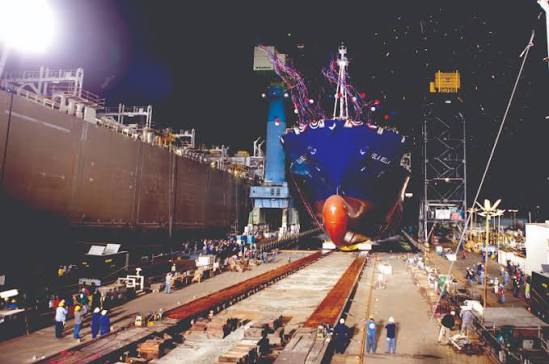
The Jones Act debate has returned to the center of American political and economic discussions as rising oil prices and geopolitical tensions threaten global energy stability. With the possibility of a domestic fuel shortage and increasing gasoline costs, policymakers in Washington are considering a temporary waiver of the Jones Act to ease shipping restrictions and stabilize the energy market.
The debate has intensified amid the latest global oil disruption tied to the conflict involving Iran and its impact on shipping routes in the Middle East. The potential closure of the Strait of Hormuz, a critical corridor for global oil supply, has sent shockwaves through energy markets and prompted urgent discussions about domestic energy logistics.
At the heart of the controversy lies a century-old maritime law designed to protect American shipping and shipbuilding industries. Critics say it raises costs and worsens supply shortages, while supporters argue it is vital for national security and economic resilience.
This article explores the origins of the law, the current crisis fueling the debate, the push for a shipping waiver, and the broader implications for U.S. policy and the global energy market.
What Is the Jones Act?
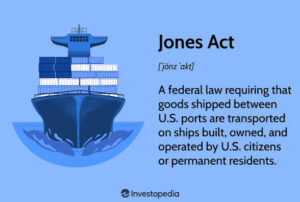
The Jones Act, formally known as the Merchant Marine Act of 1920, regulates maritime commerce in the United States. The law requires that any cargo transported between U.S. ports must be carried on ships that are:
Built in the United States
Owned by U.S. citizens
Registered under the U.S. flag
Crewed primarily by U.S. citizens or residents
This rule effectively restricts domestic shipping to American vessels, preventing foreign ships from carrying goods between U.S. ports.
The law was created after World War I to strengthen the American merchant marine industry and ensure the U.S. had a reliable fleet for military and commercial purposes.
Supporters argue it protects:
U.S. maritime jobs
Domestic shipbuilding
National security and military logistics
However, critics claim it limits competition and increases transportation costs, especially in energy and fuel distribution.
Why the Jones Act Is Back in the Spotlight
The current surge in debate is tied directly to volatile oil prices and global supply disruptions.
A major driver of the crisis is geopolitical conflict affecting the Middle East. Shipping disruptions through the Strait of Hormuz—a route that carries a large portion of the world’s oil—have caused energy prices to spike. Brent crude briefly surged to around $119 per barrel, the highest level since the aftermath of the Ukraine war.
As global supply tightens, the United States faces logistical challenges in distributing domestic oil supplies between regions.
For example:
The Gulf Coast produces large amounts of crude oil and refined fuel.
The East Coast and Northeast rely heavily on imports due to shipping constraints.
Because of the Jones Act, it is often cheaper to import fuel from overseas than ship it from one U.S. port to another.
This situation has renewed calls to loosen the law temporarily.
The Push for a Jones Act Waiver
In response to rising fuel prices, policymakers have floated the idea of temporarily waiving the Jones Act.
A waiver would allow foreign-flagged ships to transport oil and fuel between U.S. ports, increasing shipping capacity and potentially lowering transportation costs.
Such waivers are rare but not unprecedented.
Historically, they have been issued during:
Major hurricanes
Fuel shortages
National emergencies
For example, temporary waivers were granted after Hurricane Harvey and Hurricane Maria to ensure fuel could reach affected regions quickly.
Today, policymakers argue that a similar move could help stabilize fuel supplies and reduce gasoline prices.
Oil Market Turmoil and Energy Security
The broader context of the debate is a rapidly evolving energy crisis.
According to market analysts, the ongoing conflict in the Middle East has created one of the largest oil supply disruptions in history. Millions of barrels per day may be offline due to shipping risks and geopolitical tensions.
This disruption affects:
Global oil prices
Shipping insurance costs
Supply chain logistics
For the United States, the concern is not only global supply but internal distribution.
Even when the U.S. produces enough oil, moving it efficiently across the country becomes difficult under current shipping restrictions.
That is why policymakers are considering multiple options, including:
Releasing oil from the Strategic Petroleum Reserve
Waiving fuel taxes
Temporarily lifting the Jones Act
Each option carries political and economic consequences.
Economic Arguments Against the Jones Act
Critics of the Jones Act argue that the law increases shipping costs and limits domestic trade.
Several economic studies suggest that removing the law could improve fuel distribution efficiency. For instance, research indicates that eliminating restrictions would increase the volume of oil shipped from the Gulf Coast to the East Coast and reduce reliance on imports.
Economists say the law creates a unique situation where:
Domestic shipping becomes more expensive than international shipping.
Certain regions rely on foreign fuel imports despite domestic production.
The consequences include:
Higher energy costs
Limited shipping capacity
Reduced competition in maritime logistics
Some analysts believe reforming or repealing the law could help lower fuel prices and strengthen supply chains.
The Case for Keeping the Jones Act
Despite criticism, the Jones Act has strong defenders in Congress and the maritime industry.
Supporters argue that the law protects a critical national industry.
The U.S. maritime sector supports:
Hundreds of thousands of jobs
Shipbuilding infrastructure
Military logistics capabilities
Some estimates suggest the Jones Act industry contributes nearly $100 billion to the U.S. economy and supports around 500,000 jobs.
Proponents also stress the law’s national security benefits.
In times of war or crisis, the U.S. relies on merchant vessels and trained crews to transport military equipment and supplies.
Allowing foreign ships to dominate domestic trade could weaken that capability.
Political Battle in Washington
The Jones Act debate has also become a major political issue.
Some lawmakers are calling for a temporary waiver to address the energy crisis, while others oppose any changes to the law.
The divide largely reflects broader ideological differences:
Pro-waiver lawmakers argue:
Consumers need relief from high fuel prices
Supply chains must be flexible during emergencies
Shipping restrictions worsen inflation
Opponents argue:
Waivers threaten American maritime jobs
The law protects national security
The impact on fuel prices may be limited
Because the issue touches multiple sectors—energy, labor, defense, and trade—the debate has become a complex policy battle.
Global Energy Crisis and Strategic Risks
The Jones Act debate also highlights a deeper issue: the vulnerability of global energy supply chains.
If the Strait of Hormuz remains disrupted, the world could face prolonged supply shortages and economic instability.
Energy analysts warn that oil prices could surge even higher if the conflict escalates or shipping routes remain closed for months.
For the United States, the challenge is balancing:
Energy security
Economic stability
Industrial policy
The Jones Act sits at the center of that balancing act.
Potential Outcomes of the Debate
Several possible outcomes could emerge from the current policy storm.
1. Temporary Waiver
The most likely short-term solution is a temporary suspension allowing foreign ships to transport fuel between U.S. ports.
2. Partial Reform
Congress could revise specific provisions to increase shipping flexibility without fully repealing the law.
3. Full Repeal Debate
Some economists and policy groups argue the crisis could reignite long-standing calls to abolish the law entirely.
4. Status Quo
Political opposition could prevent any changes, leaving current shipping rules intact.
Each outcome would have significant implications for energy prices, maritime jobs, and national security.
Why the Jones Act Debate Matters
Although the Jones Act may seem like a technical maritime rule, its impact extends across the entire economy.
The law affects:
Fuel prices
Shipping logistics
Military readiness
Global trade competitiveness
As energy markets become more volatile, the question of whether to keep, reform, or waive the law will likely remain a recurring issue in American policy debates.
The current oil crisis has simply accelerated that conversation.
Conclusion
The Jones Act debate reflects a broader tension between economic efficiency and national security.
In normal times, the law quietly shapes domestic shipping. But during crises—such as the current oil shock—it becomes a central policy battleground.
With oil markets volatile, fuel prices rising, and geopolitical risks escalating, the pressure on policymakers to act is growing.
Whether through a temporary waiver, legislative reform, or a deeper rethink of maritime policy, the decisions made in Washington could influence U.S. energy security and economic stability for years to come.
FAQs
What is the Jones Act?
The Jones Act is a U.S. law from 1920 requiring that goods transported between American ports be carried on ships that are built, owned, and crewed by Americans.
Why is the Jones Act controversial?
Critics say it raises shipping costs and limits competition, while supporters argue it protects national security and maritime jobs.
Why is the Jones Act in the news now?
Rising oil prices and supply disruptions have led policymakers to consider temporarily waiving the law to allow foreign ships to transport fuel between U.S. ports.
What is a Jones Act waiver?
A waiver temporarily suspends the law’s shipping restrictions, allowing foreign vessels to move cargo between U.S. ports during emergencies.
Would waiving the Jones Act lower gas prices?
Some economists say it could reduce shipping costs and improve supply distribution, though others argue the impact on fuel prices may be limited.
I
How useful was this post?
Click on a star to rate it!
Average rating 0 / 5. Vote count: 0
No votes so far! Be the first to rate this post.
About the Author

usa5911.com
Administrator
Hi, I’m Gurdeep Singh, a professional content writer from India with over 3 years of experience in the field. I specialize in covering U.S. politics, delivering timely and engaging content tailored specifically for an American audience. Along with my dedicated team, we track and report on all the latest political trends, news, and in-depth analysis shaping the United States today. Our goal is to provide clear, factual, and compelling content that keeps readers informed and engaged with the ever-changing political landscape.