John Brennan: Intel Warning, Iran Briefing, Security Concern, Policy Clash
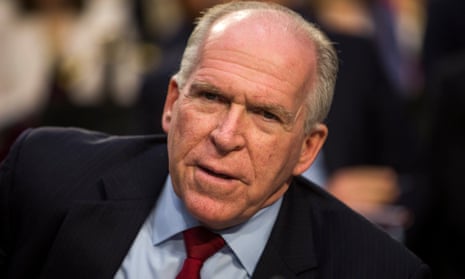
Amid escalating geopolitical tensions and a rapidly evolving conflict involving Iran, former CIA Director John Brennan has emerged as a prominent voice warning about intelligence gaps, security risks, and policy miscalculations. His recent comments and briefings have intensified debate across political, military, and intelligence circles.
As the United States navigates one of its most complex foreign policy crises in recent years, Brennan’s insights highlight critical concerns about intelligence assessments, decision-making processes, and the long-term consequences of military escalation.
Who Is John Brennan?
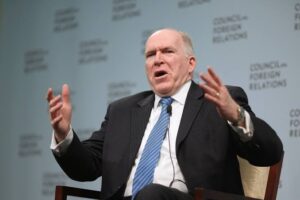
John Brennan served as Director of the Central Intelligence Agency from 2013 to 2017 under President Barack Obama. With decades of experience in intelligence and counterterrorism, Brennan remains a respected—yet often controversial—figure in U.S. national security discourse.
Today, he frequently appears as a national security analyst, offering commentary on global conflicts, intelligence operations, and policy decisions.
Brennan’s Intel Warning on Iran
Brennan’s most striking contribution to the current debate is his warning about the lack of clear intelligence justification for escalating conflict with Iran.
In recent interviews, Brennan argued that:
- There was no clear evidence of an imminent Iranian threat justifying military action.
- Intelligence assessments may have been misinterpreted or selectively used.
- Escalation risks could outpace strategic planning.
This aligns with broader intelligence disclosures suggesting that U.S. agencies did not identify an immediate preemptive strike threat from Iran prior to military action.
Brennan’s warning underscores a recurring concern in U.S. foreign policy: the gap between intelligence findings and political decisions.
Iran Briefing: What Intelligence Reports Reveal
Recent intelligence briefings and reports paint a complex picture of the Iran conflict:
1. No Imminent Threat Confirmed
U.S. intelligence officials reportedly told lawmakers that Iran was not preparing an immediate attack, contradicting some public narratives.
2. Regime Stability Remains Strong
Despite heavy military strikes, intelligence assessments indicate that Iran’s leadership structure is unlikely to collapse quickly.
3. Military Campaign Intensifies
The U.S. has conducted thousands of strikes targeting Iranian infrastructure, signaling a prolonged conflict.
4. Threat Environment Is Evolving
Security agencies have warned about potential retaliation risks and proxy attacks, though internal assessments have been debated.
Security Concerns Raised by Brennan
Brennan’s critique is rooted in several major security concerns:
Strategic Overreach
He warns that entering a large-scale conflict without clear objectives could lead to:
- Prolonged military engagement
- Increased regional instability
- Higher risks of global escalation
Intelligence Misuse
Brennan has hinted at the possibility that intelligence findings are being:
- Politicized
- Overstated
- Selectively interpreted
This concern echoes past controversies in U.S. history where intelligence was used to justify military intervention.
Blowback Risks
Military escalation could trigger:
- Cyberattacks
- Proxy warfare
- Terror threats targeting U.S. interests
Policy Clash: Intelligence vs Political Leadership


The current situation highlights a deep policy divide between intelligence experts and political leadership.
Intelligence Community Perspective
Many analysts emphasize:
- Caution and verification
- Long-term strategic thinking
- Risk assessment over immediate action
Political Leadership Approach
Policy decisions have leaned toward:
- Rapid military response
- Strong deterrence messaging
- Public justification of force
This divergence has fueled controversy, with critics arguing that policy may be outpacing intelligence.
The Broader Iran Conflict Context
The backdrop to Brennan’s warning is a rapidly escalating conflict involving:
- U.S. and allied military operations
- Iranian retaliation and regional tensions
- Diplomatic uncertainty
The 2026 conflict has already resulted in:
- Major infrastructure damage
- Leadership disruptions
- Increased global economic pressure
At the same time, intelligence reports suggest that even extensive military action may not achieve regime change, raising questions about long-term strategy.
Media, Public Reaction, and Controversy
Brennan’s statements have sparked intense reactions:
Supporters Say:
- He is providing necessary accountability
- His experience adds credibility to warnings
- Intelligence should guide policy decisions
Critics Argue:
- His comments undermine current strategy
- He is politically biased
- Public criticism weakens national unity
This divide reflects a broader polarization in how Americans view national security and foreign policy.
Key Takeaways from Brennan’s Warning
- Intelligence did not clearly confirm an imminent Iranian threat
- Military escalation carries long-term strategic risks
- Policy decisions may be ahead of intelligence consensus
- Iran’s regime is unlikely to collapse quickly
- Security threats could expand beyond the battlefield
What Happens Next?
Looking ahead, several scenarios could unfold:
1. Continued Military Escalation
If tensions persist, conflict could expand regionally.
2. Diplomatic Negotiations
Back-channel talks may attempt to de-escalate tensions.
3. Hybrid Conflict
Cyber warfare and proxy conflicts could intensify.
4. Policy Reassessment
Pressure from intelligence leaders and public debate could reshape strategy.
Conclusion
John Brennan has positioned himself at the center of a critical debate about intelligence, security, and U.S. foreign policy. His warnings about Iran highlight the importance of aligning military decisions with verified intelligence and strategic foresight.
As the situation continues to evolve, the tension between intelligence assessments and political action will likely shape the trajectory of the conflict—and its global consequences.
FAQs
1. What did John Brennan say about Iran?
John Brennan warned that there was no clear intelligence supporting an imminent Iranian threat and criticized the rationale behind military escalation.
2. Was Iran planning an attack according to U.S. intelligence?
Reports indicate that intelligence agencies did not find evidence of an immediate preemptive strike by Iran.
3. Why is Brennan’s warning important?
His experience as a former CIA Director gives weight to concerns about intelligence accuracy and policy decisions.
4. What are the main risks of the Iran conflict?
Key risks include regional instability, prolonged war, economic impact, and potential global escalation.
5. Can military action lead to regime change in Iran?
Intelligence assessments suggest that even large-scale military action is unlikely to quickly dismantle Iran’s leadership.
How useful was this post?
Click on a star to rate it!
Average rating 0 / 5. Vote count: 0
No votes so far! Be the first to rate this post.
About the Author

usa5911.com
Administrator
Hi, I’m Gurdeep Singh, a professional content writer from India with over 3 years of experience in the field. I specialize in covering U.S. politics, delivering timely and engaging content tailored specifically for an American audience. Along with my dedicated team, we track and report on all the latest political trends, news, and in-depth analysis shaping the United States today. Our goal is to provide clear, factual, and compelling content that keeps readers informed and engaged with the ever-changing political landscape.