Jasmine Crockett surge: Texas primary storm, Senate race explodes
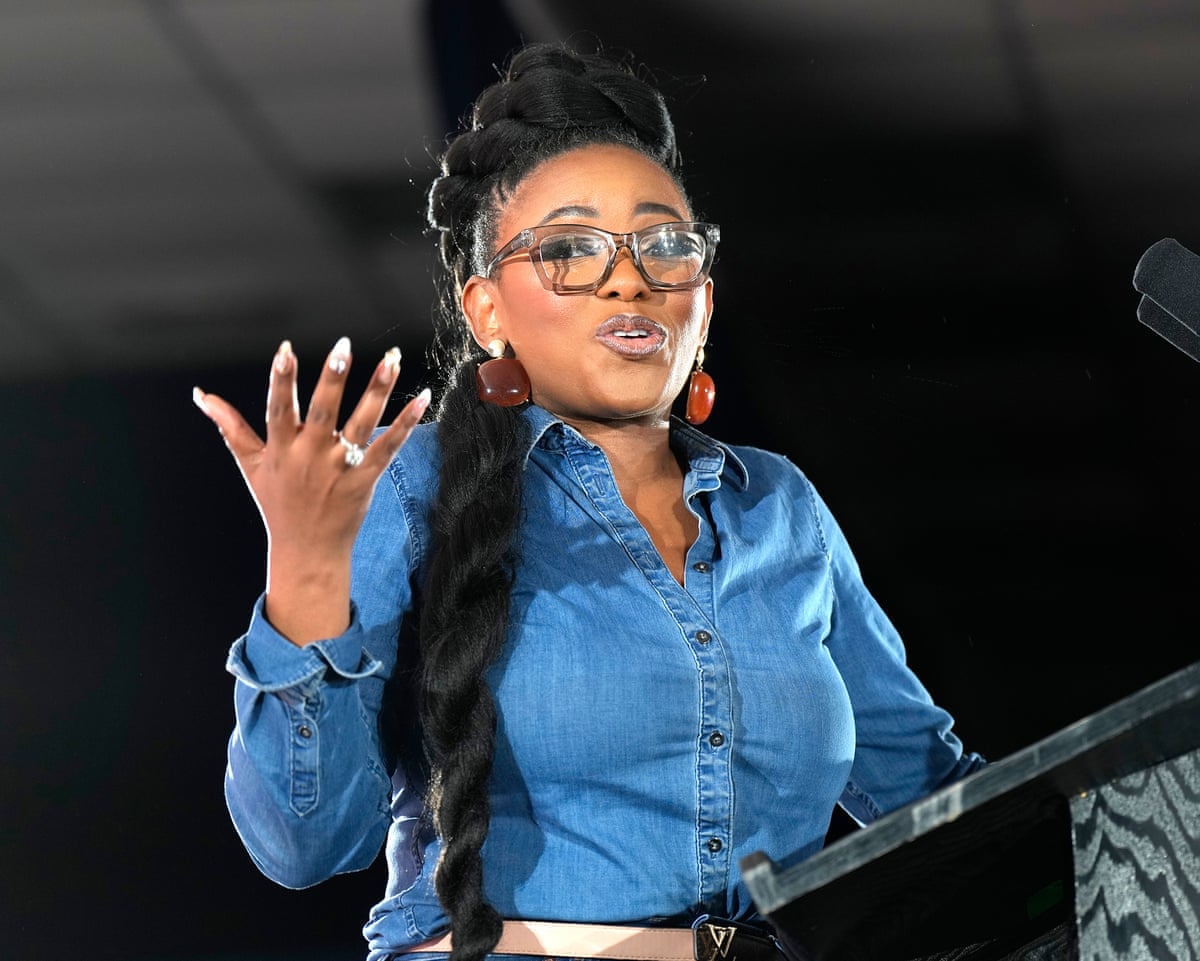
The 2026 U.S. Senate race in Texas has rapidly escalated from a predictable contest into one of the most unpredictable midterm storylines in the nation — largely due to the surge of U.S. Rep. Jasmine Crockett in the Democratic primary. What was once a competitive but restrained intraparty battle has turned into a high-stakes storm threatening to reshape both the Democratic Party’s strategy and the general election landscape.
In this comprehensive analysis, we’ll break down how Crockett’s momentum unfolded, why it’s controversial, what the latest polls show, how rivals have responded, and the implications for both the Democratic base and the larger Senate election.
Who is Jasmine Crockett?

Jasmine Crockett represents Texas’ 30th Congressional District and is widely known for her vocal advocacy on civil rights, progressive causes, and her fiery presence on social media and in public forums. Her Senate campaign entered late, filing just before the deadline following the shock exit of former Rep. Colin Allred — a development that immediately upended the Democratic field.
Crockett’s appeal stems from her ability to energize grassroots voters, especially Black and urban constituencies, and her positioning as a fighter against Republican leadership. However, opponents — both within and outside her party — argue her confrontational style could backfire in a statewide contest in Texas.
How the Surge Began
The initial spark of Crockett’s rise can be traced to early internal and public polling following her late entry into the Senate race. A Barbara Jordan Public Policy Research and Survey Center poll in December showed Crockett pulling ahead of rival James Talarico with 51% support to his 43% among likely Democratic primary voters — despite being in the race for only a short time.
This strong early showing energized her campaign and quickly made her the focal point of the Democratic primary conversation.
Polling: A Race That Keeps Shifting
Polling since then has painted a mixed but consistently competitive picture:
📊 Recent Democratic Primary Polls
A University of Houston poll in February found Crockett leading Talarico 47% to 39% among likely Democratic voters.
Other aggregated polling shows narrow advantages or near ties, demonstrating how volatile the race has become.
Some earlier internal surveys even showed Talarico with a lead at certain points, underlining how dynamic the contest remains.
📈 General Election Implications
Poll aggregators suggest that if Crockett were to secure the Democratic nomination, she could make the general election competitive against Republican contenders like Sen. John Cornyn or Attorney General Ken Paxton — although she might still trail depending on turnout and the Republican nominee.
Ultimately, the data show two important trends:
Broad awareness and name recognition for Crockett, and
A Democratically unified voter base is not guaranteed, especially with undecided voters holding significant influence.
Why the Primary Storm Has Exploded
Several key factors have contributed to the intensity of this primary:
1. Controversial Rhetoric and Identity Politics
The Democratic primary has not been short on drama. Crockett and others in the race have entangled the contest in heated rhetoric around race, identity, and party strategy — with accusations of racial motivation if certain outcomes occur. This has fueled intraparty tension and opened opportunities for Republican critique.
2. Allred’s Exit Created a Vacuum
Colin Allred’s decision to drop out of the Senate race and pivot to a House campaign left a sudden opening that Crockett capitalized on. This last-minute shift forced voters to reassess their options and gave Crockett a moment to surge before other contenders could solidify support.
3. National Attention and Strategy Debates
Texas has long been seen as out of reach for Democrats in statewide elections, but recent shifts — including a surprising state senate flip and demographic changes — have made it a target for national party investment. Crockett’s rise has intensified debates about how best to win Texas, with some advocating for her broad left-leaning appeal and others urging a more moderate strategy.
4. Republican Engagement
Interestingly, some analysis suggests that strategic messaging from Republican groups — including promoting polls favoring Crockett — may have been designed to make her the Democratic nominee, under the assumption she would be easier to defeat in the general election. This kind of tactical interference has added another layer to the primary’s complexity.
Campaign Messages: What Crockett is Pushing
Crockett’s campaign has been built around core themes that resonate with many Democratic primary voters:
Economic affordability: lowering the cost of housing, food, healthcare, and education.
Voting rights: pushing back against what she describes as unconstitutional redistricting and voter suppression tactics.
Grassroots mobilization: leveraging her strong connection with Black voters, women, and progressive communities.
Her messaging emphasizes a bold contrast to the Republican establishment, positioning herself as a fighter for everyday Texans.
Critiques and Concerns
Despite her surge, Crockett has faced criticism:
Some Democrats fear she may not be the most electable in a statewide race, preferring a candidate with broader appeal across moderate and rural voters.
Others argue that her rhetoric could energize opposition turnout, making the general election harder for Democrats.
Concerns have also been raised about her campaign’s financing and overall strategic planning in comparison to well-funded rivals.
These debates highlight a classic tension within the party: progressive energy vs. electability in a conservative-leaning state.
What Happens Next?
Texas will hold its primary election on March 3, 2026, with early voting already underway. The Democratic nominee will then prepare to face the Republican victor in the general election — likely a contest marked by divisions within both parties and a high level of national attention.
Key developments to watch include:
Whether Crockett’s polling advantage holds as votes are cast.
How Republican nominees — Cornyn, Paxton, or Wesley Hunt — position themselves for the general election.
Whether national parties invest significantly in Texas as a potential Senate flip opportunity.
The outcome could reshape control of the U.S. Senate and signal broader political shifts in Texas and nationwide.
Frequently Asked Questions (FAQs)
Q1: Why has Jasmine Crockett’s campaign surged in the Texas Senate primary?
A combination of late entry, strong early polling, broad recognition within Democratic voters, and the withdrawal of a key rival has boosted her visibility. Additionally, her grassroots appeal among core Democratic constituencies has translated into lead positions in multiple surveys.
Q2: Who is Crockett’s main rival in the Democratic primary?
State Rep. James Talarico has been Crockett’s primary competitor. Polls have shown fluctuating leads between the two, making the race highly competitive.
Q3: Could Republicans influence the outcome of the Democratic primary?
Strategic promotion of certain polls and targeted political messaging suggest Republicans may benefit if certain Democratic candidates — like Crockett — secure the nomination. Such tactics aim to elevate candidates perceived as easier opponents in the general election.
Q4: What issues is Crockett emphasizing in her campaign?
Her priorities include affordability, voting rights, and economic justice — topics that appeal to many Democratic voters but could also shape broader statewide messaging as she campaigns across diverse regions.
Q5: Is the Texas Senate seat winnable for Democrats?
Historically, Texas has leaned Republican, but changing demographics and competitive polling suggest Democrats could have a shot, particularly if the Republican nominee is seen as polarizing. The general election remains highly competitive.
Final Thoughts
The Jasmine Crockett surge in the Texas Senate primary is more than a bump in a local contest — it’s a reflection of evolving political dynamics in the Lone Star State. With early voting under way and national implications in view, this race serves as a microcosm of broader debates over identity, strategy, and the direction of American politics.
Whether Crockett ultimately secures the nomination and how she fares in the general election could have major implications for control of the U.S. Senate and the future of Democratic electoral strategy in conservative states.
How useful was this post?
Click on a star to rate it!
Average rating 0 / 5. Vote count: 0
No votes so far! Be the first to rate this post.
About the Author

usa5911.com
Administrator
Hi, I’m Gurdeep Singh, a professional content writer from India with over 3 years of experience in the field. I specialize in covering U.S. politics, delivering timely and engaging content tailored specifically for an American audience. Along with my dedicated team, we track and report on all the latest political trends, news, and in-depth analysis shaping the United States today. Our goal is to provide clear, factual, and compelling content that keeps readers informed and engaged with the ever-changing political landscape.