IRIS Dena Ship : Iran Cargo Move, Sanctions Watch, Red Sea Tension
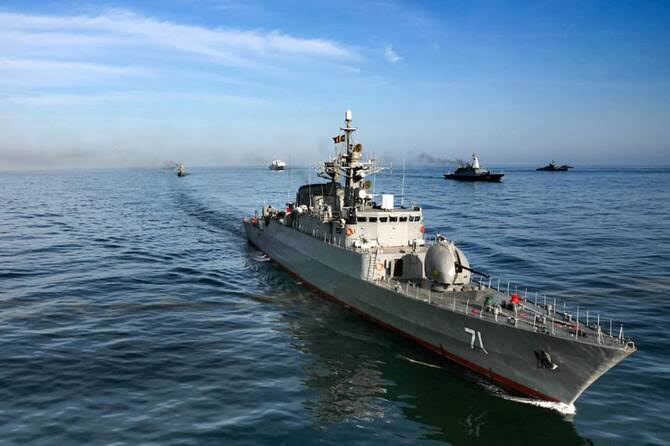
In March 2026, the Iranian Navy’s frigate IRIS Dena became a focal point in escalating global maritime tensions following its sinking in the Indian Ocean. This event not only underscored rising conflict between Tehran and Western powers but also highlighted broader issues affecting global trade routes, cargo movements, and the complex geopolitics of sanctions enforcement.
This analysis explores the IRIS Dena ship’s fate, Iranian cargo strategy amid sanctions, and the wider implications across critical waterways like the Red Sea and the Strait of Hormuz.
1. What Happened to IRIS Dena?
On 4 March 2026, the Iranian frigate IRIS Dena sank in international waters near the southern coast of Sri Lanka after being struck by a torpedo fired from a U.S. submarine, according to multiple international news reports.
Key Facts
IRIS Dena was a Moudge-class frigate commissioned into the Islamic Republic of Iran Navy in 2021.
The ship had recently participated in international naval exercises, including a fleet review in India.
Around 40 nautical miles south of Galle, Sri Lanka, the vessel sank, resulting in the death of more than 80 crew members while nearly three dozen survivors were rescued.
The U.S. Department of Defense confirmed responsibility, describing it as the first time a U.S. submarine sank an enemy warship since World War II.
This dramatic sinking has shifted focus to maritime security and the legal, tactical, and geopolitical ramifications of naval engagement far outside traditional combat zones.
2. IRIS Dena in Context: Iran’s Naval Strategy
Before its sinking, IRIS Dena was considered one of Iran’s most modern warships, equipped with missile systems, air-defense capabilities, and a helicopter platform.
Strategic Naval Roles
Iran has, for years, used a layered maritime approach — combining military patrols with sanctioned and semi-civilian cargo movements — to assert influence:
Twin Role: Defense and Projection
While IRIS Dena was a naval combatant, Iran has also leveraged vessels like the MV Saviz — ostensibly a cargo vessel but widely reported to serve as a reconnaissance or base platform in the Red Sea — for broader strategic purposes.
Additionally, the IRIS Makran, a converted forward base ship, played a support role for Iranian deployments before its own destruction amid ongoing conflicts.
These dual roles blur the line between commerce and defense, complicating how sanctions apply and how shipping security is managed.
3. Iran’s Cargo Moves & Sanctions Evasion
Iran remains under extensive economic sanctions, particularly related to its energy exports. As part of efforts to maintain export revenue, Tehran has relied on a “shadow fleet” of vessels using deceptive practices:
Shadow Fleet Tactics
The U.S. Treasury Department has targeted numerous vessels and management firms connected to Iran’s sanctions-evasion operations, particularly in petroleum shipping.
These sanctions aim to limit Iran’s ability to fund military expansions and regional proxies through energy revenues.
One tactic previously documented involved Iranian tankers traveling with AIS transponders off or on strategically to evade detection and sanctions tracking.
Cargo and Geostrategic Trade Routes
Iranian cargo vessels have historically operated in key shipping avenues like the Red Sea and the Bab-el-Mandeb Strait, areas already under stress from Houthi rebel attacks on international shipping.
Disruptions in these waterways due to regional conflict have far-reaching effects on global trade, increasing freight costs and rerouting logistics.
4. Sanctions Pressure and International Law
Iran’s use of naval and cargo assets has drawn increased scrutiny and pressure from the U.S. and allied nations.
Sanctions Enforcement
The Treasury’s Office of Foreign Assets Control (OFAC) has targeted ships believed to be part of Tehran’s oil export operations.
The sanctions regime attempts to choke off revenue streams that support Iran’s military and political activities.
However, the integration of military-type operations (e.g., armed frigates) with shipping raises complex legal questions about how sanctions apply to vessels that straddle civilian and military roles.
5. Red Sea & Horn of Africa Tension
Even before the IRIS Dena sinking, the Red Sea was a hotspot:
Shipping Risks
Yemen-based Houthis have repeatedly attacked commercial vessels in the Red Sea and Bab-el-Mandeb, prompting major shipping lines to reroute around Africa’s Cape of Good Hope — adding significant time and cost.
These threats amplify the risk profile of maritime trade corridors and have led to higher insurance premiums and temporary suspension of war-risk coverage.
Strait of Hormuz Volatility
The Strait of Hormuz remains one of the most critical and volatile passages:
Iran recently vowed to attack any ship attempting to pass through, effectively signaling closure of the chokepoint in retaliation against Western strikes.
Approximately 20% of the world’s oil transport flows through this narrow channel, making any disruption economically consequential.
6. Global Supply Chain Impact
The combined effects of the Red Sea attacks, Strait of Hormuz threats, and dramatic naval engagements like the sinking of IRIS Dena create a cascade of disruptions:
Direct Economic Outcomes
Maritime insurers are scaling back war-risk coverage in key regions, pushing freight rates higher.
Rerouting of cargo ships around Africa adds days or weeks to delivery times.
Supply chain chokepoints affect not just oil, but also manufactured goods, electronics, and pharmaceuticals.
Trade Indirect Effects
Insurance, fuel costs, and shipping route unpredictability translate into broader cost pressures that ripple through global markets — from energy to consumer goods.
7. Geopolitical Implications
The sinking of the IRIS Dena off Sri Lanka’s coast marks a significant expansion of conflict beyond traditional Middle East waters.
Escalation and Engagement
U.S. involvement via submarine strike signals an intensification in maritime dimensions of the Iran conflict.
This shift heightens strategic risk for all maritime-dependent economies, particularly those of Asia and Europe.
Regional Power Dynamics
Iran’s naval strategy — combining cargo, patrol, and proxy support — reflects an effort to exert influence well beyond its shores. Yet, escalatory responses from naval powers hint at greater volatility ahead.
Frequently Asked Questions (FAQs)
Q1: What was the IRIS Dena?
A: IRIS Dena was a Moudge-class frigate in the Islamic Republic of Iran Navy, commissioned in 2021. It was equipped with modern weaponry and a helicopter deck, serving both defensive and projection roles.
Q2: Why did IRIS Dena sink?
A: It was sunk by a torpedo fired by a U.S. submarine on 4 March 2026 in international waters near Sri Lanka, in a major escalation of the Iran-Western conflict.
Q3: How many crew members were affected?
A: Sri Lankan authorities confirmed that about 80+ crew members were killed, with dozens rescued by naval forces.
Q4: What role do Iranian cargo ships play amid sanctions?
A: Iran uses a variety of vessels to export petroleum and other cargo, often through sanctions-evasion tactics targeting global market access.
Q5: How are trade routes affected by Red Sea and Hormuz tensions?
A: Increased attacks and threats have led to rerouted shipping, elevated costs, and heightened insurance risk, disrupting the global supply chain.
Conclusion
The sinking of IRIS Dena represents a pivotal maritime event with far-reaching geopolitical and economic consequences. Combined with sanctions enforcement, cargo routing challenges, and growing tensions in the Red Sea and Strait of Hormuz, this incident highlights the deep interconnections between naval conflict and global commerce.
For global stakeholders — from policymakers to shipping companies — understanding these dynamics is critical to navigating an increasingly uncertain maritime landscape.
How useful was this post?
Click on a star to rate it!
Average rating 0 / 5. Vote count: 0
No votes so far! Be the first to rate this post.
About the Author

usa5911.com
Administrator
Hi, I’m Gurdeep Singh, a professional content writer from India with over 3 years of experience in the field. I specialize in covering U.S. politics, delivering timely and engaging content tailored specifically for an American audience. Along with my dedicated team, we track and report on all the latest political trends, news, and in-depth analysis shaping the United States today. Our goal is to provide clear, factual, and compelling content that keeps readers informed and engaged with the ever-changing political landscape.