Iran threat clash: intel chiefs spar, Senate heat, US security tension explodes
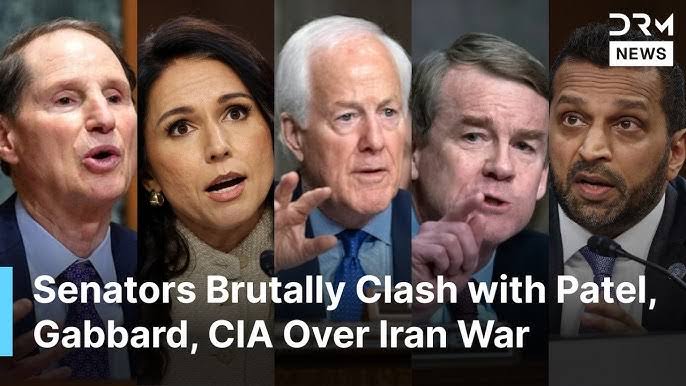
The phrase “Iran threat clash” has become a defining headline in global politics as the United States faces one of its most intense intelligence and security debates in years. A dramatic Senate hearing in March 2026 exposed deep divisions among intelligence officials, lawmakers, and the White House over whether Iran truly posed an imminent threat—and whether military action was justified.
At the center of the storm are conflicting intelligence assessments, political pressure, and rising geopolitical stakes. As U.S. intelligence chiefs publicly sparred before lawmakers, the clash revealed not just disagreements over Iran, but broader concerns about transparency, decision-making, and the future of global security.
Background: Rising US–Iran Tensions
The current crisis traces back to escalating hostilities between the United States and Iran following major joint military strikes in early 2026. These operations, aimed at crippling Iran’s military and nuclear capabilities, triggered a wider regional conflict and global concern.
According to intelligence testimony, Iran’s military power has been “significantly degraded”, yet its government remains intact and capable of regrouping.
At the same time:
Iran’s nuclear infrastructure was reportedly destroyed in earlier strikes
No clear evidence shows Iran rebuilding its nuclear program
The regime is expected to attempt recovery over time
These developments created a paradox: a weakened but still dangerous adversary.
Senate Showdown: Intelligence Chiefs Under Fire
The Senate Intelligence Committee hearing quickly turned into a political battleground. Lawmakers pressed intelligence leaders on one critical question:
👉 Did Iran pose an “imminent threat” before the strikes?
The answer was far from clear.
Conflicting Testimonies
The Director of National Intelligence avoided confirming an imminent threat
The CIA Director insisted Iran remained a serious and ongoing danger
Lawmakers accused officials of withholding or reshaping intelligence
This clash highlighted a fundamental divide within the U.S. intelligence community.
One of the most controversial statements came when officials suggested that only the president—not intelligence agencies—determines what qualifies as an “imminent threat.”
Political Fallout: Pressure Mounts in Washington
The Iran threat clash has quickly escalated into a full-blown political crisis.
Key Developments
1. Resignation of a Top Official
A senior counterterrorism official resigned, stating that Iran did not pose an imminent threat, directly contradicting the administration’s narrative.
2. Democratic Pushback
Democratic senators questioned:
Whether intelligence was ignored
If the war was justified
Whether transparency was compromised
3. Republican Defense
Some Republican leaders defended the operation, arguing:
Iran has long been a threat
Military action was necessary
Critics are undermining national security
The Intelligence Divide: What’s Really True?
At the heart of the Iran threat clash is a deep intelligence contradiction.
Key Points of Disagreement
| Issue | One Side Says | Other Side Says |
|---|---|---|
| Imminent threat | No clear evidence | Yes, long-term danger |
| Nuclear program | Not rebuilding | Still pursuing ambitions |
| War justification | Weak or unclear | Strategically necessary |
For example, intelligence reports indicated that Iran had not resumed nuclear development, undermining claims used to justify the conflict.
Yet other officials warned that Iran continues to pursue missile and military capabilities, keeping the threat alive.
Global Implications: Beyond the United States
This clash is not just about U.S. politics—it has global consequences.
1. Rising Geopolitical Tensions
Iran is reportedly seeking support from countries like Russia and China, raising fears of a broader global alignment against the U.S.
2. Middle East Instability
The conflict has already triggered:
Regional protests
Proxy conflicts
Increased military activity
3. Economic Impact
Global markets have reacted to:
Oil supply concerns
Strait of Hormuz risks
Military escalation fears
Military Reality: Is the Threat Reduced or Growing?
Despite political disagreements, some facts are widely accepted:
What Has Changed
Iran’s military infrastructure has been heavily damaged
Its strategic capabilities are reduced
What Remains
The regime is still intact
Proxy networks remain active
Rebuilding efforts are likely
Intelligence officials warn that Iran could rebuild missile and drone capabilities over time, making this a long-term issue rather than a short-term victory.
War Powers and Legal Debate
The Iran threat clash has also revived debates around presidential war powers.
Under the War Powers Resolution:
The president must consult Congress before military action
Lawmakers can challenge or limit military engagement
However, recent attempts to restrict the president’s authority on Iran failed in Congress, showing deep political divisions.
Public Reaction: Growing Divide Among Americans
The American public is also divided.
Supporters Say
The strikes were necessary for national security
Iran has long threatened U.S. interests
Critics Say
The war lacks clear justification
Intelligence was misrepresented
The conflict risks becoming prolonged
Protests across the United States highlight growing concern about the war’s direction and human cost.
Future Outlook: What Happens Next?
The Iran threat clash is far from over.
Possible Scenarios
1. Continued Military Pressure
The U.S. may maintain or expand operations to prevent Iran’s recovery.
2. Diplomatic Shift
International pressure could push both sides toward negotiations.
3. Escalation Risk
If Iran rebuilds or retaliates, the conflict could widen significantly.
Conclusion
The “Iran threat clash” represents more than just a political dispute—it is a defining moment in modern U.S. foreign policy.
With intelligence agencies divided, lawmakers at odds, and global tensions rising, the situation remains highly volatile. The key question still lingers:
👉 Was the threat real—or was it overstated?
The answer will shape not only the future of U.S.–Iran relations but also the credibility of intelligence, the limits of presidential power, and the stability of the global order.
FAQs
1. What is the Iran threat clash?
It refers to the political and intelligence conflict in the U.S. over whether Iran posed an imminent threat before military action in 2026.
2. Did Iran have an active nuclear program?
Reports suggest Iran’s nuclear program was heavily damaged and not actively rebuilding at the time of the hearing.
3. Why are intelligence officials divided?
Some believe Iran posed a serious threat, while others say there was no immediate danger justifying war.
4. What role did the Senate play?
The Senate Intelligence Committee questioned officials, exposing contradictions and increasing political pressure.
5. Could the conflict escalate further?
Yes. Iran may rebuild capabilities, and tensions with global powers could increase the risk of escalation.
How useful was this post?
Click on a star to rate it!
Average rating 0 / 5. Vote count: 0
No votes so far! Be the first to rate this post.
About the Author

usa5911.com
Administrator
Hi, I’m Gurdeep Singh, a professional content writer from India with over 3 years of experience in the field. I specialize in covering U.S. politics, delivering timely and engaging content tailored specifically for an American audience. Along with my dedicated team, we track and report on all the latest political trends, news, and in-depth analysis shaping the United States today. Our goal is to provide clear, factual, and compelling content that keeps readers informed and engaged with the ever-changing political landscape.