Iran Power Shift : president, system, reaction
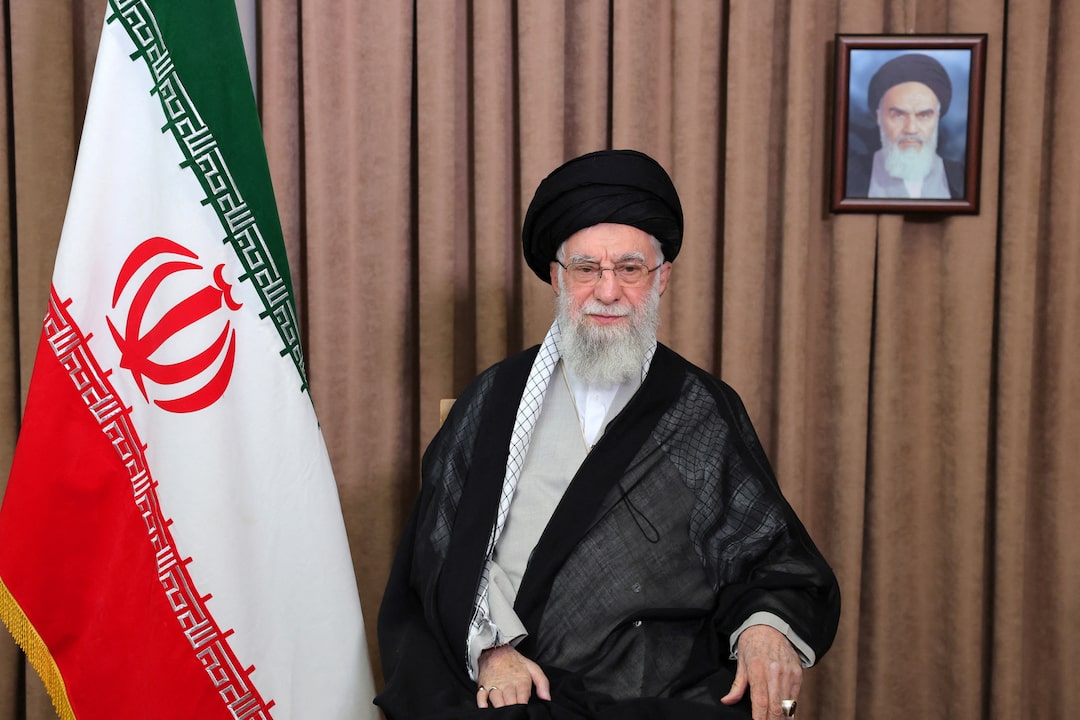
Pezeshkian said that despite sanctions and foreign pressure, Iran is resolute and capable of defending its national interests. Today we will discuss about Iran Power Shift : president, system, reaction
Iran Power Shift : president, system, reaction
Iran is undergoing a period of political recalibration that has reignited debate over how power is exercised, who truly governs, and how society and the world respond to leadership change. The idea of a “power shift” in Iran does not point to a single event but reflects a layered transformation involving the presidency, entrenched institutions, and reactions from citizens and international actors alike.
This evolving balance of authority reveals the tension between elected leadership and unelected power centers, highlighting the complexities of governance in the Islamic Republic.
I. Understanding Power in Iran’s Political Structure
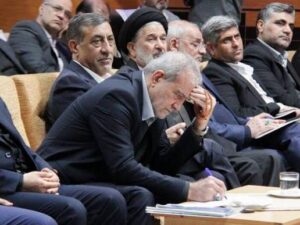
Iran’s political system is neither a conventional democracy nor a straightforward autocracy. Instead, it blends republican elements, such as elections, with religious oversight and institutional guardianship. Power is dispersed across multiple bodies, each with defined but overlapping responsibilities.
At the center is the concept that legitimacy comes from both popular participation and religious authority, creating an ongoing push and pull between public will and institutional control.
II. The Supreme Leader: Cornerstone of Authority
The Supreme Leader is the most powerful figure in Iran’s political hierarchy. This position holds decisive influence over:
National security and defense policy
Foreign relations and strategic alliances
Judicial and military leadership appointments
Oversight of key institutions
Regardless of who occupies the presidency, the Supreme Leader remains the ultimate arbiter of Iran’s long-term direction. This reality means that any discussion of power shift must begin with an understanding that authority at the top remains stable, even as political styles below it change.
III. The Presidency: Influence Within Limits
The Iranian president is elected by popular vote and serves as the head of government administration. The role includes responsibility for:
Economic management
Social policy implementation
Cabinet formation
Day-to-day governance
However, presidential authority is restricted by oversight bodies such as the Guardian Council and by the broader influence of the Supreme Leader. Historically, presidents have ranged from reformist to hardline, but their ability to enact transformative change has been limited.
Presidents can shape tone, policy emphasis, and international messaging, yet structural barriers often prevent sweeping reforms.
IV. The 2024 Presidential Transition and Its Significance
1. A Sudden Leadership Change
Iran’s political landscape shifted in 2024 following the sudden death of President Ebrahim Raisi. This unexpected event led to early presidential elections, drawing domestic and international attention.
The election resulted in the victory of Masoud Pezeshkian, a figure associated with moderate and reform-oriented views. His win represented a change in political approach rather than a systemic transformation.
Voter turnout, however, was notably low, reflecting widespread public skepticism about the effectiveness of elections in delivering real change.
2. Pezeshkian’s Agenda and Constraints
President Pezeshkian entered office with promises of:
Economic stabilization
Reduced social tensions
Improved governance efficiency
Cautious diplomatic engagement
While his rhetoric emphasized pragmatism and unity, his administration faces immediate constraints. Powerful institutions such as the Revolutionary Guard and the judiciary operate independently of the presidency, limiting executive reach.
This illustrates a key feature of Iran’s power structure: presidents manage policy, but institutions shape outcomes.
V. Domestic Reactions: Society at a Crossroads
1. Public Sentiment and Political Fatigue
Iranian society is deeply diverse, encompassing reformists, conservatives, apolitical citizens, and critics of the entire system. In recent years, economic hardship, inflation, unemployment, and sanctions have fueled public frustration.
Many citizens question whether leadership changes within the existing framework can genuinely improve living conditions. This sentiment is reflected in declining electoral participation and rising political disengagement.
For a growing segment of the population, the issue is not who wins elections, but whether the system itself can respond to public needs.
2. Reformists vs. Hardliners
Internal political competition remains intense. Reform-oriented factions advocate gradual change, social openness, and international engagement. Hardliners emphasize resistance, ideological consistency, and centralized authority.
This tension manifests in debates over:
Media freedom
Social regulations
Economic reform
Foreign policy posture
Despite occasional shifts in leadership style, institutional continuity ensures that radical departures remain unlikely in the short term.
VI. The Role of Security and Military Institutions
One of the defining features of Iran’s power system is the influence of security institutions, particularly the Islamic Revolutionary Guard Corps (IRGC). These bodies play a major role in:
Regional military operations
Strategic industries
Intelligence activities
Crisis management
Their influence often extends beyond formal government channels, making them central players in national decision-making. Any president must navigate this reality carefully, balancing cooperation with policy objectives.
This dynamic reinforces the idea that real power in Iran is shared, but not equally distributed.
VII. International Reactions and Geopolitical Impact
1. Regional Observations
Iran’s leadership changes are closely monitored across the Middle East. Neighboring states view Tehran’s political shifts through the lens of security, alliances, and regional influence.
Iran’s involvement in regional conflicts, its relationships with allied groups, and its diplomatic posture all contribute to how power transitions are interpreted beyond its borders.
While a moderate-leaning presidency may soften rhetoric, regional actors generally assume continuity in Iran’s strategic priorities.
2. Global Powers and Diplomacy
Major global powers, particularly the United States and European nations, respond cautiously to changes in Iranian leadership. Past experience has shown that presidential transitions do not automatically translate into policy breakthroughs.
Discussions around sanctions, nuclear negotiations, and regional stability remain tied to broader institutional decisions rather than presidential preference alone.
As a result, international reactions tend to focus on signals rather than expectations of rapid change.
VIII. Economic Pressures as a Driver of Power Dynamics
Economic performance has become one of the most critical factors shaping Iran’s internal power balance. Persistent challenges include:
High inflation
Currency instability
Youth unemployment
Limited foreign investment
Public trust in leadership increasingly depends on economic outcomes rather than ideological alignment. This places pressure on the presidency to deliver results, even while operating within constraints.
Over time, economic dissatisfaction has the potential to influence how power is exercised, legitimized, and contested.
IX. Generational Change and the Future of Power
Iran’s population is relatively young, and younger generations often hold different expectations about governance, personal freedom, and economic opportunity. Access to information and global culture has broadened perspectives, even amid restrictions.
This generational shift does not immediately alter political structures, but it slowly reshapes public discourse and long-term pressure points within the system.
Analysts suggest that future power shifts in Iran may come less from elections and more from demographic and societal evolution.
X. Is Iran Experiencing a Real Power Shift?
The answer depends on how “power shift” is defined.
At the top, authority remains firmly centralized.
At the presidential level, leadership style and policy tone can change, but structural limits persist.
At the societal level, expectations and frustrations are evolving rapidly.
At the international level, Iran’s strategic posture remains largely consistent despite leadership transitions.
Rather than a dramatic transfer of power, Iran is experiencing a slow, negotiated adjustment within an established framework.
Conclusion: Power in Motion, Not in Transition
Iran’s political system is designed for continuity, not disruption. While the presidency can reflect shifts in public mood and policy emphasis, the broader structure ensures stability and control.
The recent changes in leadership highlight important trends:
Growing public skepticism
Persistent institutional dominance
Rising economic pressure
Increasing global scrutiny
Iran’s power is not moving from one actor to another overnight. Instead, it is being tested, adapted, and reinterpreted in response to internal and external challenges.
Understanding Iran’s power shift requires looking beyond headlines to the deeper system that balances authority, ideology, and survival — a system that continues to evolve, cautiously and deliberately.
How useful was this post?
Click on a star to rate it!
Average rating 0 / 5. Vote count: 0
No votes so far! Be the first to rate this post.
About the Author

usa5911.com
Administrator
Hi, I’m Gurdeep Singh, a professional content writer from India with over 3 years of experience in the field. I specialize in covering U.S. politics, delivering timely and engaging content tailored specifically for an American audience. Along with my dedicated team, we track and report on all the latest political trends, news, and in-depth analysis shaping the United States today. Our goal is to provide clear, factual, and compelling content that keeps readers informed and engaged with the ever-changing political landscape.