Iran executes : teen wrestling star, global outrage, human rights shock
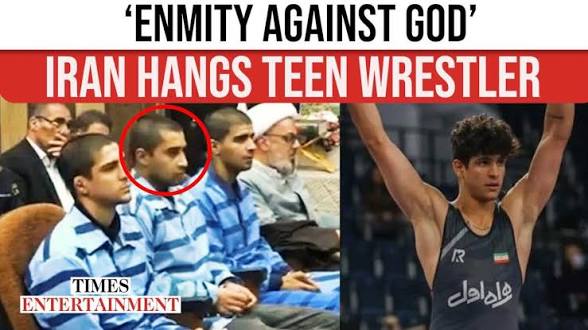
The execution of young Iranian wrestler Saleh Mohammadi has triggered a wave of global outrage, raising urgent questions about justice, human rights, and the use of capital punishment in Iran. The 19-year-old athlete, once seen as a rising star in international wrestling, was executed following allegations tied to anti-government protests—claims that human rights groups say were deeply flawed and possibly coerced.
This shocking development has reignited global debate over Iran’s legal system, the treatment of protesters, and the broader implications for athletes and young citizens caught in political conflict.
Who Was Saleh Mohammadi? A Rising Star Cut Short

Saleh Mohammadi was not just another name in the headlines. He was a promising athlete who had already begun making his mark in the world of wrestling—a sport deeply embedded in Iranian culture.
He competed internationally and won a bronze medal at a major tournament in Russia
He trained in both freestyle and Greco-Roman wrestling
He dreamed of representing Iran on the global stage
At just 19, Mohammadi symbolized ambition, discipline, and national pride. His execution has therefore resonated far beyond political circles, deeply impacting the global sports community.
The Charges and Trial: A Controversial Process
Mohammadi was arrested in January 2026 during a wave of protests across Iran. Authorities accused him of involvement in the killing of a security officer—charges he consistently denied.
However, serious concerns emerged about the fairness of his trial:
Reports suggest he had an alibi supported by witnesses and CCTV footage
Human rights organizations claim his confession was extracted under torture
Legal experts argue he was denied proper access to defense counsel
He was ultimately convicted under the charge of “moharebeh” (enmity against God)—a serious offense in Iran often used in protest-related cases .
Critics say the trial process lacked transparency and due process, raising alarms about judicial independence in politically sensitive cases.
Execution Sparks Global Outrage
Iran’s decision to carry out the execution despite international appeals has sparked widespread condemnation.
Key reactions include:
Human rights organizations labeling the execution a “travesty of justice”
Activists calling for international sanctions and accountability
Sports figures urging global bodies to take action
Many critics argue that the execution was intended as a warning to protesters, rather than a legitimate act of justice.
A Pattern of Executions Linked to Protests
This is not the first time Iran has faced criticism for executing individuals linked to protests.
The case of Navid Afkari remains a haunting precedent. Afkari, another wrestler, was executed in 2020 despite global pleas for clemency.
He also claimed his confession was obtained under torture
His execution sparked international protests and condemnation
Global sports bodies, including the International Olympic Committee, intervened unsuccessfully
Similarly, Mohsen Shekari was executed in 2022 for charges related to protest activities, marking a worrying trend .
These cases highlight a broader pattern of harsh crackdowns on dissent in Iran.
Human Rights Concerns: What Experts Are Saying
Human rights organizations have raised multiple concerns regarding Mohammadi’s execution:
1. Use of Torture
Reports indicate that forced confessions may have been used as key evidence, violating international law.
2. Lack of Fair Trial
Critics argue that the judicial process failed to meet basic standards of fairness and transparency.
3. Execution of Young Offenders
Although Mohammadi was 19 at the time of execution, reports suggest he was a minor at the time of arrest—raising ethical concerns.
4. Public Executions
Public hangings are seen as a tool of intimidation, drawing widespread condemnation globally.
Impact on Global Sports Community
The execution has deeply shaken the international sports world.
Wrestling, one of Iran’s most celebrated sports, now finds itself at the center of a moral and political crisis.
Athletes and federations are calling for bans and sanctions
Discussions are underway about Iran’s participation in global competitions
The case has sparked debates about athlete safety and political repression
Many argue that sports should remain separate from politics—but incidents like this challenge that ideal.
Geopolitical Context: Rising Tensions
The execution comes at a time of heightened geopolitical tension involving Iran and Western nations.
Ongoing protests within Iran
International scrutiny over human rights
Regional instability in the Middle East
Analysts suggest that harsh punishments may be used as a strategy to maintain internal control during periods of unrest.
Death Penalty in Iran: A Broader Issue
Iran remains one of the countries with the highest number of executions globally.
Hundreds of executions are reported annually
Charges often include drug offenses, political crimes, and religious violations
International organizations have repeatedly called for reforms
The use of the death penalty, especially in politically sensitive cases, continues to draw intense criticism.
Why This Case Matters Globally
The execution of Saleh Mohammadi is not just a national issue—it is a global one.
It raises key questions:
Can justice systems be trusted in politically charged environments?
Should international bodies intervene in such cases?
What protections exist for young athletes and protesters?
For many, this case symbolizes the intersection of politics, justice, and human rights in the modern world.
The Road Ahead: Calls for Accountability
Following the execution, calls for action are growing louder:
Demands for independent investigations
Appeals for sanctions against officials involved
Pressure on global sports organizations to respond
Whether these calls will lead to meaningful change remains uncertain—but the global spotlight on Iran’s human rights record is unlikely to fade anytime soon.
Conclusion
The execution of Saleh Mohammadi has become a defining moment in the ongoing debate over human rights in Iran.
What was once a story of a young athlete chasing dreams has turned into a powerful symbol of injustice, sparking outrage across continents.
As the world reacts, one thing is clear: this case will continue to influence discussions on justice, human rights, and the role of international accountability in the years to come.
FAQs
1. Who was Saleh Mohammadi?
Saleh Mohammadi was a 19-year-old Iranian wrestling champion who competed internationally and won a bronze medal before his execution.
2. Why was he executed?
He was accused of killing a security officer during protests and convicted under the charge of “enmity against God,” though he denied the allegations.
3. Why is there global outrage?
Human rights groups claim he was denied a fair trial and forced into a confession, making the execution highly controversial.
4. Has this happened before in Iran?
Yes, similar cases include the execution of Navid Afkari, which also sparked international condemnation.
5. What is “moharebeh”?
It is a legal charge in Iran meaning “waging war against God,” often used in cases involving protests or political dissent.
6. What are human rights organizations demanding?
They are calling for investigations, legal reforms, and international pressure to prevent similar cases in the future.
How useful was this post?
Click on a star to rate it!
Average rating 0 / 5. Vote count: 0
No votes so far! Be the first to rate this post.
About the Author

usa5911.com
Administrator
Hi, I’m Gurdeep Singh, a professional content writer from India with over 3 years of experience in the field. I specialize in covering U.S. politics, delivering timely and engaging content tailored specifically for an American audience. Along with my dedicated team, we track and report on all the latest political trends, news, and in-depth analysis shaping the United States today. Our goal is to provide clear, factual, and compelling content that keeps readers informed and engaged with the ever-changing political landscape.