Iran Attacks Israel : Missile Barrage, Iron Dome Breach, War Escalation, Global Fear
The phrase “Iran attacks Israel” has rapidly become one of the most alarming global headlines in 2026. What began as a targeted military operation has now escalated into a full-scale regional conflict, raising fears of a broader war involving global powers.
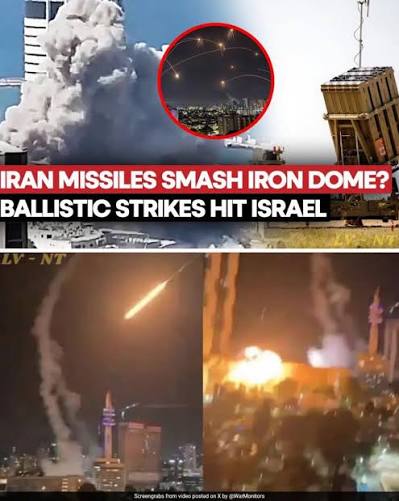
In recent weeks, Iran has launched massive missile barrages against Israeli cities, including Arad, Dimona, and Tel Aviv. Despite Israel’s advanced air defense systems, including the Iron Dome, several missiles have successfully breached defenses, causing casualties, destruction, and widespread panic.
This article explores the origins of the conflict, the shocking breach of Israel’s defenses, the humanitarian consequences, and the global implications of this escalating war.
Background: What Triggered Iran’s Attack on Israel?
The current conflict traces back to February 28, 2026, when Israel, alongside the United States, launched a coordinated strike on Iranian targets under Operation Lion’s Roar.
The operation targeted:
- Nuclear facilities
- Military installations
- Key infrastructure in Tehran
Iran viewed this as a direct act of war and responded with ballistic missiles and drone strikes, marking the beginning of a prolonged and dangerous escalation.
Missile Barrage: How Iran Attacked Israel
Iran’s response has been both strategic and overwhelming. It has deployed:
- Ballistic missiles
- Cruise missiles
- Drone swarms
- Cluster munitions
According to reports, Iran initially launched over 180 missiles in a single day, demonstrating its ability to overwhelm even advanced defense systems.
Key Targets Hit
- Tel Aviv (residential areas)
- Arad and Dimona (southern Israel)
- Jerusalem (debris and shrapnel damage)
- Beit Shemesh (deadly strike on civilians)
These attacks have not only caused physical destruction but also psychological trauma across Israel.
Iron Dome Breach: A Shocking Development
One of the most alarming aspects of the conflict is the breach of Israel’s Iron Dome defense system.
Why the Iron Dome Failed
The Iron Dome is designed to intercept short-range rockets, but Iran used tactics to exploit its weaknesses:
- Saturation attacks: Launching many missiles at once
- Cluster warheads: Releasing multiple bomblets mid-air
- Long-range ballistic missiles
Recent reports confirm that Iranian missiles successfully penetrated Israeli defenses, striking populated areas and injuring over 100 civilians in a single attack.
Cluster munitions have proven especially dangerous, as they disperse multiple explosives, making interception significantly harder.
Human Impact: Civilian Casualties and Fear
The human cost of the conflict is devastating.
Casualties and Damage
- Over 100 injured in Arad and Dimona alone
- Children among the most affected victims
- Residential buildings destroyed
- Families displaced
Hospitals in southern Israel have been overwhelmed, with many victims requiring emergency surgeries.
Psychological Impact
- Constant air raid sirens
- Fear of further attacks
- Mass evacuations in affected regions
The use of cluster bombs has further intensified fear, as unexploded remnants pose long-term risks to civilians.
Israel’s Response: Retaliation and Defense
Israel has vowed strong retaliation against Iran.
Military Actions
- Airstrikes on Iranian missile launchers
- Targeting of IRGC facilities
- Expansion of operations into Lebanon
Israeli forces claim to have destroyed over 60% of Iran’s missile launchers, significantly reducing attack frequency.
Advanced Defense Systems
Israel is also deploying:
- Arrow-3 system (intercepts missiles in space)
- David’s Sling (medium-range defense)
In one dramatic moment, an Iranian missile was intercepted outside Earth’s atmosphere, highlighting the scale of modern warfare.
Regional Escalation: Beyond Israel and Iran
This conflict is no longer limited to two countries.
Expanding War Zones
- Iran has launched attacks on Gulf nations
- Drone strikes on U.S. bases
- Hezbollah involvement from Lebanon
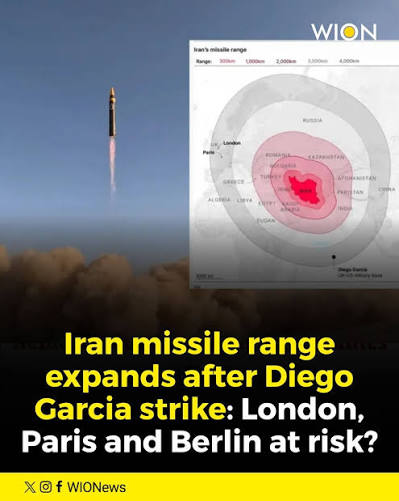
Iran has even threatened to destroy energy infrastructure across the Middle East, escalating fears of a wider war.
Global Impact: Energy Crisis and Economic Shock
The Iran-Israel war is already affecting the global economy.
Key Consequences
- Rising oil prices
- Threats to the Strait of Hormuz
- Disruption of global supply chains
The Strait of Hormuz, a critical oil route, is at risk of closure, which could trigger a global energy crisis.
Role of the United States and Global Powers
The United States has played a major role in the conflict.
U.S. Involvement
- Military support for Israel
- Deployment of thousands of troops
- Threats of direct strikes on Iran
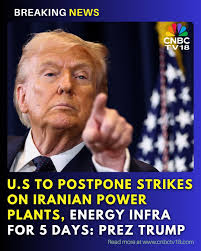
At the same time, diplomatic efforts are ongoing, with global leaders pushing for de-escalation.
International Reactions
- UN warnings about humanitarian crisis
- Calls for ceasefire from multiple nations
- Russia evacuating personnel from Iran
Why This Conflict Is Different
This is not just another Middle East conflict.
Key Differences
- Direct Iran-Israel confrontation (not proxy war)
- Advanced missile technology used at scale
- Involvement of global powers
- Threat to global energy markets
The combination of these factors makes this conflict one of the most dangerous in decades.
Future Outlook: What Happens Next?
Experts warn that the situation could go in several directions:
Possible Scenarios
- Full-scale regional war
- Temporary ceasefire through diplomacy
- Escalation involving NATO or Gulf nations
The next few weeks will be critical in determining whether the conflict stabilizes or spirals further.
Conclusion
The headline “Iran attacks Israel” is no longer just news—it represents a rapidly evolving global crisis.
With missile barrages breaching defenses, civilians caught in the crossfire, and global powers edging closer to direct confrontation, the world is witnessing a dangerous turning point.
The stakes are enormous:
- Regional stability
- Global economy
- International security
As the conflict continues, one thing is clear—this war is far from over, and its consequences will be felt worldwide.
FAQs
1. Why did Iran attack Israel?
Iran launched missile attacks in response to Israeli and U.S. strikes on its nuclear and military facilities in February 2026.
2. How did Iran breach the Iron Dome?
Iran used saturation attacks and cluster munitions, overwhelming the system and making interception difficult.
3. Which cities in Israel were attacked?
Major targets include Tel Aviv, Arad, Dimona, Jerusalem, and Beit Shemesh.
4. How many people were affected?
Hundreds have been injured, with significant infrastructure damage and civilian displacement.
5. What is the global impact of this conflict?
The war is affecting oil prices, global markets, and raising fears of a wider regional or global conflict.
6. Could this lead to World War 3?
While not certain, the involvement of global powers increases the risk of a larger international conflict.
How useful was this post?
Click on a star to rate it!
Average rating 0 / 5. Vote count: 0
No votes so far! Be the first to rate this post.
About the Author

usa5911.com
Administrator
Hi, I’m Gurdeep Singh, a professional content writer from India with over 3 years of experience in the field. I specialize in covering U.S. politics, delivering timely and engaging content tailored specifically for an American audience. Along with my dedicated team, we track and report on all the latest political trends, news, and in-depth analysis shaping the United States today. Our goal is to provide clear, factual, and compelling content that keeps readers informed and engaged with the ever-changing political landscape.