Insurrection Act Warning : Trump military threat, Minnesota protests, federal power flex
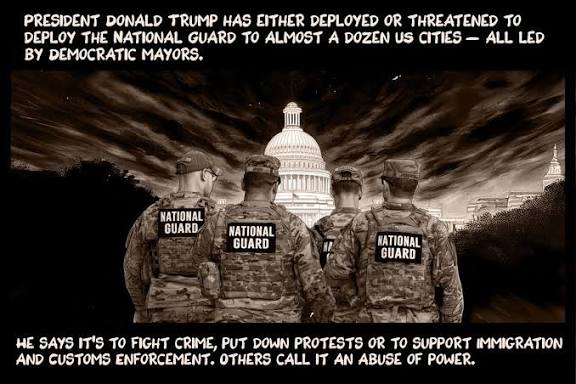
President Donald Trump on Thursday threatened to invoke the Insurrection Act to justify deploying troops as protests against immigration escalate. Today we will discuss about Insurrection Act Warning : Trump military threat, Minnesota protests, federal power flex
Insurrection Act Warning : Trump military threat, Minnesota protests, federal power flex
In January 2026, the United States found itself at a dramatic crossroads of constitutional power, state‑federal tensions, and civil unrest. President Donald Trump issued a stark warning that he might invoke the nearly two‑century‑old Insurrection Act — a federal statute allowing the U.S. military to suppress domestic disorder — in response to escalating protests in Minneapolis, Minnesota. These protests erupted amid a controversial federal immigration enforcement surge and violent encounters involving federal agents, spotlighting fundamental questions about executive authority, civil liberties, and the balance of governmental power in America’s democratic system.
What Has Happened in Minnesota? Causes of the Unrest
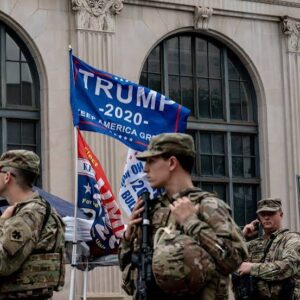
Federal Immigration Enforcement Sparked Protests
Tensions in Minneapolis escalated after a federal immigration agent shot and killed a woman named Renée Good on January 7, 2026, during a federal enforcement operation. Just days later, a U.S. immigration officer wounded a Venezuelan man in the leg after reporting that he had been attacked with a shovel and a broom handle. These violent encounters ignited widespread protests against the Trump administration’s immigration enforcement tactics and the presence of federal officers.
Daily demonstrations have drawn thousands of residents, activists, and national media attention. Protesters have accused Immigration and Customs Enforcement (ICE) and the Department of Homeland Security (DHS) of heavy‑handed tactics, racial bias, and unchecked federal overreach in a city still grappling with the legacy of past civil rights struggles.
Federal Agents in Minneapolis: Scale and Scope
The DHS has deployed nearly 3,000 federal immigration agents to Minneapolis — a force larger than the city’s own police department. DHS officials insist these officers are responding to violent resistance and protecting federal property. Local leaders say this level of federal involvement has paralyzed daily life, intimidated residents, and worsened tensions without addressing root causes of public safety concerns.
Minneapolis Mayor Jacob Frey has condemned the operation as an “invasion” and criticized the administration for sidelining local authorities. Minnesota Attorney General Keith Ellison has even filed a lawsuit challenging the federal deployment as unconstitutional, citing civil rights violations and unprecedented federal intrusion into state governance.
The Insurrection Act: History and Legal Authority
Origins and Purpose
The Insurrection Act is a set of statutes originating in 1807 that allow the president to deploy U.S. military forces domestically in specific circumstances. Ordinarily, the Posse Comitatus Act forbids the U.S. military from engaging in domestic law enforcement. However, the Insurrection Act provides a rare exception, enabling the president to:
Deploy active‑duty troops within the U.S. to restore order;
Federalize the National Guard without state governor consent;
Suppress insurrection, rebellion, or domestic violence that hinders enforcement of federal laws or threatens public safety.
Historically, the statute has been used to enforce civil rights and quell riots — such as enforcing school desegregation in the 1950s and responding to unrest during the 1960s and 1992 Los Angeles riots. Some amendments attempted to broaden its scope, but many were later repealed amid opposition from state leaders.
Rare Use and High Bar
The Act has not been commonly invoked; U.S. presidents generally reserve it for extreme circumstances when local authorities cannot or will not enforce federal law, or when public safety collapses. Presidents have historically hesitated to use it without requests from governors or overwhelming evidence of widespread violence beyond local control.
Trump’s Insurrection Act Warning: What Was Said
The Presidential Statement
On January 15, 2026, Trump posted on social media that if Minnesota officials did not “obey the law” and stop what he called “professional agitators and insurrectionists” attacking ICE agents, he would “institute the Insurrection Act” to bring in the military to quell protests in the state. He claimed that many presidents before him had used the Act and vowed to “quickly put an end to the travesty” occurring in Minnesota.
This marked one of the most direct threats yet to use federal military force on U.S. soil against civilian protests in recent decades — intensifying an already polarized national political climate.
Federal Justification and State Objections
The Trump administration argues that Minnesota’s Democratic leadership has failed to maintain order and protect federal law enforcement. Administration officials characterize the protests, which have included rocks, fireworks, and clashes with law enforcement, as violent and lawless. They claim federal action is necessary to prevent further breakdowns in public order and protect government personnel.
Minnesota leaders counter that peaceful protest is a constitutional right and that federal actions are exacerbating tensions. Governor Tim Walz and Mayor Jacob Frey have pushed back strongly, condemning both the federal enforcement surge and the threat to deploy the military. Local authorities have stressed that community safety requires de‑escalation and collaborative policing, not military intervention.
Legal and Constitutional Implications
Balance Between Federal and State Power
At the heart of the controversy is a constitutional dilemma: when — and if — the federal government can supersede state authority to enforce order. The U.S. Constitution envisions a delicate balance between national and state powers. Governors typically control National Guard forces within their states unless these forces are federalized under specific legal conditions, such as an Insurrection Act invocation.
Legal scholars caution that unilaterally deploying federal troops without clear evidence of insurrection or without state request could raise serious questions under both the Constitution and longstanding legal precedent. Some argue that such action could conflict with the Tenth Amendment, which reserves powers not delegated to the federal government to the states.
Civil Liberties and First Amendment Rights
Critics warn that threatening or using the Insurrection Act against protesters could chill fundamental civil liberties, especially the First Amendment rights to free speech and assembly. Deploying military forces in civilian contexts — beyond protecting federal property — risks militarizing domestic governance and transforming citizens’ means of dissent into acts of federal judicial enforcement.
Supporters of protest movements emphasize that protests against federal policies — even when tense or volatile — do not inherently meet the legal threshold for “insurrection.” They argue that democratic societies must tolerate dissent, debate, and even disruption short of genuine threats to public safety.
Reactions: Political, Legal, and Public Opinion
State and Local Leadership Pushback
Minnesota officials have not only condemned federal actions but have initiated legal responses. The state’s attorney general filed a lawsuit seeking to end federal deployments, alleging unconstitutional actions and civil rights violations. This legal battle could shape how far the federal government may go in using military power within a U.S. state.
Mayor Frey described the federal presence as an occupation that has upended local governance and safety efforts, while Governor Walz signals readiness to pursue legal challenges if federal troops are deployed.
National Political Divide
On the national stage, Trump’s threat has widened partisan divisions. Conservative supporters argue that restoring order and protecting federal officers is a legitimate executive responsibility, especially amid violent unrest. They view the Insurrection Act as a necessary tool in extreme cases where state leadership is perceived as ineffective.
Progressive and civil libertarian voices, however, see the threat to use military power against protests as an authoritarian overreach and a dangerous precedent for federal supremacy over local governance and citizens’ rights. Some commentators suggest that invoking the Insurrection Act to suppress protest activity bears resemblance to repressive tactics more common in autocracies than in constitutional republics.
Public Opinion
Polls indicate a split among the American public regarding federal authority versus civil liberties. While some Americans express concern over growing unrest and support strong federal action, others prioritize protecting constitutional freedoms and fear the normalization of domestic military use. Scholars warn that using the Insurrection Act in this context could have lasting implications for trust in government institutions and civic engagement.
Historical Context: Insurrection Act Use in U.S. History
The Insurrection Act has been employed at pivotal moments in American history. Presidents have used it to enforce desegregation in the South during the Civil Rights Movement, quell violent riots, and respond to rebellion or insurrection. Notably, federal intervention was critical during the 1957 Little Rock crisis and the 1962 integration of the University of Mississippi.
In modern times, the Act was reportedly considered but ultimately not invoked during the George Floyd protests of 2020, illustrating presidential reluctance to deploy military force against domestic protest movements.
Legal reforms and debates over the scope of the Insurrection Act have arisen periodically, with some lawmakers urging clearer limits to prevent misuse of power while others advocate for expanding presidential authority in cases of domestic disorder.
Implications and The Road Ahead
Potential Legal Battles
Should Trump formally invoke the Act, the issue is likely to end up in court. States could challenge the legality of federal military deployments without clear evidence of insurrection or state consent. The Supreme Court could ultimately be called upon to set new precedent on the boundaries of executive power and state sovereignty.
Civil Liberties and Democratic Norms
Legal experts warn that normalizing the use of federal troops in protest situations risks undermining democratic norms and citizens’ trust in government. Civil liberties organizations are already mobilizing legal and public advocacy to protect free speech rights and oppose actions that blur lines between law enforcement and military force.
Political Ramifications
Politically, Trump’s warning could shape national discourse on immigration, federal power, and civil protest. Whether the administration follows through on the threat will test the strength of constitutional safeguards and illuminate how far presidential authority stretches in times of internal dissent.
Conclusion
President Trump’s warning to invoke the Insurrection Act in Minnesota has thrust a rare and powerful federal statute into the center of contemporary American politics. Sparked by local protests against federal immigration enforcement and violent encounters with federal agents, this moment forces the nation to confront deep questions about the balance between public order and constitutional freedoms. As legal battles loom and public opinion remains deeply divided, the coming weeks will be crucial in defining how democratic institutions manage internal conflict and how far presidential power can extend before it collides with state autonomy and civil liberties.
How useful was this post?
Click on a star to rate it!
Average rating 0 / 5. Vote count: 0
No votes so far! Be the first to rate this post.
About the Author

usa5911.com
Administrator
Hi, I’m Gurdeep Singh, a professional content writer from India with over 3 years of experience in the field. I specialize in covering U.S. politics, delivering timely and engaging content tailored specifically for an American audience. Along with my dedicated team, we track and report on all the latest political trends, news, and in-depth analysis shaping the United States today. Our goal is to provide clear, factual, and compelling content that keeps readers informed and engaged with the ever-changing political landscape.