Immigration Crackdown 2025: New Federal Rules Trigger Chaos at US Borders
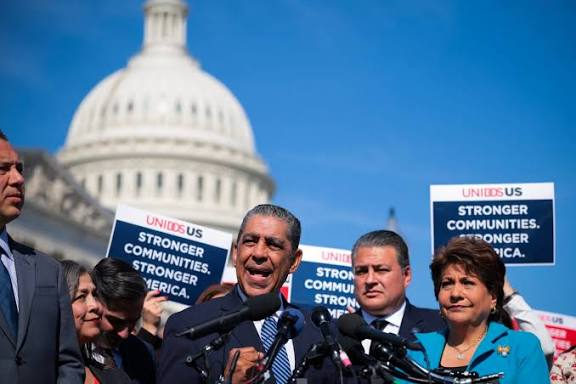
New federal immigration rules in 2025 trigger stricter crackdowns, including increased border enforcement and visa checks. Today we will discuss about Immigration Crackdown 2025: New Federal Rules Trigger Chaos at US Borders
Immigration Crackdown 2025: New Federal Rules Trigger Chaos at US Borders
In 2025, the United States witnessed one of the most aggressive overhauls of its immigration system in recent memory. A sweeping set of federal policies—heralded by supporters as necessary to restore order and called draconian by critics—has triggered chaos at the U.S. borders. These new measures have fundamentally altered the asylum process, magnified enforcement powers, and triggered humanitarian, legal, and social upheaval. This article explores the core components of the crackdown, its immediate consequences, and the wider implications for migrants, U.S. institutions, and international norms.
The Policy Makeover: What Changed in 2025

Executive Order: “Protecting the American People Against Invasion”
At the heart of the 2025 crackdown is Executive Order 14159, signed on January 20, which declares a national emergency at the border. The order empowers immigration authorities to expand the use of expedited removal, a fast-track deportation mechanism that allows individuals to be removed without full court hearings. It also penalizes immigrants who fail to register and denies federal funding to so-called “sanctuary” jurisdictions. This executive move signals a prioritized, hardline enforcement agenda.
Expanding Expedited Removal
Historically, expedited removal was limited to certain border zones. Under the new rules, however, it applies nationwide to undocumented individuals who cannot prove at least two years of continuous residence in the U.S. This dramatically widens the net of who can be swiftly deported without a hearing, placing even those who have been in the country for an extended period at risk.
Closing the Door to Asylum
One of the most controversial changes: ports of entry along the southern border are now closed to those seeking asylum. Border agents are empowered to expel migrants directly to Mexico, bypassing removal proceedings and essentially denying them the right to make their asylum claims. The right to apply for asylum—a cornerstone of U.S. asylum law—is being restricted in ways that many see as historic.
Moreover, new standards have been enforced for asylum claims. Applicants must now provide more rigorous evidence of past persecution and show why they could not claim protection in a third country before reaching the U.S. Along with this, the government has introduced mandatory fees: a filing fee, annual fees while the case is pending, and a $5,000 fee for anyone apprehended between ports of entry.
Legal Timelines Compressed
Under a law introduced in 2025 (sometimes referred to as the Dignity Act), asylum decisions at the border must now be made within 60 days: 15 days for initial screening, and 45 days for an officer’s review, with very limited appeal options. Such compressed timelines are deeply worrying to advocates, who argue that they do not allow adequate time to gather evidence, account for trauma, or assess nuanced claims.
Reinstating “Remain in Mexico”
The so-called Migrant Protection Protocols—popularly known as Remain in Mexico—have been revived. Non-Mexican asylum seekers are again required to wait in Mexico while their U.S. court cases are processed. This policy shift has immediate humanitarian ramifications: many applicants are left stranded in precarious border towns, exposed to violence, poor infrastructure, and limited legal support.
Self-Deportation via Mobile App
The CBP One app has been rebranded as CBP Home, and now offers a “self-deportation” feature. Migrants can use the app to declare their intent to leave voluntarily, potentially avoiding harsher legal penalties. Acting CBP officials describe this as a “straightforward” mechanism to encourage undocumented immigrants to leave before facing more severe enforcement. While some may see it as a humane exit route, others argue it’s a tool of coercion, stripping away meaningful asylum protections.
Freezing Green Card Processing
In a move that sent shockwaves through migrant communities, the U.S. Citizenship and Immigration Services (USCIS) has paused green card applications for refugees and asylees. According to insiders, this freeze aligns with increased vetting measures, potentially including social media and identity checks. Critics warn that this will deprive many already vulnerable people of a chance at permanent status and stability.
Detention Crackdown & Bond Restrictions
The crackdown extends to the interior as well. A high-level ICE memo has declared that undocumented immigrants are largely ineligible for bond hearings, meaning they will be detained throughout their removal proceedings unless granted parole by an officer—not a judge. Given that these proceedings can span months or years, this rule effectively removes a key check on enforcement power.
The Laken Riley Act
Congress passed the Laken Riley Act in early 2025, tightening detention rules. This law mandates that non-citizens charged with certain crimes—such as theft, assault, or drunk driving—be detained without bond. The legislation underscores a shift: detaining migrants is no longer an exception but increasingly standard, even for non-violent offenses.
Biometric Surveillance Expansion
The U.S. is rolling out mandated biometric checks—including facial recognition—at all points of entry and exit: airports, land borders, and seaports. This expanded “entry-exit” tracking system is being justified in the name of national security, but civil libertarians view it as a sweeping surveillance tool with serious privacy implications.
Militarization & Law Enforcement Deployment
Part of the crackdown involves deploying federal law enforcement and even military forces to border zones. The government has rebranded some areas under military oversight to “deny release zones,” increasing detention capacity and enabling stricter control. These moves also reflect a broader political framing, with the administration calling the immigration situation an “invasion” that requires a security response.
Immediate Fallout: Chaos at the Border
Surge of Turned-Away Asylum Seekers
Since the new rules took effect in January, thousands of migrants who hoped to apply for asylum have found themselves blocked. Appointments via CBP One were canceled en masse, leaving tens of thousands stranded. With ports of entry shut and expulsions accelerating, many are left with few legal paths forward.
Humanitarian Strain in Mexican Border Towns
As migrants are forced to wait in Mexican border towns under Remain in Mexico, shelters are overwhelmed. Legal services are stretched thin, and many face dangerous conditions, extortion, or exploitation. The reintroduction of these waiting requirements has re‑ignited a humanitarian crisis, reminiscent of earlier iterations of this policy, but scaled up.
Legal Battles and Court Challenges
Unsurprisingly, the crackdown has sparked widespread litigation. A federal judge blocked the executive order banning asylum claims at the southern border, ruling it unconstitutional under U.S. law. This legal pushback highlights the tension between executive power and legislative and judicial checks—especially when core rights like asylum are at stake.
Economic Consequences
The intensified enforcement hasn’t just impacted migrants; it has ripple effects on the U.S. labor market. In regions dependent on immigrant labor—such as agriculture—raids and deportations are leading to labor shortages and production losses. Meanwhile, the immigrant population is reportedly shrinking, according to demographic data, which could have long-term economic implications.
Civil Unrest and Protests
Tensions are boiling over. Federal forces and ICE agents have become a flashpoint in major cities, prompting protests and clashes. In Oregon, for example, demonstrations erupted in response to mass deportation operations, with organizers calling for an end to such draconian enforcement. The crackdown is not just a policy shift—it’s becoming a social flashpoint.
Broader Implications: What This Means for the U.S. and the World
Erosion of Asylum Norms
The 2025 crackdown fundamentally alters how the U.S. handles asylum. By restricting access, expelling asylum seekers without formal proceedings, and imposing financial and procedural barriers, the administration is eroding long‑standing protections enshrined under both domestic and international law. Many human rights advocates warn that this could set a dangerous precedent globally, weakening the concept of asylum as a humanitarian safeguard.
Due Process Under Threat
Expedited removal and the denial of bond hearings together represent a major contraction of due process rights. These changes give immigration authorities broad power to remove individuals without judicial oversight. This raises serious concerns about fairness, wrongful removals, and long-term legal accountability.
Surveillance and Privacy Concerns
With biometric data being collected at all entry and exit points, the government is constructing a nationwide surveillance infrastructure. While framed as a security measure, this system raises critical privacy questions: How is the data stored? Who has access? What safeguards exist against misuse? As this system develops, it could become a permanent fixture—potentially extending beyond immigration enforcement.
Political Messaging & Symbolism
The crackdown is deeply symbolic of a broader political worldview: one that frames migration as a national security threat rather than a humanitarian issue. The use of militarized language, declarations of “invasion,” and large-scale law enforcement deployments reflect a strategy aimed at deterrence as much as control. This messaging has appeal for certain constituencies, yet it also widens polarization and raises ethical debates about the treatment of vulnerable populations.
Long-Term Social Impact
Millions of immigrants—many of whom have built lives, families, and businesses in the U.S.—now face uncertainty. The freeze on green cards, coupled with expedited removal and surveillance, fosters a climate of fear. Communities are bracing for deeper fractures, as legal avenues shrink and enforcement intensifies.
Global Signal
The U.S. has long been seen as a leader in setting asylum standards. A move toward such restrictive policies could influence other countries’ immigration frameworks, potentially emboldening hardline governments to adopt similar crackdowns. This shift may undermine global cooperation around refugee protection and destabilize frameworks developed after World War II.
Criticism and Defense: Two Sides of the Debate
Arguments from Supporters
Border security and sovereignty: Supporters argue that the U.S. must control its borders and enforce its laws. The executive order and associated measures are framed as necessary to restore order and fairness.
Deterrence of irregular migration: By making illegal crossings more difficult and costly, the government believes it can deter future arrivals and reduce the burden on asylum systems.
Cost savings: Some advocates of the crackdown claim that reducing backlogs, fast-tracking removals, and closing legal loopholes will save taxpayer money and free up resources.
National security: The biometric surveillance system is promoted as a way to prevent document fraud, track visa overstays, and enhance public safety.
Concerns from Critics
Human rights violations: Denying asylum seekers access at ports of entry and expelling them without full hearings is seen by many as a violation of both U.S. and international law.
Due process erosion: The expansion of expedited removal and elimination of bond hearings threaten legal fairness.
Discrimination and profiling: Critics worry that decisions about detention, expulsion, and deportation may disproportionately affect marginalized migrant communities.
Economic disruption: Interior enforcement and deportations could deplete critical labor pools, especially in sectors like agriculture.
Social fragmentation: The crackdown may deepen divisions within U.S. society and fuel civil unrest, especially in immigrant-dense regions.
Global precedent: Dismantling asylum protections in the U.S. could erode international norms and embolden other nations to adopt harsher policies.
What’s Next: Uncertain Paths Forward
Legal Challenges
Several of the policies introduced in 2025 are already being challenged in courts. If judges find them unconstitutional or in violation of U.S. immigration law, some measures could be rolled back partially or entirely. The outcome of these legal battles will shape the future of asylum in America.
Political Pushback
Within the U.S., local governments, advocacy groups, religious organizations, and human-rights advocates are ramping up pressure on Congress and the courts. Protests, lobbying, and public campaigns could force political recalibration—especially if enforcement costs spiral or public sympathy increases for displaced populations.
International Response
Other nations and international organizations may respond to the U.S. crackdown with criticism or counter-policies. There is potential for diplomatic pressure, but also for a broader shift in global refugee governance if restrictive policies normalize.
Policy Adaptation
Over time, some of these policies may evolve. The administration might tweak financial or procedural barriers, adjust detention practices, or refine surveillance implementations. How these policies are refined—whether hardened further or moderated—will depend on public reaction and institutional capacity.
Humanitarian Pipelines
Advocacy groups will continue to work (or expand) legal and humanitarian pipelines, including third-country resettlement, emergency processing, and representation. Their ability to adapt and survive in this stricter environment will determine how many lives can be saved and stabilized.
Conclusion
The Immigration Crackdown of 2025 represents a watershed moment in U.S. immigration policy. By combining executive power, legal reform, financial deterrence, and technological enforcement, the administration has reshaped how asylum seekers are processed and removed. The immediate effects are already clear: chaos at the border, overwhelmed shelters in Mexico, litigation, social protest, and controversy.
But the implications run deeper than the U.S.–Mexico border. This crackdown challenges long-standing assumptions about refugees, due process, and humanitarian protections. It signals to the world a new posture: one where migration is framed less as an opportunity and more as a threat.
As legal and political challenges unfold, the stakes remain high. The direction taken now could redefine America’s identity and moral standing in the world, raising urgent questions about who is deserving of refuge and under what conditions. For millions on the move, the 2025 crackdown is not just policy—it’s a turning point that could determine their fate.
How useful was this post?
Click on a star to rate it!
Average rating 0 / 5. Vote count: 0
No votes so far! Be the first to rate this post.
About the Author

usa5911.com
Administrator
Hi, I’m Gurdeep Singh, a professional content writer from India with over 3 years of experience in the field. I specialize in covering U.S. politics, delivering timely and engaging content tailored specifically for an American audience. Along with my dedicated team, we track and report on all the latest political trends, news, and in-depth analysis shaping the United States today. Our goal is to provide clear, factual, and compelling content that keeps readers informed and engaged with the ever-changing political landscape.