ICE airport shock: security chaos, immigration crackdown, US travel crisis
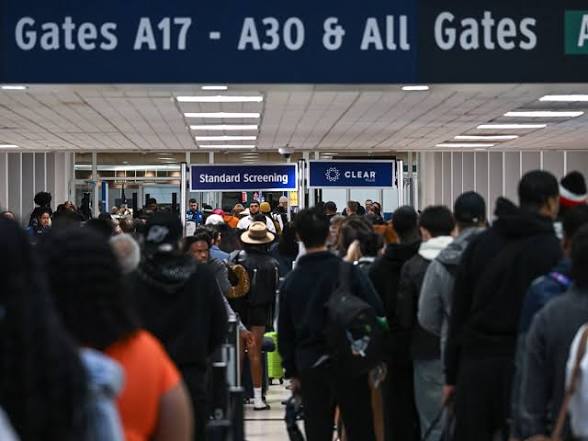
The United States is facing an unprecedented aviation disruption now widely described as the “ICE airport shock.” What began as a staffing crisis has rapidly escalated into a national debate over security, immigration enforcement, and travel safety.
With the sudden deployment of Immigration and Customs Enforcement (ICE) agents into airports, travelers are encountering long lines, confusion, and growing anxiety. This situation reflects deeper political tensions, funding battles, and a shifting approach to immigration enforcement.
In this article, we break down the security chaos, immigration crackdown, and the evolving US travel crisis, explaining what it means for passengers, policymakers, and global travel.
What Is the ICE Airport Shock?
The term ICE airport shock refers to the sudden decision to deploy ICE agents into US airports to assist overwhelmed Transportation Security Administration (TSA) staff.
This move came amid a severe staffing shortage caused by a prolonged Department of Homeland Security (DHS) funding crisis. As TSA workers went unpaid for weeks, many resigned or called in sick, leading to operational breakdowns.
To fill the gap, authorities announced that ICE agents would step in—not to screen passengers directly, but to support airport operations and security flow.
However, the decision triggered immediate controversy.
Why Airports Are in Chaos
1. TSA Staffing Collapse
At the heart of the crisis is a dramatic shortage of TSA personnel.
- Thousands of workers have either quit or taken leave
- Absentee rates surged far above normal levels
- Some airports were forced to shut security checkpoints
This has created massive bottlenecks in passenger screening.
2. Long Security Lines
Travelers across the US are facing extreme delays:
- Wait times exceeding 2–3 hours at major airports
- Over 1,300 flight delays nationwide
- Risk of airport closures in smaller regions
These disruptions are especially dangerous as the US enters a peak travel season.
3. Government Shutdown Impact
The crisis is closely tied to a political deadlock over DHS funding.
- Lawmakers failed to pass funding bills
- TSA employees missed paychecks
- Immigration policy disagreements stalled negotiations
As a result, airport security infrastructure weakened rapidly.
ICE Deployment: A Controversial Fix
What ICE Agents Are Doing
ICE agents are being deployed to:
- Guard airport exits
- Assist with crowd control
- Free TSA agents for screening tasks
They are not trained to operate screening equipment, which remains a key concern.
Criticism and Concerns
The move has sparked widespread backlash:
- Critics say ICE agents lack proper airport security training
- Civil rights groups warn of potential overreach
- Lawmakers fear misuse of immigration authority
Some leaders have described the move as risky and politically motivated.
Supporters’ Argument
Supporters argue that:
- Immediate action is needed to prevent airport shutdowns
- ICE provides additional manpower during crisis
- Passenger safety must come first
The debate reflects a broader divide over immigration enforcement in the US.
Immigration Crackdown Intensifies
The ICE airport deployment is not an isolated move—it’s part of a larger immigration strategy.
Recent operations have already increased ICE presence across the country, with thousands of arrests reported in enforcement campaigns.
Key Trends
- Expanded domestic enforcement
- Increased visibility of federal agents
- Stronger focus on undocumented immigrants
This shift has raised concerns about profiling, civil liberties, and the blending of immigration enforcement with civilian infrastructure like airports.
Impact on Travelers
1. Delays and Missed Flights
Passengers are experiencing:
- Missed connections
- Flight cancellations
- Extended airport waiting times
Many travelers now arrive hours earlier than usual just to clear security.
2. Increased Anxiety
The presence of immigration officers inside airports has created unease:
- International travelers fear additional scrutiny
- Immigrant communities feel targeted
- Confusion over authority and procedures
3. Economic Consequences
The travel chaos is affecting:
- Airlines (losses due to delays)
- Tourism industry
- Airport operations
Experts warn that prolonged disruption could impact the broader economy.
Airports Near Breaking Point
Officials have warned that some airports may face complete shutdowns if staffing shortages worsen.
- Smaller airports are at highest risk
- Major hubs are under extreme pressure
- Security checkpoints are already closing in some locations
This raises serious concerns about national transportation stability.
Political Battle Behind the Crisis
The ICE airport shock is deeply rooted in political conflict.
Key Issues
- Immigration reform disagreements
- Funding disputes for DHS
- Oversight of federal enforcement agencies
Both sides blame each other:
- One side argues for stronger enforcement
- The other demands accountability and reform
This stalemate has directly contributed to the travel crisis.
Security Risks and Questions
Are Airports Still Safe?
Despite the chaos, officials insist that security standards remain intact.
However, concerns include:
- Reduced screening efficiency
- Overworked personnel
- Lack of training among ICE agents
Experts warn that operational strain could increase vulnerabilities.
Blurring of Roles
Traditionally:
- TSA handles airport security
- ICE handles immigration enforcement
Now, those roles are overlapping—raising questions about:
- Jurisdiction
- Training
- Accountability
Public Reaction and Social Media Outrage
The crisis has gone viral online, with videos showing:
- Massive airport queues
- Frustrated passengers
- Heated confrontations
Public sentiment is divided:
- Some support stricter enforcement
- Others fear abuse of power
The situation continues to trend globally.
Future of US Air Travel
Short-Term Outlook
- Continued delays likely
- ICE presence may expand
- Political negotiations ongoing
Long-Term Implications
- Possible restructuring of airport security
- Increased role of federal agencies
- Changes in immigration enforcement policies
The outcome will depend heavily on political resolution.
What Travelers Should Do Now
If you are traveling to or within the US:
1. Arrive Early
Plan for at least 3–4 hours before departure.
2. Monitor Flight Status
Check for delays regularly.
3. Carry Proper Documentation
Ensure all travel documents are accessible.
4. Stay Updated
Follow airline and airport advisories.
Conclusion
The ICE airport shock represents a turning point in US travel and security policy. What started as a staffing issue has evolved into a complex crisis involving immigration enforcement, political conflict, and national infrastructure challenges.
As airports struggle to cope and policymakers debate solutions, travelers remain caught in the middle.
Whether this crisis leads to reform or deeper division remains to be seen—but one thing is clear: US air travel is undergoing a major transformation.
FAQs
1. What is the ICE airport shock?
It refers to the deployment of ICE agents in US airports amid a security staffing crisis.
2. Why are US airports experiencing delays?
Due to TSA staffing shortages caused by a government funding deadlock.
3. Are ICE agents screening passengers?
No, they assist with support roles, not direct screening.
4. Is it safe to travel in the US right now?
Yes, but delays and disruptions are common.
5. How long will the crisis last?
It depends on political agreements and funding resolution.
6. Can airports shut down completely?
Officials warn that smaller airports may close if staffing issues worsen.
How useful was this post?
Click on a star to rate it!
Average rating 0 / 5. Vote count: 0
No votes so far! Be the first to rate this post.
About the Author

usa5911.com
Administrator
Hi, I’m Gurdeep Singh, a professional content writer from India with over 3 years of experience in the field. I specialize in covering U.S. politics, delivering timely and engaging content tailored specifically for an American audience. Along with my dedicated team, we track and report on all the latest political trends, news, and in-depth analysis shaping the United States today. Our goal is to provide clear, factual, and compelling content that keeps readers informed and engaged with the ever-changing political landscape.