Human Rights Alarm: 19-Nation Visa Halt Draws Global Critics, U.S. Defends Move
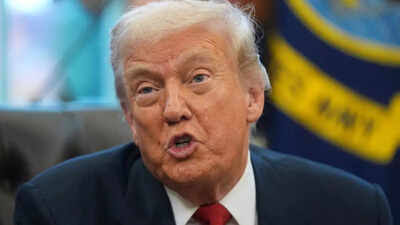
The Trump administration has halted immigration application processing for individuals from 19 countries, including green card requests. Today we will discuss about Human Rights Alarm: 19-Nation Visa Halt Draws Global Critics, U.S. Defends Move
Human Rights Alarm: 19-Nation Visa Halt Draws Global Critics, U.S. Defends Move
In December 2025, a seismic shift in U.S. immigration policy triggered an international uproar. The U.S. Citizenship and Immigration Services (USCIS), under the Trump administration, issued a sweeping order halting all immigration benefit applications ― including visas, green cards, asylum requests, student permits, and naturalization ― for citizens of 19 designated “high-risk” countries.
The move, described by many as one of the most far-reaching immigration freezes in modern American history, has raised serious alarms across the globe. Human-rights organizations, legal scholars, advocacy groups, and foreign governments accuse the United States of discrimination, xenophobia, and violating international human-rights obligations. Meanwhile, the administration insists the policy is a necessary national-security measure following a violent incident involving an immigrant from one of the listed nations.
This article examines the political justification, global reaction, human-rights concerns, and the profound consequences of this contentious decision — a decision many believe signals a turning point in global humanitarian norms.
What the Policy Does — and Who It Affects

The USCIS directive introduced an “adjudicative hold” on all immigration-related applications from citizens of 19 countries deemed “high risk.” This affects virtually every type of immigration pathway, including:
Green card applications
Humanitarian and family-based visas
Student and work visas
Refugee and asylum petitions
Naturalization applications
Crucially, the policy does not only impact individuals outside the United States. It also freezes applications already in progress by people currently living legally in the country. Many applicants — spouses of U.S. citizens, long-term residents, skilled workers, and refugees — suddenly find themselves in legal limbo.
The impacted countries include Afghanistan, Iran, Sudan, Eritrea, Libya, Somalia, Yemen, the Democratic Republic of Congo, Venezuela, Myanmar, Haiti, Cuba, Laos, and others with histories of conflict or political instability.
Why the U.S. Government Says the Freeze Is Necessary
U.S. officials defend the halt as a vital national-security measure. The policy arose after a violent incident in Washington, D.C., allegedly involving an Afghan national granted asylum. The administration claims current screening systems failed and must be reevaluated, with all individuals from the listed countries re-interviewed and re-vetted.
Officials insist the freeze is temporary but open-ended — remaining in place until a full security overhaul is complete.
But Critics See a Much Darker Picture
Human-rights defenders argue the policy:
Discriminates based solely on nationality
Punishes innocent people for the actions of one individual
Violates constitutional due process
Undermines international refugee protections
Creates fear and instability among vulnerable communities
These concerns have ignited a global human-rights alarm.
Global Human-Rights Backlash
The international response has been swift and scathing. Human-rights groups accuse the U.S. of weaponizing immigration law to stigmatize specific populations — mostly from African, Middle Eastern, and Asian nations.
Human Rights Organizations Speak Out
Major organizations argue the policy represents:
Collective punishment — treating entire nationalities as security threats
Racial and ethnic profiling masked as national security
Violation of refugee treaties and humanitarian norms
Failure of moral leadership by a global superpower
Advocates emphasize that people from the affected countries include some of the world’s most vulnerable populations: victims of war, political oppression, famine, terrorism, climate disasters, and persecution.
By shutting down legal and humanitarian avenues, the U.S. risks leaving countless individuals trapped in life-threatening conditions.
Immigrant Justice Groups Condemn the Impact on Families
Advocacy groups inside the U.S. note that the policy:
Separates spouses and children
Prevents long-awaited family reunifications
Halts citizenship processes for residents who have lived legally in the U.S. for years
Deepens fear among immigrant communities already facing hostility
They argue that the freeze does not increase safety — it merely inflicts trauma and destabilization on innocent people.
The Broader Context — Why This Moment Matters
This policy does not exist in a vacuum. It reflects broader trends shaping global politics and migration.
1. The Post-9/11 Legacy of Security-Driven Immigration Policy
Since 2001, U.S. immigration and national-security priorities have been deeply intertwined. The 2025 halt takes this to an extreme: instead of targeting individuals based on behavior or intelligence, it restricts entire nationalities.
This shift represents a significant expansion of executive authority over immigration enforcement.
2. The Global Refugee Crisis Is at a Historic High
Many of the targeted countries produce large numbers of refugees fleeing conflict, persecution, or economic collapse. Closing U.S. pathways to these groups sends a powerful message: the world’s largest economy may be unwilling to shoulder humanitarian responsibility.
This decision could ripple across other nations already considering tighter borders.
3. Rising Populism and Nationalism Worldwide
The halt aligns with a global surge in anti-immigration rhetoric driven by populist and nationalist movements. Critics warn that policies like this empower similar hardline actions internationally — contributing to an increasingly hostile environment for migrants and refugees.
4. Economic and Social Implications Inside the U.S.
Many sectors of the American economy depend on immigrant workers, including:
Healthcare
Technology
Agriculture
Scientific research
Education
By freezing visas and work authorizations, the U.S. risks labor shortages, delayed research projects, disrupted academic programs, and reduced innovation.
Legal Challenges and Domestic Pushback
The Courts Will Likely Play a Critical Role
Civil-rights groups are preparing lawsuits arguing the policy violates:
Equal protection
Due process
The Administrative Procedure Act
International asylum obligations
However, courts historically grant broad discretion to executive actions involving immigration. The outcome of legal challenges remains uncertain.
Political Divides Deepen
Some lawmakers condemn the freeze as:
Unconstitutional
Discriminatory
Morally indefensible
A betrayal of American values
Others support the administration’s national-security justification. The debate is likely to intensify as elections, court battles, and public protests unfold.
Consequences: What This Means for the World and the U.S.
1. Hundreds of Thousands Left in Legal Limbo
People who spent years following legal immigration steps now face indefinite delays. This includes:
Spouses of U.S. citizens
Vulnerable refugees
Children waiting for parental reunification
Professional workers with legally approved visas
Students enrolled in American universities
Many may lose work authorization, legal status, or the ability to travel or study.
2. Humanitarian Crises Could Worsen
If the U.S. closes its doors, other countries may feel pressured or emboldened to do the same. Refugees fleeing war or political turmoil might find fewer safe destinations — increasing risks of trafficking, exploitation, or dangerous migration routes.
3. Damage to U.S. Global Reputation
America has historically been viewed as a refuge for the oppressed. Human-rights advocates warn that this policy undermines:
The nation’s moral authority
Its leadership role in humanitarian issues
The credibility of its commitment to democratic values
Diplomatic tensions are likely to rise as affected nations protest discrimination against their citizens.
4. Domestic Economic Fallout
Visa freezes can hinder economic growth by limiting:
Skilled foreign labor
University enrollment
Scientific collaboration
Medical staffing
Global partnerships
Tech companies, hospitals, and universities have already expressed concerns about losing essential talent.
Why Advocates Call This a “Human Rights Alarm”
Human-rights experts describe this policy as an emergency warning for several reasons:
A. It Normalizes Nationality-Based Discrimination
Denying opportunities based on birthplace, rather than individual evaluation, contradicts modern human-rights standards.
B. It Weakens Global Refugee Protection Systems
If the U.S. — long a leader in asylum — retreats from humanitarian obligations, other nations may follow.
C. It Threatens the Rights and Dignity of Millions
People who fled persecution and survived conflict may now lose their final chance at safety.
D. It Signals a Shift Toward More Hardline Immigration Models
The freeze could inspire similar policies worldwide, creating a harsher environment for vulnerable populations.
What Happens Next? Key Scenarios to Watch
1. Legal Injunctions Could Halt the Policy Temporarily
Courts may block parts of the rule, particularly affecting people already inside the U.S.
2. Humanitarian Exemptions Could Be Introduced
Pressure from global and domestic advocates may force the administration to carve out exceptions for:
Children
Families
Medical cases
Long-pending applications
3. The Freeze Could Become a Long-Term Immigration Doctrine
If upheld, this could set precedent for future nationality-based restrictions.
4. Other Countries Could Follow the U.S. Lead
Global asylum systems may contract, leaving refugees with fewer options.
5. Humanitarian Crises May Intensify
More people may resort to dangerous migration routes as legal paths shrink.
Conclusion: A Critical Test for Human Rights and Global Responsibility
The 19-nation visa halt represents a critical moment in modern human-rights history. Beyond its immediate effects on applicants, families, and global migration, the policy raises profound ethical and humanitarian questions.
Will national security be used as a justification to erode refugee protections?
Will nations prioritize fear and division over fairness and compassion?
Will global leaders uphold the principles of human dignity — or allow them to fade?
For countless individuals whose futures now hang in the balance, this is not just a policy debate. It is a matter of life, safety, family, identity, and hope.
How useful was this post?
Click on a star to rate it!
Average rating 0 / 5. Vote count: 0
No votes so far! Be the first to rate this post.
About the Author

usa5911.com
Administrator
Hi, I’m Gurdeep Singh, a professional content writer from India with over 3 years of experience in the field. I specialize in covering U.S. politics, delivering timely and engaging content tailored specifically for an American audience. Along with my dedicated team, we track and report on all the latest political trends, news, and in-depth analysis shaping the United States today. Our goal is to provide clear, factual, and compelling content that keeps readers informed and engaged with the ever-changing political landscape.