HMP Frankland Chaos : Inmate Assaults, Critical Hospitalisation, Prison Violence
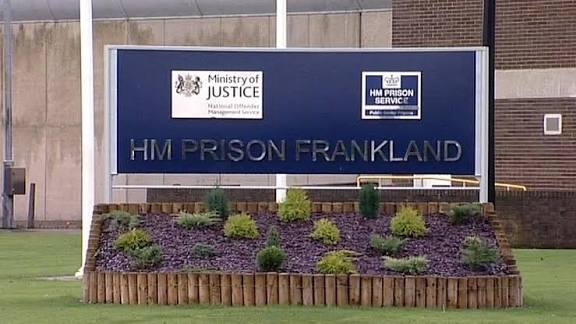
HMP Frankland is a Category A men’s prison housing some of Britain’s most dangerous and notorious offenders. Designed for high-risk individuals, its walls confine murderers, terrorists, and violent criminals who would threaten public safety if at large.
Yet, despite its secure status, Frankland has been rocked by a number of violent incidents in recent years—many serious enough to require hospitalisation or police investigation. These events have thrust the prison into the national spotlight, raising uncomfortable questions about violence in UK prisons and the capacity of the system to protect both staff and prisoners.
High-Profile Inmate Assaults at Frankland
1. Ian Huntley Hospitalised After Brutal Assault (2026)
One of the most significant recent incidents at HMP Frankland occurred on 26 February 2026, when convicted murderer Ian Huntley was violently attacked by another inmate.
According to multiple news reports, Huntley was struck with a metal object—described by some sources as a spiked metal pole—rendering him unconscious and leaving him in a pool of blood. Emergency services were called, and he was rushed to a hospital in critical condition. The assault was serious enough to prompt an active police investigation.
This attack is not an isolated event; Huntley has survived several violent incidents during his time in custody, including assaults involving boiling water and homemade weapons in previous years.
2. Internal Violence Between Inmates
Aside from attacks on high-profile prisoners, Frankland has experienced other internal violence:
In February 2026, another convicted murderer at Frankland attacked a fellow inmate with a hammer during a workshop session, leaving the victim with severe head injuries and requiring hospital treatment.
These incidents underscore a recurring pattern of violence among prisoners, often driven by inmate hierarchies, gang influences, or attempts to manipulate conditions (such as seeking segregation or isolation units).
Attacks on Prison Staff
Violence at Frankland has not been limited to inmates; prison officers and staff have also been targeted:
1. Manchester Arena Bomber’s Brother Assaults Officers
In April 2025, Hashem Abedi—the brother of the Manchester Arena bomber—launched a brutal attack on three prison officers at Frankland. He reportedly used hot cooking oil and improvised weapons, inflicting serious burns and stab wounds that required hospital treatment.
The seriousness of the attack led Counter Terrorism Policing North East and Durham Constabulary to open an investigation.
2. Calls for Enhanced Protective Measures
In the aftermath, prison officers and unions have demanded better protection, including stab-proof vests and enhanced training. The Prison Officers’ Association has publicly urged the Ministry of Justice to act quickly to reduce the risk to staff working in high-risk environments.
Responding to these concerns, the UK government announced plans to issue protective body armour to officers in high-security and separation units. This followed an independent snap review aimed at strengthening staff safety protocols.
Patterns of Violence Across UK Prisons
While Frankland’s incidents are troubling on their own, they reflect a broader escalation of violent behaviour in UK prisons:
A Ministry of Justice audit shows that assaults on prison staff across England and Wales reached record highs in recent years, with tens of thousands of incidents reported.
Increases in serious assaults highlight a growing trend that goes beyond isolated attacks, impacting day-to-day operations and morale among staff and inmates alike.
These nationwide patterns reveal that Frankland’s challenges are not unique, but they have become emblematic of broader issues surrounding safety, mental health, and prison overcrowding.
Factors Contributing to Violence in Frankland
Several intersecting factors contribute to repeated violence within HMP Frankland:
1. Inmate Demographics
Frankland houses a disproportionate number of offenders convicted of heinous crimes—murder, terrorism, sexual offences, and organised violence. These inmates often elicit hostility from others, especially those convicted of certain crimes, increasing the risk of attacks.
2. Separation and Segregation Units
Specialised units within the prison are designed to isolate the most dangerous and disruptive prisoners. However, the very existence of these units can create tension:
Prisoners may engage in violence to force transfers or secure placement within segregation units.
Separation units can become flashpoints for confrontation due to restricted routines and lack of social interaction.
3. Systemic Issues
Broader factors in the prison system also contribute:
Overcrowding and understaffing stretch resources thin, making it harder to supervise high-risk individuals closely.
Budget limitations and cuts have been cited as underlying pressures that reduce the available support for both inmates and officers.
Mental health challenges among prisoners can exacerbate violent tendencies.
Official Responses and Policy Implications
The pattern of violence at Frankland has sparked official concern and public debate:
1. Government Reviews and Safety Enhancements
Following the attack on staff in 2025, the UK government initiated a review into safety protocols and protective equipment for prison officers. Protective body armour is now being provided to those working in the most volatile units, a direct policy response to real risks faced by staff.
2. Calls for Systemic Reforms
Union leaders, politicians, and criminal justice advocates agree that incremental measures are insufficient—the UK prison system requires long-term reforms. These include:
Better risk assessment and segregation strategies
Enhanced mental health support for inmates
Strengthening staff training and retention
Reviewing resource allocation and prison budgets
These debates are ongoing and highlight deep structural challenges within the prison estate.
Public Reaction and Media Coverage
High-profile incidents like the assault on Ian Huntley have reignited public debate about prison safety, the treatment of notorious offenders, and how society balances punishment with protection for those inside and outside prisons.
Many media outlets have focused on the sensational aspects of violence, but experts emphasise that these events represent broader systemic pressures that require evidence-based policy responses.
Future Outlook: Safety, Policy, and Reform
Policymakers and prison administrators face significant decisions:
How to keep staff and inmates safe
Whether to expand protective gear measures
How to reduce violence without compromising rehabilitation
How to address underlying causes, including mental health issues and resource constraints
Without comprehensive reforms, the risk of further violent incidents will remain a persistent concern for UK prisons, particularly high-security facilities like HMP Frankland.
FAQs: HMP Frankland Violence Explained
Q1: What caused the most recent violent attack at HMP Frankland?
A: The attack on Ian Huntley in February 2026 involved an assault by another inmate using a metal object, leaving him critically injured and requiring hospitalisation. Investigations have been launched to determine the circumstances.
Q2: Have prison officers been targeted at Frankland?
A: Yes. In April 2025, three officers were seriously injured when convicted terrorist Hashem Abedi attacked them with hot oil and homemade weapons, highlighting risks faced by staff.
Q3: Is violence at Frankland part of a wider trend?
A: Yes. Numerous UK prisons have reported rising assaults on staff and inmates, with data showing record numbers of attacks in recent years.
Q4: What steps has the government taken?
A: The UK government has initiated safety reviews, begun issuing protective body armour to staff in high-risk units, and considered trials of additional tools like Tasers for trained personnel.
Q5: What are the biggest challenges for prison reform?
A: Key challenges include overcrowding, understaffing, mental health support, violent inmate populations, and budget constraints that limit effective supervision and safety measures.
Conclusion
HMP Frankland’s recent violent incidents have exposed deep challenges within the UK prison system. From inmate assaults resulting in hospitalisation to attacks on frontline staff, these episodes illustrate the complexities of managing high-risk offenders.
While policy responses such as protective gear and safety reviews are steps forward, lasting reform will require sustained political will, investment, and innovative approaches to prison safety and rehabilitation.
As Britain watches events at Frankland unfold, the broader questions about justice, security, and humanity within the penal system remain firmly in the spotlight.
How useful was this post?
Click on a star to rate it!
Average rating 0 / 5. Vote count: 0
No votes so far! Be the first to rate this post.
About the Author

usa5911.com
Administrator
Hi, I’m Gurdeep Singh, a professional content writer from India with over 3 years of experience in the field. I specialize in covering U.S. politics, delivering timely and engaging content tailored specifically for an American audience. Along with my dedicated team, we track and report on all the latest political trends, news, and in-depth analysis shaping the United States today. Our goal is to provide clear, factual, and compelling content that keeps readers informed and engaged with the ever-changing political landscape.