HM Passport Office Alert : Passport Scam Warning, Fake Sites Risk
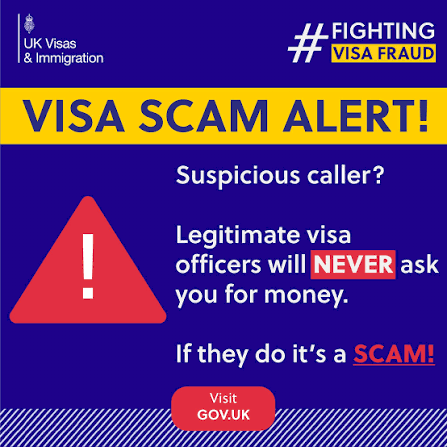
The HM Passport Office alert highlights a rise in fraudulent websites pretending to offer passport services. These sites often appear professional and may even show official-looking logos, government seals, or similar domain names.
Their main objective is to collect personal data or charge extra fees for services that should only be handled through official government channels.
Many users discover these sites while searching online for passport renewals or applications. Sometimes these fake websites even appear at the top of search results through advertisements or search engine optimization tactics.
Authorities warn that these platforms may request:
Passport details
Personal identification information
Credit card details
Additional processing fees
Once criminals obtain this information, it can be used for identity theft or financial fraud.
How Passport Scam Websites Work
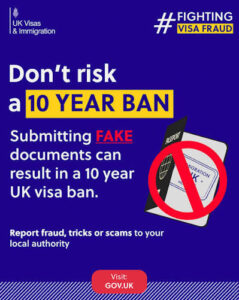
Passport scams follow a simple but effective strategy. Fraudsters create websites that imitate official government portals and advertise services such as fast passport renewal or urgent travel documents.
These sites often claim they can speed up the passport process or guarantee approval. In reality, they either charge unnecessary fees or disappear after collecting money.
Some scams operate in slightly different ways:
1. Fake Government Websites
Criminals build websites that closely resemble official government platforms. The design, language, and branding may appear legitimate.
The domain name may include words like:
passport
visa
government
official
But the website address often contains small spelling changes or unusual extensions.
2. Third-Party Processing Scams
Some websites claim to help submit passport applications on your behalf. They charge high service fees but ultimately provide nothing beyond publicly available forms.
Government authorities warn that passport application forms are usually free, so charging for them is often a red flag.
3. Phishing Websites
Phishing sites collect sensitive information such as:
date of birth
passport number
address
payment information
The data may later be sold to criminals or used in identity fraud schemes.
Why Passport Scams Are Increasing
Several factors explain the growing number of passport scams online.
Rising Travel Demand
After pandemic restrictions eased, millions of people began applying for new passports or renewing expired ones. Increased demand created an opportunity for scammers.
Online Applications
Most passport services now operate online. While convenient, this digital system also provides an easy target for cybercriminals.
Search Engine Manipulation
Fraudulent websites often use advertising and search engine optimization to appear in top search results.
Many people assume the first link they see is the official government website, which scammers exploit.
Real Risks of Fake Passport Websites
Passport scams are not just about losing money. They can have serious consequences.
Identity Theft
Personal details such as passport numbers, birthdates, and addresses can be used to open bank accounts or commit fraud.
Financial Loss
Victims often pay large fees for services that never exist. Some scammers charge hundreds of dollars.
Data Breaches
Sensitive personal information may be stored in criminal databases and reused in other scams.
Delayed Travel
Victims may believe they have successfully applied for a passport, only to discover later that no application was submitted.
This can lead to missed travel plans and costly delays.
Common Signs of Fake Passport Websites
Recognizing the warning signs is the best way to avoid passport scams.
Authorities recommend checking websites carefully before submitting any information.
Suspicious Website Addresses
Fake websites often use slightly altered domain names or extra characters in the URL.
Lack of Secure Connection
Legitimate websites usually use secure connections marked with https and a lock symbol.
Poor Design Quality
Low-resolution images, mismatched fonts, and broken links may indicate a fraudulent site.
Requests for Sensitive Information
Official agencies never ask for passwords, OTPs, or bank details through pop-ups or emails.
Urgent or Unrealistic Offers
Scammers often pressure users with phrases such as:
“Apply now before the deadline”
“Guaranteed fast passport approval”
“Special travel emergency processing”
These tactics are designed to rush victims into making quick decisions.
How to Verify Official Passport Websites
To stay safe online, always confirm that you are using the official government portal.
Here are some practical steps:
Check the domain carefully – Official government websites usually end with trusted domain extensions like .gov or government-specific domains.
Type the website address manually instead of clicking links in emails or ads.
Avoid sponsored search results that may promote third-party services.
Verify through government announcements or trusted news sources.
Never share sensitive details unless you are certain the site is official.
These simple precautions can prevent most passport-related scams.
Government Efforts to Combat Passport Scams
Authorities across multiple countries are working to stop passport fraud and identity theft.
Measures include:
Cybercrime Investigations
Law enforcement agencies regularly investigate networks that create fake websites or fraudulent passport services.
For example, police in India recently arrested individuals involved in a fraudulent passport application racket, which used fake addresses to obtain multiple passports illegally.
Public Awareness Campaigns
Government agencies frequently release warnings and alerts to educate citizens about online scams.
Website Takedowns
Cybersecurity teams work with domain registrars and hosting companies to shut down fraudulent websites.
However, scammers often create new domains quickly, making ongoing vigilance necessary.
How Travelers Can Protect Themselves
Staying safe online requires awareness and cautious behavior.
Here are the most effective ways to avoid passport scams.
Always Use Official Websites
Apply for or renew passports only through official government portals.
Avoid Sharing Personal Details
Never provide personal or financial information unless you are certain the website is legitimate.
Watch for Fake Emails or Messages
Scammers may send emails claiming there is a problem with your passport application.
Always verify the sender before responding.
Use Secure Internet Connections
Avoid submitting personal information on public Wi-Fi networks.
Monitor Financial Accounts
If you suspect fraud, immediately monitor your bank accounts and credit reports.
What to Do If You Fall Victim to a Passport Scam
If you believe you have used a fraudulent passport website, take action immediately.
Contact Your Bank
Report any suspicious charges or payments made to the scam website.
Report the Fraud
Notify the relevant government authorities or cybercrime agencies.
Protect Your Identity
Monitor credit activity and consider identity theft protection services.
Change Passwords
Update passwords on any accounts where similar credentials may have been used.
Taking quick action can reduce the potential damage from identity theft.
The Role of Digital Awareness
The HM Passport Office alert highlights a larger issue in today’s digital world: online scams are becoming increasingly sophisticated.
Fraudsters invest significant effort into making fake websites appear authentic. Many victims only realize the deception after financial or personal damage has already occurred.
Digital awareness and careful online behavior are the strongest defenses against such scams.
Governments, technology companies, and individuals must work together to improve cybersecurity awareness and protect sensitive personal data.
Conclusion
The HM Passport Office alert serves as a crucial reminder that online passport scams are a serious and growing threat.
Fake passport websites can steal personal information, charge unnecessary fees, and cause major travel disruptions. As cybercriminals continue to refine their tactics, travelers must stay vigilant when applying for or renewing passports online.
By using official government websites, verifying online sources, and recognizing common scam warning signs, individuals can protect themselves from falling victim to fraudulent passport services.
In the digital age, awareness and caution remain the most effective tools for staying safe online.
FAQs
What is the HM Passport Office alert about?
The HM Passport Office alert warns people about fake websites and scams pretending to offer passport services online.
How do passport scam websites trick users?
Scammers create fake government-looking websites that collect personal data or charge unnecessary fees for passport applications.
How can I identify a fake passport website?
Look for suspicious URLs, poor website design, requests for sensitive information, and unrealistic promises such as guaranteed fast passport approval.
Is it safe to use third-party passport services?
Some third-party services are legitimate but often charge unnecessary fees. It is safest to use official government websites directly.
What should I do if I entered my information on a fake passport site?
Contact your bank, report the fraud to authorities, monitor your credit activity, and change any related passwords immediately.
How useful was this post?
Click on a star to rate it!
Average rating 0 / 5. Vote count: 0
No votes so far! Be the first to rate this post.
About the Author

usa5911.com
Administrator
Hi, I’m Gurdeep Singh, a professional content writer from India with over 3 years of experience in the field. I specialize in covering U.S. politics, delivering timely and engaging content tailored specifically for an American audience. Along with my dedicated team, we track and report on all the latest political trends, news, and in-depth analysis shaping the United States today. Our goal is to provide clear, factual, and compelling content that keeps readers informed and engaged with the ever-changing political landscape.