Hezbollah : Israel Border War, Iran Proxy Clash, Middle East Explosion Risk
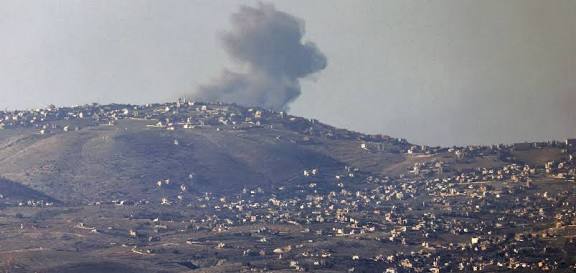
Since early March 2026, the Hezbollah–Israel frontline in Lebanon has erupted into one of the most serious regional confrontations in years — and the implications extend far beyond the narrow geographic border between the two actors. This conflict, rooted in decades of hostility and intertwined with broader Iran–Israel tensions, now risks destabilizing the entire Middle East landscape. Here’s why.
📍 Background: Hezbollah and Its Proxy Role in the Middle East
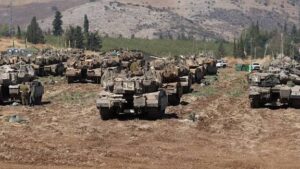
Hezbollah is a Shia Islamist political and militant organization based in Lebanon, founded in the 1980s with substantial backing from the Islamic Republic of Iran. Over decades, it has grown into one of the most powerful non-state armed groups in the world, forming a central pillar of Iran’s so-called “Axis of Resistance” against Israel and Western influence in the region.
Although Lebanon’s government and military institutions nominally stand as sovereign authorities, Hezbollah has long operated its own military infrastructure, deeply embedded within southern Lebanon and Beirut’s suburbs. Its relationship with Iran allows Tehran to exert influence in multiple theaters, including Lebanon, Syria, Iraq, and Yemen.
🪖 The 2026 Escalation: Latest Flashpoint
On March 2, 2026, Hezbollah launched a barrage of missiles and drones at northern Israel — marking a decisive shift in its engagement following a long ceasefire since the 2024 Lebanon war. The trigger, according to multiple reports, was the assassination of Iran’s Supreme Leader, Ayatollah Ali Khamenei, in a joint U.S.–Israeli operation, which Hezbollah framed as a grievous attack on its principal patron.
In response, the Israel Defense Forces (IDF) launched widespread strikes across southern Lebanon and Beirut’s southern suburbs — key Hezbollah strongholds — killing dozens and injuring scores in Lebanon.
These confrontations have disrupted daily life for civilians in northern Israel and southern Lebanon alike, prompting evacuations and humanitarian fears.
🧨 Why This Matters: Beyond a Border Skirmish
At first glance, the exchange between Israel and Hezbollah might resemble historic cross-border tit-for-tat. However, several critical factors elevate the stakes:
🧠 1. This Is Part of a Broader Iran–Israel Proxy Clash
Hezbollah is not acting in isolation — it is deeply enmeshed in the broader Iran–Israel geopolitical struggle. Tehran views the group as its most effective regional proxy capable of pressuring Israel from the north, leveraging Lebanon’s geographical position.
That alliance means Hezbollah’s actions are not just about Lebanese security or local grievances; they are part of a Iran’s asymmetric response strategy against Israeli conventional military superiority.
Iran’s involvement as a sponsor has ensured Hezbollah remains heavily armed with missiles, drones, and rockets — estimates suggest tens of thousands of launchers and a formidable long-range arsenal.
🗺️ 2. Spillover Risk: From Border Fire to Regional War
The danger now facing the Middle East is not limited to isolated skirmishes along the Lebanon–Israel border. Multiple dynamics could amplify the conflict:
🔹 a. Escalation with Iran
Israel has framed its strikes as both a response to Hezbollah and a component of its broader campaign against Iran’s influence and military reach. As these hostilities continue, Tehran could escalate through other proxies or direct action — creating a wider regional war.
🔹 b. Diplomatic Fallout
Countries across the Middle East — from Saudi Arabia to Gulf monarchies — have already registered diplomatic protests in relation to Iranian actions in the region, straining inter-state relations and raising the possibility of wider political realignment.
🔹 c. Strategic Geopolitical Chokepoints
The ongoing crisis in the Strait of Hormuz, where Iran has effectively curtailed shipping as tensions have mounted, shows how regional instability could trigger global economic consequences, affecting energy markets and international trade.
🧑🤝🧑 Internal Pressures in Lebanon
Interestingly, Lebanon’s own leadership has publicly urged Hezbollah not to drag the nation into full-blown war — and has even passed political moves banning unauthorized militia actions by Hezbollah on Lebanese soil.
This internal Lebanese political divergence illustrates the precarious position Beirut finds itself in: caught between powerful non-state actors and national interests that risk being overshadowed by regional conflict dynamics.
🇮🇱 Israel’s Strategy and Defensive Measures
Israel has consistently responded to Hezbollah threats with a combination of military pressure and technological innovation. Notably, Israel has deployed advanced missile defense systems — including the recently operational Iron Beam laser interception system — to neutralize incoming threats from Hezbollah.
Israeli military leaders have also signaled a longer-term offensive campaign aiming to degrade Hezbollah’s operational capabilities and deter future engagements.
However, such strategies risk escalating hostilities further if Hezbollah continues to receive resupply from Iranian networks or if Tehran directs broader region-wide retaliation.
📌 What Comes Next? Future Scenarios
Given the volatile mix of regional interests and military capacities, analysts see several possible futures:
🔹 1. Limited Escalation and Diplomatic De-escalation
In this scenario, international diplomatic efforts (possibly through the U.N. or regional intermediaries) might pressure both Israel and Hezbollah to stand down, containing the clash back to a border conflict.
🔹 2. Widening of the War Across Multiple Fronts
Should Iran choose to respond more forcefully — possibly by empowering other proxies beyond Hezbollah (such as in Syria or Iraq), or directly targeting Israeli assets — the conflict could spread to multiple fronts with more devastating consequences.
🔹 3. Prolonged Stalemate and Attrition
Prolonged low-intensity conflict could continue without decisive victory by either side, much like the recent years of low-level hostilities — draining resources, increasing civilian casualties, and entrenching mistrust.
📌 Human Cost and Civilian Impact
A critical but often underreported dimension is the human toll. Armed conflict along the Israel-Lebanon border invariably affects civilian communities on both sides. Cities and towns have experienced displacement, property destruction, and economic disruption — outcomes that only fuel deeper resentment and cycle of violence.
🔎 FAQs
Q1. Why is Hezbollah considered a major security threat to Israel?
Hezbollah possesses a large arsenal of rockets, missiles, and drones supplied and facilitated by Iran, enabling it to strike deep into Israeli territory and strain Israel’s defense systems.
Q2. What triggered the 2026 escalation between Israel and Hezbollah?
The recent escalation began with Hezbollah’s missile and drone strikes in retaliation for Iran’s Supreme Leader’s assassination — which Hezbollah viewed as a direct attack on its principal sponsor and ideological backbone.
Q3. How does Iran influence the Hezbollah–Israel border conflict?
Iran funds, trains, and supplies Hezbollah, using it as a proxy to counter Israeli military superiority, project influence, and counterbalance Western alliances in the Middle East.
Q4. Could this border conflict ignite a larger Middle East war?
Yes — the involvement of proxies like Hezbollah, intertwined with broader Iran–Israel tensions and actions in the Gulf and beyond, raises the risk of a wider regional conflagration.
Q5. What role do other Middle Eastern countries play?
Countries such as Saudi Arabia and Gulf states are diplomatic actors whose positions may influence alliances. Their reactions to Iranian behavior could shape further escalation or containment strategies.
🔚 Conclusion
The new outbreak of Hezbollah–Israel hostilities marks a critical juncture in Middle Eastern geopolitics — where local border warfare intersects with global proxy battlegrounds. Iran’s strategic use of Hezbollah as a proxy, Israel’s determination to neutralize perceived threats, and the fragile politics of Lebanon all converge to create a volatile situation. Unless diplomatic channels, regional pressures, or international interventions effectively de-escalate tensions, the risk that this conflict ignites a broader Middle East explosion remains alarmingly high.
How useful was this post?
Click on a star to rate it!
Average rating 0 / 5. Vote count: 0
No votes so far! Be the first to rate this post.
About the Author

usa5911.com
Administrator
Hi, I’m Gurdeep Singh, a professional content writer from India with over 3 years of experience in the field. I specialize in covering U.S. politics, delivering timely and engaging content tailored specifically for an American audience. Along with my dedicated team, we track and report on all the latest political trends, news, and in-depth analysis shaping the United States today. Our goal is to provide clear, factual, and compelling content that keeps readers informed and engaged with the ever-changing political landscape.