Heating Oil Support : emergency aid rollout, energy bill crisis, war price shock

The global energy market is once again facing a dramatic upheaval as geopolitical tensions push oil prices higher. Governments are scrambling to respond as millions of households struggle with soaring heating costs. In many regions, emergency programs known collectively as heating oil support packages are being rolled out to help vulnerable families manage their energy bills.
The latest crisis has been triggered by escalating conflict in the Middle East, which has disrupted global oil supply routes and triggered a sharp rise in crude and refined fuel prices. The impact has been particularly severe for households that rely on heating oil, especially in rural areas where alternatives such as natural gas pipelines are unavailable.
As governments rush to introduce relief measures, the heating oil support debate has become central to discussions about energy security, affordability, and economic stability.
The Energy Price Shock Triggering the Crisis

Energy markets have been highly volatile in recent weeks. Analysts say the current price surge stems from disruptions linked to the ongoing Middle East conflict, which has pushed oil prices sharply upward.
Between late February and mid-March, wholesale gas prices jumped about 67% while oil prices rose roughly 35%, creating immediate pressure on household energy costs.
One major concern is the impact on the Strait of Hormuz, a crucial global shipping route through which about one-fifth of the world’s oil and gas supply passes. Supply fears and shipping disruptions have triggered panic buying in energy markets.
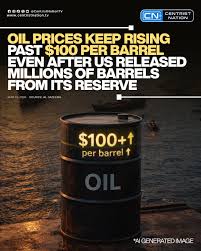
Governments and international organizations have attempted to stabilize the market by releasing emergency oil reserves. The International Energy Agency has coordinated the release of hundreds of millions of barrels of oil from global stockpiles to prevent prices from spiraling further.
Despite these interventions, household energy costs have already surged, particularly in regions where heating oil is widely used.
Why Heating Oil Households Are Hit Hardest
Unlike electricity and natural gas customers in many countries, households that rely on heating oil often operate outside regulated price caps. This means their fuel costs can change rapidly when global oil prices fluctuate.
Several factors make heating oil users especially vulnerable:
1. Lack of Price Caps
Many regulatory frameworks only cover electricity and natural gas. Heating oil prices are often determined by global fuel markets.
2. Rural Dependence
Heating oil is widely used in rural and off-grid areas where gas pipelines are not available.
3. Upfront Payment Requirements
Unlike monthly utility bills, heating oil typically requires households to buy large quantities in advance.
4. Market Volatility
Because heating oil is derived from petroleum, its price is closely tied to crude oil markets.
Recent data shows heating oil prices rising dramatically. In some regions, the cost of 1,000 litres surged to nearly £985 compared with about £670 earlier in the year, illustrating how quickly costs can escalate during global crises.
For families already facing cost-of-living pressures, these increases can be devastating.
Emergency Heating Oil Support Programs
In response to the crisis, governments have begun rolling out emergency heating oil support packages aimed at protecting vulnerable households.
One of the most prominent examples comes from the United Kingdom, where authorities announced a £53 million emergency support package to help households facing rising heating costs.
The support targets homes that rely on kerosene heating oil and are not covered by energy price caps.
Key Details of the Support Plan
The emergency package includes:
£27 million allocated for England
£17 million for Northern Ireland
£4.6 million for Scotland
£3.8 million for Wales
Funds will be distributed through local governments and targeted at low-income households and vulnerable residents.
Officials say the goal is to ensure families can continue heating their homes and accessing hot water during the crisis.
Who Will Benefit from Heating Oil Support?
Millions of households rely on heating oil, particularly in rural communities.
Estimates suggest that about 1.5 to 1.7 million homes depend on oil-based heating systems in the UK alone.
These homes are typically located in:
Rural England
Northern Ireland
Remote Scottish communities
Isolated villages without gas infrastructure
Northern Ireland is especially affected, where more than 60% of homes rely on heating oil, making the region particularly vulnerable to price spikes.
For many of these households, emergency heating oil support could mean the difference between staying warm and falling into fuel poverty.
Investigations Into Energy Market Practices
Alongside financial aid, governments are also investigating potential price manipulation in the heating oil market.
Competition regulators have begun examining reports that some suppliers may be taking advantage of the crisis to increase prices excessively.
Authorities warn that companies found exploiting the situation could face legal action and stronger regulatory oversight.
Officials have also discussed introducing new consumer protections, including:
Greater price transparency
Oversight mechanisms similar to energy regulators
Consumer complaint systems and ombudsman services
These reforms aim to ensure households receive fair treatment during energy crises.
The Global Cost-of-Living Impact
The heating oil crisis is part of a broader cost-of-living shock triggered by rising energy prices.
Higher fuel costs affect far more than home heating. They also increase:
Transportation costs
Food production expenses
Manufacturing costs
Electricity generation costs
This ripple effect pushes inflation higher and reduces household purchasing power.
Economists warn that energy shocks have historically triggered recessions and economic instability. When energy costs rise quickly, businesses and consumers alike struggle to absorb the increased expenses.
Governments Worldwide Respond to Energy Price Surges
The heating oil support initiatives seen in the UK are part of a wider global trend.
Governments across Europe and Asia are introducing emergency measures to protect consumers from rising fuel costs. These include:
Direct energy subsidies
Fuel price caps
Emergency fuel releases
Tax reductions on energy products
Some countries are also considering energy vouchers or targeted payments to help vulnerable households pay their bills.
These policies aim to prevent widespread energy poverty during the crisis.
The Long-Term Energy Security Debate
While emergency aid can provide immediate relief, policymakers say the current crisis highlights deeper structural issues in global energy systems.
Dependence on fossil fuels and geopolitically sensitive supply routes makes energy markets vulnerable to shocks.
Experts argue that long-term solutions may include:
1. Renewable Energy Expansion
Increasing solar, wind, and other renewable sources reduces reliance on imported oil.
2. Home Energy Efficiency
Improving insulation and heating systems lowers household energy consumption.
3. Electrification of Heating
Heat pumps and electric systems can reduce dependence on heating oil.
4. Strategic Energy Reserves
Maintaining fuel stockpiles helps stabilize markets during crises.
However, these changes require years of investment and policy reform.
Energy Poverty Risks During the Crisis
One of the most worrying consequences of the heating oil price shock is the potential rise in energy poverty.
Energy poverty occurs when households cannot afford to heat their homes adequately. It is linked to several serious social issues, including:
Health problems caused by cold homes
Increased mortality during winter
Financial stress and debt
Reduced quality of life
Rural communities are particularly vulnerable because they often rely on older homes that are harder to heat efficiently.
Experts warn that without adequate support programs, energy poverty could increase significantly during the current crisis.
What Households Can Do to Reduce Heating Costs
While government aid programs can provide relief, households can also take steps to reduce heating costs.
Common recommendations include:
Adjust Thermostat Settings
Keeping indoor temperatures between 18–21°C can reduce heating bills while maintaining comfort.
Improve Insulation
Adding insulation to walls, roofs, and windows helps retain heat.
Maintain Heating Systems
Regular servicing improves efficiency and reduces fuel consumption.
Buy Fuel Strategically
Purchasing heating oil during lower-price periods can help reduce costs.
Although these measures cannot eliminate the impact of rising fuel prices, they can help households manage their energy expenses more effectively.
The Future of Heating Oil Support Programs
The current crisis could reshape how governments approach energy support policies.
Some policymakers believe emergency heating oil support schemes may become permanent features of social welfare systems. Others argue that long-term solutions should focus on reducing dependence on oil-based heating altogether.
In the coming months, governments will likely face difficult decisions about:
Expanding financial aid
Introducing energy market regulations
Accelerating renewable energy investments
Reforming energy pricing systems
What is clear is that energy affordability will remain a major political and economic issue as global energy markets continue to fluctuate.
Conclusion
The heating oil support measures being introduced today represent a critical response to one of the most severe energy price shocks in recent years. Rising oil prices triggered by geopolitical conflict have placed enormous financial pressure on households that rely on heating oil.
Emergency government aid programs aim to protect vulnerable families from falling into energy poverty. However, the crisis also highlights deeper structural challenges in global energy systems.
As the world grapples with volatile fuel markets and geopolitical uncertainty, policymakers must balance short-term relief with long-term energy security strategies.
For millions of households facing rising energy bills, heating oil support programs could provide essential relief during a period of economic turbulence.
FAQs
What is heating oil support?
Heating oil support refers to government financial assistance programs designed to help households pay for heating oil during periods of high energy prices.
Why are heating oil prices rising?
Heating oil prices are increasing due to global oil market disruptions, including geopolitical conflicts that affect supply routes and production.
Who qualifies for heating oil support?
Typically, low-income households and residents in rural areas that rely on heating oil for home heating qualify for support programs.
How much financial aid is available?
Some programs provide tens of millions in funding for affected households, with local governments distributing payments to vulnerable families.
Why are heating oil users more vulnerable to price shocks?
Heating oil users are often not protected by energy price caps and must buy fuel in bulk, making them more exposed to global oil price fluctuations.
Will heating oil prices fall soon?
Energy analysts say prices may remain volatile as long as geopolitical tensions disrupt oil markets.
How useful was this post?
Click on a star to rate it!
Average rating 0 / 5. Vote count: 0
No votes so far! Be the first to rate this post.
About the Author

usa5911.com
Administrator
Hi, I’m Gurdeep Singh, a professional content writer from India with over 3 years of experience in the field. I specialize in covering U.S. politics, delivering timely and engaging content tailored specifically for an American audience. Along with my dedicated team, we track and report on all the latest political trends, news, and in-depth analysis shaping the United States today. Our goal is to provide clear, factual, and compelling content that keeps readers informed and engaged with the ever-changing political landscape.