Gun Control Debate Explodes: New Legislation Sparks Heated Public Response
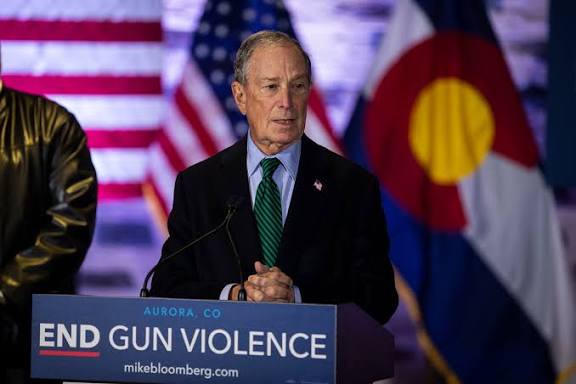
While there is no new federal legislation likely to be passed by both houses of the US Congress in 2024 or 2025 that fundamentally changes gun control laws. Today we will discuss about Gun Control Debate Explodes: New Legislation Sparks Heated Public Response
Gun Control Debate Explodes: New Legislation Sparks Heated Public Response
In recent years, the debate over gun control has erupted anew across many countries, fueled by rising incidents of mass shootings, political polarization, and fresh legislation. In 2025, a wave of new laws, judicial decisions, and public reactions have kindled intense controversies, reigniting fundamental questions about safety, civil rights, and the role of government. This article explores the anatomy of the debate: the legislative developments, the competing arguments, evidence and uncertainty, and the broader global context.
Recent Legislative Developments & Flashpoints

U.S.: New Laws, Legal Battles, and Institutional Shifts
In 2025, a significant development came when the U.S. Department of Justice announced plans to create a new office — the Second Amendment Rights Section — within its Civil Rights Division, to review and challenge local and state laws that, in its view, infringe on the constitutional right to bear arms.
Simultaneously, the courts have weighed in. In March 2025, the United States Supreme Court upheld a federal regulation on “ghost guns” — weapons assembled from kits or parts rather than factory-produced firearms. Under the rule, such kits require serialization, licensing, and background checks. The court’s 7–2 decision overturned a lower court’s attempt to strike down the regulation — a win for gun-control advocates, particularly law-enforcement agencies concerned about untraceable firearms in crimes.
On the state level, several states have expanded or instituted “red flag” laws — legal mechanisms allowing courts to temporarily remove guns from individuals deemed dangerous. For instance, in one state, nearly 300 no‑gun orders were issued after a red-flag law took effect.
These developments come against a backdrop of renewed public pressure to address gun violence — especially mass shootings and school shootings. Some states have introduced new laws aimed at school safety and gun restrictions for younger buyers (for example, raising minimum ages for rifle purchases, background checks, and stricter sale regulations).
This confluence of judicial rulings, administrative actions, and state-level legislation has triggered a renewed national debate — with advocates on both sides mobilizing for what could shape the trajectory of gun rights and public safety for years to come.
International / Comparative Context
The debate is not restricted to the United States. Different nations adopt different approaches to arms regulations — with widely varying consequences.
Many countries treat private weapon possession as a privilege rather than a right, tightly regulating acquisition, storage, and use. Nations with stricter controls, robust enforcement, and comprehensive background checks often report lower levels of gun violence compared with countries with lenient regulation.
In countries where gun laws are strict and enforced — including barriers to obtaining licenses, mandatory registration, and restricted carrying — firearms-related deaths tend to be lower than nations where guns are widely available.
The recent wave of US legislation and debate highlights the contrast between the American model — built on constitutional rights and a long‑standing “gun culture” — and the regulatory frameworks seen elsewhere.
Core Arguments in the Debate
As new laws spark public reaction, the fundamental arguments for and against gun control have resurfaced in force.
Arguments for Stricter Gun Control
Reducing Gun Deaths and Mass Shootings
Advocates argue that stricter laws — universal background checks, bans on untraceable “ghost guns,” red-flag laws, assault-weapon bans — can reduce gun-related deaths including homicides, suicides, accidental shootings, and mass shootings.
Empirical research supports some of these claims: states implementing stronger gun-safety laws tend to have lower rates of gun violence.
Gun violence disproportionately affects marginalized, low-income urban neighborhoods — areas often plagued by crime, poor policing, and limited social services. Many view gun regulation as a public health and social justice issue.
Public Safety and Prevention
Policies such as extreme‑risk protection orders (red‑flag laws) and restrictions on weapon conversion devices aim to prevent firearms from ending up with those who pose danger — whether due to mental health issues, domestic violence, or criminal intent.
For many citizens — especially victims of gun violence, families of victims, communities hit by mass shootings — gun control represents a way to reclaim a sense of safety and shared responsibility.
Public Support for “Common-Sense” Measures
Surveys indicate that a significant portion of Americans support stricter gun laws. Roughly 58% of US adults favor tougher regulation, with only a minority calling for less strict laws.
The political momentum for new gun legislation — including restrictions on ghost guns, enforcement of background checks, and red-flag laws — reflects this public sentiment.
Prevention of Illegal and Untraceable Weapons
The regulation of ghost guns — firearms assembled from kits without serial numbers — has become a key battleground, given their rising use in crime. The 2025 Supreme Court decision upholding restrictions on ghost guns is seen as a significant step in preventing untraceable firearms from spreading.
Arguments Against Stricter Gun Control
Right to Self‑Defense and Civil Liberties
Many opponents argue that firearms ownership is a fundamental individual right — often enshrined constitutionally (e.g., the Second Amendment in the U.S.). Restricting this right is viewed as an infringement on personal liberty, self-defense, and protection of property.
For certain individuals — especially those perceiving themselves at risk — access to weapons is seen as essential for personal security, not a luxury.
Ineffectiveness and Unintended Consequences
Critics argue that laws mainly affect law‑abiding citizens while criminals — by definition — ignore laws. Hence, gun control may make civilians more vulnerable while failing to deter or prevent crime.
Some empirical studies claim that certain measures (background checks, bans, waiting periods) do not conclusively reduce mass shootings or violent crime.
Opponents also warn about the potential for government overreach: turning citizens into felons for lawful behavior, disproportionately affecting marginalized communities, and eroding civil liberties over time.
Cultural and Historical Arguments: Gun Rights as Part of Identity
In countries like the U.S., gun ownership has a deep cultural meaning tied to history, frontier tradition, self-reliance, and independence. Many view gun ownership as more than a right — as a core part of their identity and protection against tyranny.
For some, gradual restrictions are seen as the first step toward disarmament of citizens — a slippery slope toward authoritarian control.
What Evidence (and Research) Actually Shows — and Where It Is Uncertain
Research indicates that in states with stronger gun‑safety laws, there tend to be fewer gun-related homicides and deaths.
Laws such as red‑flag provisions, waiting periods, safe‑storage requirements, and restrictions on untraceable weapons are associated with reductions in suicides, accidental shootings, and gun violence among minors or high-risk individuals.
However, for many measures — including bans on certain weapon types, carrying laws, registration, or assault‑weapon restrictions — the evidence is mixed or inconclusive.
One promising alternative: community-based violence prevention programs have shown measurable reductions in shootings and provide strong cost-benefit returns.
Overall: evidence supports the notion that “gun-safety policies save lives,” but the degree of effectiveness varies widely depending on the policy, enforcement, context, and societal conditions.
Why the Debate Explodes: Political, Social & Cultural Factors
Polarization & Identity Politics
Gun control is no longer just a public safety issue — in many contexts, it is a proxy for broader political identity, personal freedom, distrust of government, and social division. Recent legislation reflects a political prioritization of gun rights as civil rights — a move that supporters view as defending constitutional liberties, while critics fear it could erode gun-safety gains.
Additionally, some legislative changes have come amid broader shifts — such as loosening of background checks and removal of certain controls. These shifts have sparked accusations that regulatory oversight is being weakened.
Public Pressure, Fear, and Safety Concerns
Mass shootings, school shootings, and high-profile violent incidents continue to shock societies — fueling demand for action. In some states, passing laws like red-flag measures or ghost-gun bans has been directly motivated by tragedies.
At the same time, communities — especially urban, underprivileged areas — demand safer environments; public sentiment increasingly favors regulation aimed at reducing gun violence. Surveys show a majority of citizens across political divides support “common-sense” gun safety measures.
Legal and Constitutional Challenges
In some jurisdictions — notably the U.S. — constitutional protections make sweeping gun control difficult. Every new law or regulation triggers legal scrutiny, political backlash, and often appeals and judicial challenges.
The dynamic is further complicated by evolving definitions — as in the “ghost gun” debate: weapons assembled from kits, untraceable and often unregulated — raising hard questions about how laws should adapt to new technology and manufacturing methods.
Global Lessons and Comparative Models
While much of the recent public debate centers on the U.S., examining international comparisons offers valuable insight into what works — and what doesn’t — in gun regulation.
Countries that treat civilian firearm possession as a privilege tend to enforce stricter licensing, rigorous background checks, mandatory registration, storage standards, and exemptions only for specific purposes. These countries often report lower firearm homicide rates and fewer mass shootings compared with countries with permissive regimes.
In societies where guns are tightly regulated and firearm ownership is rare, incidents of gun violence tend to be lower per capita, especially deaths due to gun-related accidents or suicides.
Nevertheless, simply having strict laws does not guarantee success — enforcement, corruption, social inequality, availability of illicit arms, and alternative forms of violence also play major roles.
Such comparative lessons suggest that gun control cannot be a standalone policy. Its success depends heavily on broader social, political, and institutional conditions — enforcement capacity, rule of law, social equity, and community trust.
The Limits and Criticisms: Why Gun Control Alone Isn’t Enough
Unintended Consequences: Disarming the Wrong People
Strict gun laws often penalize law‑abiding citizens — ordinary people seeking to protect themselves — while failing to deter determined criminals who obtain weapons illegally.
In contexts with weak institutions, licensing requirements and bureaucratic hurdles may disproportionately burden marginalized communities. This could create a “gun‑ownership gap” where only those with resources or connections can legally acquire firearms — leaving vulnerable populations without means of self-defense.
Evidence Gaps & Mixed Results
Though many studies find correlations between stricter laws and reduced gun violence, establishing causation — especially for mass shootings or violent crime broadly — is difficult.
For example, bans on assault weapons or high‑capacity magazines show only limited or mixed evidence for reducing mass shooting fatalities; some studies find modest effects, others find none.
Cultural Resistance & Constitutional Obstacles
In countries like the U.S., where gun ownership is deeply embedded in national identity and constitutional rights, efforts at sweeping regulation often face entrenched cultural resistance and political polarization. Every policy change tends to trigger fierce backlash and legal challenges.
Risk of Over‑Reliance on Gun Control — Neglecting Root Causes
Gun control addresses weapons availability, but not necessarily the root causes of violence — such as poverty, inequality, mental illness, social alienation, gang culture, criminal networks, and failures of law enforcement. Without tackling these underlying problems, stricter gun laws may treat symptoms rather than causes, possibly displacing violence rather than eliminating it.
Programs like community-based violence prevention, mental health support, poverty alleviation, and policing reform can — and often must — accompany gun regulation for sustainable reduction of violence.
What’s at Stake: Social Impacts, Human Costs, and the Public Mood
The renewed debate — and new laws — carry significant social implications.
For communities plagued by gun violence, tighter laws and better enforcement offer a real chance at safer neighborhoods, fewer tragedies, and restored sense of security.
For proponents of constitutional rights and civil liberties, the debate raises concerns about government overreach, citizens’ autonomy, and self-defense rights — especially for marginalized, vulnerable individuals who may feel unsafe without access to firearms.
For law enforcement, policymakers, and civil-society groups, the question is how to balance rights and safety — crafting policies that reduce violence without unfairly burdening law-abiding citizens or undermining trust in institutions.
For global observers, the U.S. situation remains a stark example: a powerful democracy wrestling with the contradiction between high firearms availability and recurrent lethal violence.
What Could Happen Next: Policy, Advocacy, and Societal Change
Comprehensive, Evidence-Driven Gun Safety Legislation
Expand laws regulating untraceable weapons, require universal background checks, mandate safe storage, and enforce waiting periods where appropriate.
Strengthen enforcement of existing laws, close loopholes, and accelerate judicial review of questionable possession cases.
Promote red-flag laws and risk-based removal of firearms for individuals who pose a danger.
Complementary Social Programs: Violence Prevention, Mental Health, Community Investment
Invest in community-based violence intervention programs.
Expand mental health services, especially for youth and individuals at risk.
Address broader socio-economic conditions — poverty, inequality, lack of education, social alienation.
Public Education & Cultural Change
Promote responsible gun ownership — emphasizing safe storage, mental-health awareness, community responsibility, conflict resolution, and nonviolent alternatives.
Encourage civic engagement and public discussion across political divides, in order to rebuild trust and find consensus.
Careful Legal and Constitutional Balancing
Any new laws must respect constitutional rights while protecting public safety. Judicial oversight, transparency, and community input should shape reforms.
Gradual, evidence-based reform — not sweeping bans — may have better chances of lasting acceptance and effectiveness.
Global Learning & Contextual Adaptation
Policymakers should learn from countries with successful gun regulation regimes, while adapting to their country’s cultural, social, and institutional realities.
International collaboration on arms control, illicit weapon trafficking, and enforcement could help reduce cross-border gun violence.
Conclusion
The gun control debate has exploded in 2025 — spurred by new legislation, judicial rulings, and a society increasingly weary of gun violence. The stakes are high: the outcome will shape public safety, civil rights, community trust, and national identity for years to come.
There is no silver bullet. Gun regulation alone cannot eliminate violence, nor can it guarantee safety. But when combined with comprehensive social policies — mental health support, community investment, education, and effective enforcement — it can form a vital part of a broader strategy for reducing harm and building safer societies.
At the heart of this battle lies a fundamental question: how do we balance individual freedoms with collective safety? As the debate intensifies, reasoned dialogue, evidence-based policymaking, and civic engagement will be more important than ever.
How useful was this post?
Click on a star to rate it!
Average rating 0 / 5. Vote count: 0
No votes so far! Be the first to rate this post.
About the Author

usa5911.com
Administrator
Hi, I’m Gurdeep Singh, a professional content writer from India with over 3 years of experience in the field. I specialize in covering U.S. politics, delivering timely and engaging content tailored specifically for an American audience. Along with my dedicated team, we track and report on all the latest political trends, news, and in-depth analysis shaping the United States today. Our goal is to provide clear, factual, and compelling content that keeps readers informed and engaged with the ever-changing political landscape.