Gerry Adams : IRA past, legal battle, legacy storm
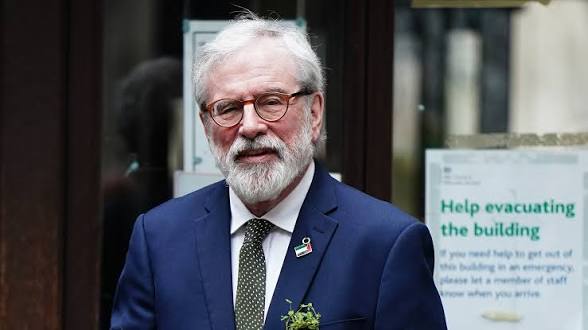
Few political figures in modern European history evoke as much debate, controversy, and historical reflection as Gerry Adams. Known globally as the longtime leader of Sinn Féin, Adams has played a central role in shaping the trajectory of Northern Ireland—from violent conflict to uneasy peace.
Yet, his legacy remains deeply contested. At the heart of the debate lies one persistent question: what was Adams’ true relationship with the Provisional Irish Republican Army?
Recent legal developments in 2026 have reignited this controversy, bringing decades-old allegations back into the spotlight. This article explores Adams’ alleged IRA past, the dramatic legal battle in London, and the ongoing storm surrounding his legacy.
The Historical Context: The Troubles and the IRA

To understand Gerry Adams’ legacy, one must first revisit the period known as The Troubles—a violent conflict that engulfed Northern Ireland from the late 1960s to 1998.
The Provisional Irish Republican Army emerged as a key player during this period, carrying out bombings and armed campaigns aimed at ending British rule in Northern Ireland.
Some of the most notable incidents linked to the IRA include:
The 1973 Old Bailey bombing in London
The 1996 Docklands bombing, which ended a ceasefire and reignited violence
These events left lasting scars on victims and communities, and they continue to shape political narratives today.
Gerry Adams and Allegations of IRA Membership
For decades, critics, journalists, and former IRA members have claimed that Gerry Adams held a senior position within the IRA, possibly even serving on its Army Council.
However, Adams has consistently denied these allegations.
During a recent court appearance, he reaffirmed:
He was never a member of the IRA
He had no role in planning or approving attacks
Allegations against him are false and politically motivated
Despite his denials, testimonies from former associates and intelligence sources have long suggested otherwise, fueling one of the most enduring controversies in British-Irish political history.
The 2026 Legal Battle: A Case That Gripped the UK
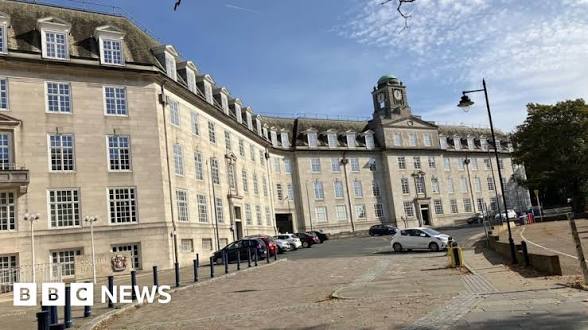
Gerry Adams High Court civil case 2026
In 2026, the debate over Adams’ past took a dramatic turn when three victims of IRA bombings brought a civil lawsuit against him in London.
Key Details of the Case
Plaintiffs: Victims of bombings in 1973 and 1996
Claim: Adams was a senior IRA figure responsible for the attacks
Damages sought: Symbolic £1 compensation
Goal: Establish accountability rather than financial gain
The case was significant because it attempted to legally determine Adams’ alleged role in the IRA—something never proven in criminal court.
A Sudden Twist: Case Withdrawn
In a surprising development, the lawsuit was withdrawn just before its conclusion
What Happened?
The claimants discontinued the case after unexpected legal developments
Concerns arose about an “abuse of process”
No final judgment was issued on Adams’ liability
Adams welcomed the decision, stating the case should never have been brought .
For the plaintiffs, however, the withdrawal was a devastating end to a long legal effort .
Why the Case Matters
Even without a verdict, the case had major implications:
1. Public Scrutiny
The trial brought decades-old allegations back into public discourse, forcing renewed examination of Adams’ past.
2. Legal Precedent
It tested whether historical political figures could be held civilly liable for actions linked to paramilitary groups.
3. Emotional Impact
For victims, the case represented a quest for recognition and closure—something left unresolved.
Adams’ Role in the Peace Process
While controversy surrounds his past, Gerry Adams is also widely credited for his role in ending the conflict.
He was a key figure in the negotiations leading to the Good Friday Agreement (1998)—a landmark deal that largely ended The Troubles.
His contributions include:
Transitioning Sinn Féin toward political engagement
Supporting ceasefire efforts
Facilitating dialogue between opposing sides
This dual identity—as both a peacemaker and a controversial figure—defines the complexity of his legacy.
The Legacy Storm: Hero or Controversial Figure?
The debate over Adams’ legacy remains deeply polarized.
Supporters Say:
He helped end decades of violence
He gave political voice to Irish nationalism
He was essential to the peace process
Critics Argue:
He was closely tied to IRA violence
He has never fully acknowledged past actions
Victims have been denied justice
This divide reflects broader tensions in how history is remembered and interpreted in Northern Ireland.
Media, Memory, and Narrative Control
The ongoing controversy highlights how narratives are shaped:
Legal cases reopen historical wounds
Media coverage influences public perception
Personal testimonies challenge official accounts
Adams himself has previously won legal battles defending his reputation, including a libel case against the BBC, reinforcing his determination to contest allegations.
The Broader Impact on Northern Ireland
The Adams controversy is not just about one individual—it reflects unresolved issues from The Troubles:
Accountability vs reconciliation
Justice vs peace
Memory vs political stability
These tensions continue to influence politics in both Northern Ireland and the Republic of Ireland.
What Comes Next?
Although the 2026 lawsuit has ended without a verdict, the questions it raised remain unanswered:
Will new evidence ever emerge?
Could future legal challenges arise?
How will history ultimately judge Adams?
For now, the debate continues—both in courts of law and in the court of public opinion.
Conclusion
The story of Gerry Adams is inseparable from the history of modern Ireland. His life encapsulates the complexities of conflict, politics, and peace.
The recent legal battle has once again placed him at the center of a storm—one that blends history, justice, and memory.
Whether viewed as a peacemaker or a controversial figure, Adams’ legacy will remain a subject of debate for generations to come.
FAQs
1. Who is Gerry Adams?
Gerry Adams is a prominent Irish republican politician and former leader of Sinn Féin, known for his role in Northern Ireland’s peace process.
2. Was Gerry Adams a member of the IRA?
Adams has consistently denied being a member of the IRA, though allegations have persisted for decades.
3. What was the 2026 legal case about?
The case involved victims of IRA bombings seeking to hold Adams civilly liable for alleged involvement in attacks.
4. Why was the case withdrawn?
The lawsuit was discontinued due to legal concerns, including potential issues with the case’s validity, and no final judgment was reached.
5. What is Gerry Adams’ legacy?
His legacy is highly debated—he is seen as both a key architect of peace and a controversial figure linked to past violence.
6. What role did he play in the Good Friday Agreement?
Adams played a major role in negotiations that led to the 1998 Good Friday Agreement, helping end decades of conflict.
Final SEO Notes
Keyword Density: Optimized naturally across headings and body
Readability: Short paragraphs, active voice, structured headings
Internal Flow: Clear transitions and subheadings
Search Intent: Covers history, latest news, and analysis
I
How useful was this post?
Click on a star to rate it!
Average rating 0 / 5. Vote count: 0
No votes so far! Be the first to rate this post.
About the Author

usa5911.com
Administrator
Hi, I’m Gurdeep Singh, a professional content writer from India with over 3 years of experience in the field. I specialize in covering U.S. politics, delivering timely and engaging content tailored specifically for an American audience. Along with my dedicated team, we track and report on all the latest political trends, news, and in-depth analysis shaping the United States today. Our goal is to provide clear, factual, and compelling content that keeps readers informed and engaged with the ever-changing political landscape.