Germany slowdown: economic pressure, energy stress, EU tension
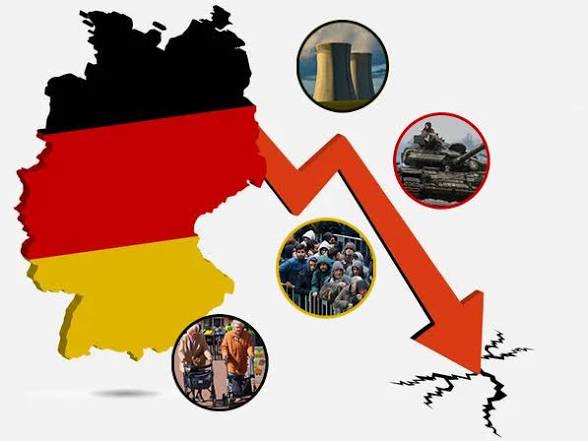
The Germany slowdown has become one of the most important economic stories in recent times. As Europe’s largest economy, any slowdown in Germany affects not just its own citizens but the entire continent. From rising energy costs to weakening industrial output, multiple factors are putting pressure on the country.
The situation has also created tension within the European Union, as member  states worry about economic stability and shared growth. This article explores the causes, impacts, and possible future of Germany’s economic slowdown.
Germany’s Role in the Global Economy
Germany has long been known as the “economic engine of Europe.” It is a global leader in manufacturing, exports, and innovation. Major industries include automobiles, machinery, chemicals, and technology.
Cities like Berlin and Frankfurt play a key role in finance and policymaking. The country’s strong industrial base has helped the EU remain competitive globally.
However, when Germany slows down, the effects ripple across Europe and beyond.
What Is Causing the Germany Slowdown?
1. Energy Crisis and Rising Costs
One of the biggest factors behind the Germany slowdown is the energy crisis. Germany has historically depended on imported energy, especially natural gas.
The disruption caused by geopolitical tensions, including the Russia-Ukraine conflict, has led to higher energy prices. This has increased production costs for industries.
Factories are struggling to maintain profitability, and some have even reduced output or moved operations abroad.
2. Weak Industrial Production
Germany’s economy relies heavily on manufacturing. However, recent data shows a decline in industrial production.
The automotive sector, once a pillar of strength, is facing challenges due to:
Transition to electric vehicles
Supply chain disruptions
Global competition
This has slowed growth and reduced exports, affecting overall economic performance.
3. Global Demand Slowdown
Germany is an export-driven economy. It depends on demand from countries like China and the United States.
However, global demand has weakened due to:
Inflation worldwide
Economic uncertainty
Trade tensions
As a result, German exports have declined, contributing to the slowdown.
4. Inflation and Consumer Pressure
Rising inflation has reduced purchasing power for households. People are spending less, especially on non-essential goods.
Higher prices for:
Food
Energy
Housing
have forced consumers to cut back, which further slows economic growth.
5. Interest Rate Hikes
To control inflation, the European Central Bank has raised interest rates.
While this helps reduce inflation, it also makes borrowing more expensive. Businesses are less likely to invest, and consumers are less likely to take loans, which slows the economy.
Impact of Germany Slowdown on Europe
1. EU Economic Stability at Risk
Germany contributes a significant share to the EU economy. A slowdown affects:
Trade within the EU
Investment flows
Economic confidence
Countries that rely on German imports and exports may also face slower growth.
2. Rising EU Tensions
Economic challenges can lead to political disagreements within the European Union.
Some countries may demand more support, while others push for stricter financial discipline. This creates tension and complicates decision-making.
3. Impact on the Euro
The euro currency is influenced by Germany’s economic health. A slowdown can weaken the euro, affecting global trade and financial markets.
Impact on Businesses and Industries
1. Manufacturing Sector
Industries are facing higher costs and lower demand. Many companies are:
Cutting production
Reducing workforce
Delaying expansion plans
2. Small and Medium Enterprises (SMEs)
SMEs are particularly vulnerable. They have fewer resources to handle rising costs and economic uncertainty.
Many small businesses are struggling to survive in the current environment.
3. Energy-Intensive Industries
Industries like chemicals, steel, and glass are heavily dependent on energy. Rising costs have hit them the hardest.
Some companies are considering relocating to countries with cheaper energy.
Government Response to the Slowdown
The German government has taken several steps to address the situation.
1. Energy Support Measures
Subsidies and price caps have been introduced to reduce the burden on businesses and households.
2. Investment in Renewable Energy
Germany is accelerating its transition to renewable energy sources such as:
Wind
Solar
Hydrogen
This aims to reduce dependence on imports and stabilize energy costs.
3. Economic Stimulus
The government has introduced stimulus packages to support growth, including:
Infrastructure investment
Tax incentives
Support for innovation
Future Outlook for Germany
The future of the Germany slowdown depends on several factors.
1. Energy Stability
If energy prices stabilize, industries may recover. Renewable energy investments could also provide long-term benefits.
2. Global Economic Recovery
Improved global demand would boost exports and support growth.
3. Technological Innovation
Germany’s strength in engineering and innovation could help it adapt to new challenges, especially in green technology and digitalization.
Challenges Ahead
Despite efforts, challenges remain:
Aging population
Labor shortages
Competition from emerging economies
Slow adoption of digital technologies
Addressing these issues will be crucial for long-term growth.
Opportunities in the Crisis
While the slowdown presents challenges, it also offers opportunities.
1. Green Energy Leadership
Germany can become a global leader in renewable energy and sustainability.
2. Digital Transformation
Investing in digital infrastructure can improve productivity and competitiveness.
3. Diversified Trade
Expanding trade partnerships beyond traditional markets can reduce dependence on specific countries.
Conclusion
The Germany slowdown is a complex issue driven by energy stress, economic pressure, and global uncertainty. As a key player in the European economy, Germany’s challenges have far-reaching impacts.
However, with strong policy measures, innovation, and strategic planning, Germany has the potential to overcome these difficulties and emerge stronger.
The coming years will be critical in shaping the future of not only Germany but also the entire European Union.
FAQs
1. What is the Germany slowdown?
The Germany slowdown refers to the recent decline in economic growth caused by factors like high energy costs, weak exports, and inflation.
2. Why is Germany facing economic pressure?
Germany is facing economic pressure due to rising energy prices, global demand slowdown, and industrial challenges.
3. How does the slowdown affect the EU?
Since Germany is the largest economy in the European Union, its slowdown impacts trade, investment, and overall economic stability in Europe.
4. What role does energy play in the slowdown?
Energy costs have increased significantly due to geopolitical tensions, making production more expensive for industries.
5. What is the future outlook for Germany’s economy?
The outlook depends on energy stability, global recovery, and successful implementation of reforms and innovation strategies.
6. Can Germany recover from this slowdown?
Yes, with strong policies, investment in renewable energy, and technological advancements, Germany can recover and grow again.
How useful was this post?
Click on a star to rate it!
Average rating 0 / 5. Vote count: 0
No votes so far! Be the first to rate this post.
About the Author

usa5911.com
Administrator
Hi, I’m Gurdeep Singh, a professional content writer from India with over 3 years of experience in the field. I specialize in covering U.S. politics, delivering timely and engaging content tailored specifically for an American audience. Along with my dedicated team, we track and report on all the latest political trends, news, and in-depth analysis shaping the United States today. Our goal is to provide clear, factual, and compelling content that keeps readers informed and engaged with the ever-changing political landscape.