Fort Collins Fire : Colorado wildfire, evacuations, emergency crews
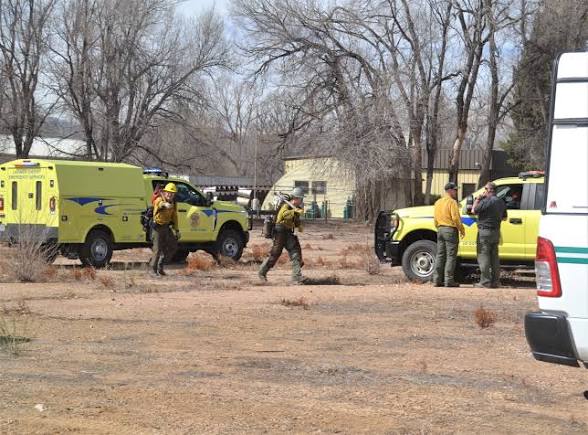
Wildfires remain one of the most serious natural threats in the western United States. The Fort Collins Fire in Colorado recently triggered emergency responses, evacuations, and road closures as firefighters rushed to contain a blaze fueled by powerful winds and dry conditions.
Authorities quickly mobilized resources to protect homes and infrastructure, while residents near the affected areas were asked to evacuate temporarily. Although the situation developed rapidly, swift action by emergency crews helped prevent the wildfire from escalating into a larger disaster.
This article explores what happened during the Fort Collins fire, why the wildfire started, the response from emergency teams, evacuation orders, and what residents should know about wildfire risks in Colorado.
Overview of the Fort Collins Fire

The wildfire broke out near Terry Lake, north of the city of Fort Collins in Larimer County, Colorado. The fire started during a day of extremely strong winds and dangerous fire weather conditions across the region.
Authorities issued mandatory evacuation orders for nearby neighborhoods shortly after the blaze was reported. Residents quickly left their homes as smoke and flames spread through dry grass and vegetation.
Emergency alerts warned people living in the evacuation zone to leave immediately for safety. Roads around the area became congested as families evacuated with little notice.
Fortunately, firefighters responded quickly and managed to control the wildfire within a short time frame. Officials later lifted evacuation orders and allowed residents to return home once the situation stabilized.
Where the Fire Happened
The wildfire occurred on the northern edge of Fort Collins, near several natural areas and residential communities.
The evacuation zone reportedly included:
Terry Lake Road
Vine Drive
U.S. Highway 287
North Overland Trail
These areas sit close to open land and dry grass fields, making them vulnerable to wildfires during high wind events.
Authorities described the fire as relatively small in size but potentially dangerous due to high wind speeds and dry fuel conditions.
What Caused the Fort Collins Fire?
Investigators often examine several factors when a wildfire begins, including human activity, lightning, and weather conditions.
While the exact cause of the Fort Collins fire has not been fully confirmed, officials highlighted extreme wind conditions and dry vegetation as major contributors to the blaze spreading quickly.
On the day the fire started:
Winds across Colorado’s Front Range reached near 100 mph in some areas.
Power lines and trees were knocked down.
Thousands of residents lost electricity.
These conditions created an environment where even a small spark could ignite a wildfire.
Red Flag Warnings and Fire Weather
Weather experts had already warned about dangerous fire conditions in northern Colorado.
The National Weather Service issued a Red Flag Warning, which signals a high risk of wildfire ignition and rapid fire spread.
Red Flag conditions typically occur when three factors combine:
Strong winds
Low humidity
Dry vegetation
When these conditions align, even a minor ignition source can quickly turn into a wildfire.
Evacuations and Emergency Alerts
When the fire started spreading near Fort Collins, officials issued mandatory evacuation orders for several nearby communities.
Residents received emergency alerts instructing them to leave the area immediately.
The evacuation was implemented to protect people living near:
Terry Lake neighborhoods
Rural residential areas
Natural land preserves nearby
Authorities used the NOCO Alert system to communicate evacuation orders and updates to residents.
Within about an hour, firefighters gained control of the blaze, and evacuation orders were lifted.
This quick response prevented what could have become a much larger wildfire emergency.
Firefighters and Emergency Crews Respond
Local emergency responders moved quickly to control the wildfire.
Several agencies responded, including:
Local fire departments
County emergency management teams
Law enforcement officers
Firefighters used a combination of tactics:
Ground crews attacking the fire line
Water and fire suppression equipment
Coordination with emergency management teams
Because the fire was relatively small, rapid containment was possible.
Officials confirmed that the blaze was under control shortly after crews arrived.
Road Closures and Travel Impact
The wildfire and severe weather conditions caused disruptions across northern Colorado.
Some of the impacts included:
Temporary road closures near the fire zone
Traffic congestion during evacuations
Interstate travel disruptions
During the windstorm, Interstate 25 between Fort Collins and Cheyenne was temporarily closed due to dangerous weather conditions and fire risks.
Local authorities urged drivers to avoid the area until conditions improved.
Schools and Businesses Affected
The wildfire and strong winds also impacted local schools and institutions.
Some closures and disruptions included:
Schools in mountain areas temporarily closed
Campus events canceled
Classes suspended at nearby facilities
Safety officials advised residents to stay indoors and avoid unnecessary travel while the emergency response was underway.
Power Outages During the Emergency
The powerful windstorm that helped spread the wildfire also caused widespread power outages.
Across northern Colorado:
Thousands of residents lost electricity
Trees and power lines were knocked down
Utility crews worked to restore service
Power outages can complicate wildfire response efforts because they disrupt communication and emergency services.
How Fast the Fire Was Contained
One of the most remarkable aspects of the Fort Collins wildfire was how quickly firefighters contained it.
Officials reported the fire was limited to only a small area before crews brought it under control.
By early afternoon:
Firefighters had largely extinguished the flames
Evacuation orders were lifted
Residents were allowed to return home
Rapid response likely prevented damage to homes or infrastructure.
Wildfires in Colorado: A Growing Risk
Colorado has experienced several major wildfires over the past decades.
One of the most well-known was the High Park Fire, which burned more than 87,000 acres near Fort Collins and destroyed hundreds of structures.
The state’s climate and terrain make it especially vulnerable to wildfires because of:
Dry summers
Dense forests
Grasslands near residential areas
As climate conditions change, wildfire seasons across the western United States are becoming longer and more intense.
Why Wind Is So Dangerous During Wildfires
Wind is one of the most important factors influencing wildfire behavior.
Strong winds can:
Push flames rapidly across dry land
Carry burning embers long distances
Ignite new fires miles away
During the Fort Collins incident, powerful gusts helped fan the flames and increased the danger to nearby homes.
That is why officials issued evacuation orders quickly, even though the fire remained relatively small.
How Communities Prepare for Wildfires
Communities across Colorado are taking steps to prepare for wildfire emergencies.
These strategies include:
1. Emergency Alert Systems
Local authorities use systems like NOCO Alert to notify residents of evacuations and hazards.
2. Fire-Resistant Landscaping
Residents are encouraged to clear dry vegetation near homes.
3. Firebreaks
Firefighters often create cleared zones that slow wildfire spread.
4. Public Awareness Campaigns
Education programs help residents understand evacuation plans and safety procedures.
What Residents Should Do During Wildfire Evacuations
When evacuation orders are issued, safety officials recommend taking the following steps:
Leave immediately when instructed
Bring essential items such as medications and documents
Avoid blocked or emergency roads
Monitor official alerts for updates
Following these instructions helps emergency responders work more effectively and reduces the risk of injuries.
Current Status of the Fort Collins Fire
As of the latest reports:
The wildfire has been contained
Mandatory evacuations have been lifted
Emergency crews are monitoring the area
Residents have returned to their homes, and cleanup operations are underway.
However, authorities continue to warn that fire danger remains high due to ongoing dry conditions and wind forecasts.
The Importance of Rapid Emergency Response
The Fort Collins wildfire highlights how critical rapid emergency response can be.
Within a short period:
Firefighters contained the blaze
Evacuations protected residents
Damage was minimized
Quick coordination between firefighters, emergency managers, and law enforcement played a major role in preventing a larger disaster.
Looking Ahead: Fire Risk in 2026
Experts expect wildfire risk to remain high across the western United States in the coming years.
Factors contributing to this trend include:
Rising temperatures
Prolonged drought conditions
Expanding communities near wildland areas
Preparedness, early detection, and fast response will remain essential tools in reducing wildfire damage.
Conclusion
The Fort Collins Fire in Colorado served as a reminder of how quickly wildfires can threaten communities, especially during extreme weather conditions.
Although the blaze prompted evacuations and emergency response efforts, firefighters successfully contained it before it could cause significant damage.
As wildfire risks continue to grow across the western United States, preparedness and rapid response will remain key to protecting communities and saving lives.
FAQs
1. What caused the Fort Collins fire?
The exact cause is still under investigation, but strong winds and dry conditions contributed to the wildfire spreading quickly.
2. Where did the Fort Collins fire occur?
The fire started near Terry Lake on the northern edge of Fort Collins in Larimer County, Colorado.
3. Were residents evacuated during the wildfire?
Yes, authorities issued mandatory evacuation orders for nearby neighborhoods before lifting them once the fire was contained.
4. How large was the wildfire?
The fire remained relatively small and was quickly contained by emergency crews.
5. Are wildfires common in Colorado?
Yes. Colorado frequently experiences wildfires due to dry vegetation, windy conditions, and mountainous terrain.
I
How useful was this post?
Click on a star to rate it!
Average rating 0 / 5. Vote count: 0
No votes so far! Be the first to rate this post.
About the Author

usa5911.com
Administrator
Hi, I’m Gurdeep Singh, a professional content writer from India with over 3 years of experience in the field. I specialize in covering U.S. politics, delivering timely and engaging content tailored specifically for an American audience. Along with my dedicated team, we track and report on all the latest political trends, news, and in-depth analysis shaping the United States today. Our goal is to provide clear, factual, and compelling content that keeps readers informed and engaged with the ever-changing political landscape.