Federal Judge Blocks Trump Plan : Layoffs Halted , Agencies Freeze
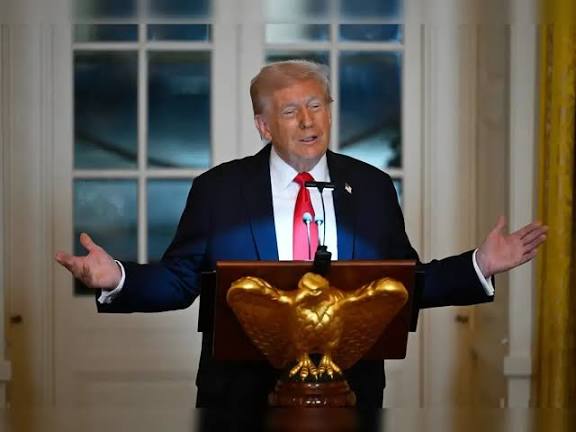
A federal judge in San Francisco is overturning the dismissals of hundreds of federal employees decided during recent Gov. Today we will discuss about Federal Judge Blocks Trump Plan : Layoffs Halted , Agencies Freeze
Federal Judge Blocks Trump Plan : Layoffs Halted , Agencies Freeze
A major legal confrontation has unfolded in Washington as a federal judge moved to block key elements of former President Donald Trump’s plan to dramatically restructure the federal government. The ruling halts widespread layoffs, freezes agency actions, and places firm judicial limits on executive authority. The decision has sent shockwaves through federal agencies, labor unions, and political circles, reigniting debates over separation of powers, government efficiency, and the future of the U.S. civil service.
At the heart of the controversy lies a fundamental question: how far can a president go in reshaping the federal workforce without congressional approval? The court’s answer, at least for now, is clear — not as far as the Trump plan intended.
The Origins of the Trump Workforce Plan
The blocked initiative stemmed from a broader effort by Donald Trump to overhaul what he described as an “overgrown and inefficient” federal bureaucracy. The plan aimed to significantly reduce the size of the federal workforce through mass layoffs, aggressive reorganizations, and freezes on programs across multiple agencies.
According to administration officials, the objective was to streamline operations, cut costs, and return power to states and private institutions. However, critics warned that the proposal went far beyond administrative reform, threatening essential public services and undermining the legal framework governing federal employment.
Unions representing federal workers, along with state and local governments, quickly mobilized. Lawsuits were filed arguing that the administration had bypassed Congress, ignored statutory protections for workers, and violated long-standing principles of administrative law.
Federal Judge Steps In
The legal turning point came when a federal judge issued a temporary restraining order blocking the implementation of large-scale layoffs across numerous federal agencies. The ruling immediately paused planned reductions in force and froze major restructuring efforts.
The court concluded that the plaintiffs were likely to succeed in proving that the executive branch lacked the authority to carry out such sweeping changes unilaterally. The judge emphasized that agencies created by Congress cannot be dismantled or hollowed out without legislative approval, regardless of presidential intent.
This initial decision set the tone for subsequent rulings and marked one of the most forceful judicial checks on executive workforce authority in recent years.
Layoffs Halted Across Key Agencies
The blocked plan affected a wide range of federal departments, including those responsible for agriculture, transportation, health, social services, defense administration, and small business support. Thousands of employees faced potential termination or indefinite administrative leave before the court intervened.
By halting layoffs, the judge prevented what unions described as “irreparable harm” to both workers and the public. Essential functions — such as benefits processing, safety inspections, research programs, and disaster preparedness — were at risk of disruption if the layoffs proceeded.
The ruling ordered agencies to maintain current staffing levels until the legal challenges are resolved, effectively freezing major operational changes.
Legal Reasoning Behind the Block
The court’s reasoning focused on three core legal principles:
1. Separation of Powers
The U.S. Constitution grants Congress the authority to create federal agencies, define their missions, and fund their operations. While the president oversees the executive branch, the court held that large-scale restructuring without congressional approval crosses constitutional boundaries.
The judge noted that allowing such unilateral action would undermine the balance of power and set a dangerous precedent for future administrations.
2. Statutory Protections for Federal Workers
Federal employees are protected by a complex framework of laws governing hiring, firing, and reductions in force. These protections are designed to ensure fairness, prevent political retaliation, and preserve a professional civil service.
The court found that the Trump plan likely violated these statutes by attempting to fast-track layoffs without following required procedures or providing adequate justification.
3. Compliance With Federal Funding Laws
In a later ruling, the judge also cited violations related to federal funding legislation. During periods governed by continuing resolutions or shutdown agreements, certain employment actions are explicitly restricted.
The court ruled that planned layoffs during such periods were unlawful, even if they were conceived before funding deadlines. As a result, hundreds of planned terminations were blocked, and previously dismissed employees were ordered to be reinstated.
Agencies Frozen in Uncertainty
The judicial intervention has left federal agencies in a state of operational limbo. Hiring freezes, reorganization plans, and internal restructuring efforts have been paused pending the outcome of ongoing litigation.
Agency leaders now face a complex challenge: maintaining normal operations while preparing for potential future changes if higher courts overturn the ruling. Morale among federal workers has improved slightly following the injunction, but uncertainty remains high.
Managers report delays in decision-making, postponed initiatives, and growing concern over long-term planning in the absence of clarity from the courts.
Union and Worker Response
Federal employee unions hailed the ruling as a major victory for workers and the rule of law. Union leaders argued that the Trump plan was less about efficiency and more about weakening the federal workforce for political reasons.
They emphasized that career civil servants play a critical role in maintaining continuity across administrations and safeguarding democratic institutions. According to union representatives, the court’s decision reaffirmed the importance of an independent, merit-based civil service.
Many workers who had received layoff notices or faced imminent termination described the ruling as a lifeline, allowing them to continue serving the public without fear of sudden dismissal.
Trump Administration Pushback
The Trump camp strongly criticized the ruling, accusing the judiciary of overreach and interference with executive authority. Supporters argued that presidents must have flexibility to manage personnel and reform bloated bureaucracies.
Administration lawyers filed appeals seeking to lift the injunction, claiming the president’s authority over executive branch operations had been improperly constrained. They warned that judicial micromanagement could paralyze future reform efforts and entrench inefficiency.
Despite these arguments, courts have repeatedly signaled skepticism toward claims of unchecked executive power in workforce restructuring.
Broader Political Implications
The ruling has intensified political debate in Washington. Supporters of government reform argue that judicial blocks prevent necessary modernization and waste reduction. Opponents counter that the Trump plan represented an unprecedented assault on federal institutions.
Lawmakers from both parties have weighed in, with some calling for legislation to clarify presidential authority over agency restructuring. Others argue that existing laws are sufficient and that the issue lies in executive overreach rather than legal ambiguity.
The case has become a flashpoint in the broader struggle over the size, role, and independence of the federal government.
Judicial Precedent and Future Administrations
Legal experts suggest the ruling could have lasting implications beyond the Trump era. By reinforcing limits on unilateral executive action, the decision may constrain future presidents seeking rapid or sweeping government reforms.
Courts have signaled that while administrative efficiency is a legitimate goal, it must be pursued within the bounds of constitutional and statutory law. Any attempt to bypass Congress or sidestep worker protections is likely to face similar resistance.
This precedent may encourage future administrations to work more closely with lawmakers rather than relying solely on executive orders.
What Happens Next
The legal battle is far from over. Appeals are ongoing, and higher courts may ultimately decide the scope of presidential authority over federal workforce changes. If the case reaches the Supreme Court, it could result in a landmark ruling defining executive power for decades.
In the meantime, agencies remain under court-ordered restrictions, layoffs are halted, and restructuring plans are frozen. Congress may also step in, either to support or limit future executive actions through new legislation.
Conclusion
The federal judge’s decision to block the Trump plan marks a pivotal moment in the struggle between executive ambition and constitutional limits. By halting layoffs and freezing agency actions, the court reinforced the principle that no president can unilaterally reshape the federal government without legal authority.
The ruling protects thousands of federal workers, preserves essential public services, and reaffirms the role of the judiciary as a check on executive power. As appeals proceed and political debates intensify, the outcome of this case will shape not only the future of federal employment but also the balance of power at the heart of American democracy.
How useful was this post?
Click on a star to rate it!
Average rating 0 / 5. Vote count: 0
No votes so far! Be the first to rate this post.
About the Author

usa5911.com
Administrator
Hi, I’m Gurdeep Singh, a professional content writer from India with over 3 years of experience in the field. I specialize in covering U.S. politics, delivering timely and engaging content tailored specifically for an American audience. Along with my dedicated team, we track and report on all the latest political trends, news, and in-depth analysis shaping the United States today. Our goal is to provide clear, factual, and compelling content that keeps readers informed and engaged with the ever-changing political landscape.