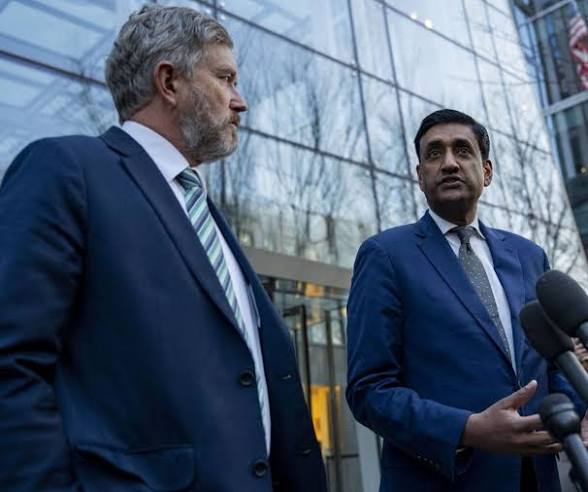
Ed Miliband : UK energy policy, Labour push, power play
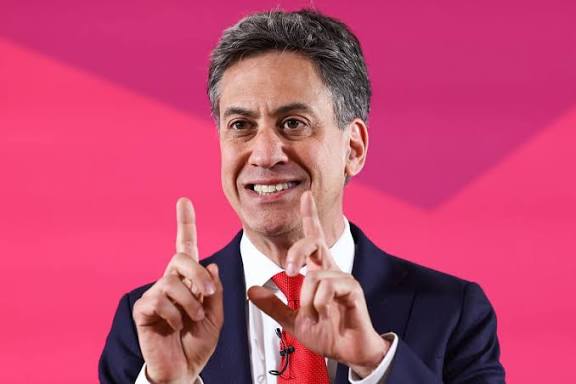
Ed Miliband has emerged as one of the most influential figures in Britain’s current energy policy landscape — steering a bold and contentious agenda that seeks to redefine how the UK generates, distributes, and pays for power. Since becoming UK Secretary of State for Energy Security and Net Zero, Miliband has placed clean energy at the centre of a broader strategy intended not just to tackle climate change, but to boost energy security, cut bills, create jobs, and wrest control of the power system away from fossil fuel dependency.
Rooted in Labour’s manifesto commitments and tested by political pushback from opposition parties and energy industry interests, Miliband’s policies represent a significant power play within UK politics — blending economic, environmental, and social priorities into a single long-term mission. Today, we explore the substance, controversy, and implications of this effort.
1. The Core of Miliband’s Energy Strategy
At the heart of Ed Miliband’s approach lies a simple but ambitious mission: make Britain a “clean energy superpower” by 2030. This involves transitioning the UK’s electricity system toward a rapidly expanding suite of renewables — particularly onshore and offshore wind, solar power, tidal energy, and supportive technologies such as energy storage and hydrogen.
Key pillars include:
🌀 Renewable Power Expansion
Labour’s plan calls for doubling onshore wind, tripling solar power, and quadrupling offshore wind by the end of the decade.
🔋 Strengthening the Grid
A “rewire Britain” strategy aims to reduce bottlenecks in grid connections — historically slowing down new clean energy projects and driving up costs.
🏢 Public Ownership: Great British Energy
Miliband has championed Great British Energy (GBE), a publicly-owned clean energy company tasked with investing in and owning renewable projects while ensuring communities directly benefit. Situated as a cornerstone of policy, GBE seeks to align energy generation with public interest rather than private profit.
🏠 Energy Efficiency & Fuel Poverty
Expanded funding for insulation, heat pumps, and rooftop solar — part of the Warm Homes Plan — aims to lift households out of fuel poverty while cutting bills long-term.
2. Politics and Power: Why This Matters
Miliband’s push goes beyond technical energy reform — it is fundamentally political power play that seeks to differentiate Labour’s governance from the Conservatives and emerging parties like Reform UK.
🔥 Driving a New Narrative
Labour frames this energy transition as both a moral and economic imperative: tackling climate change while delivering security and prosperity. Miliband has argued that anti-net-zero rhetoric from rival parties betrays future generations and undermines working people’s interests.
⚔️ Battling Opposition
Critics — including figures as prominent as former U.S. President Donald Trump — have attacked Labour’s energy policies as impractical and costly. Domestically, parties like Reform UK have pledged to roll back renewable projects and resist net-zero targets, framing themselves as champions of traditional jobs and lower energy prices.
Miliband’s response positions net-zero and renewable expansion not as abstract ideals but as strategic tools for economic resilience and global competitiveness.
3. Key Policy Actions and Measures
🌞 Massive Renewable Auctions
In 2026, the UK secured record renewable capacity — including 4.9 GW of solar power — via its Contracts for Difference (CfD) auctions, contributing to plans to power millions of homes with clean energy.
💷 Funding for Community Energy
Miliband’s government announced up to £1 billion to support community-owned green energy projects, enabling local solar, wind, and hydro developments with economic benefits retained locally.
🌬 Symbolic Project Approvals
The approval of the largest solar farm site in Lincolnshire underscored the government’s willingness to expedite large-scale renewable infrastructure.
These moves encapsulate a dual focus on scaling up capacity and decentralizing benefits — shifting energy ownership into local hands and reducing dependence on fossil fuels.
4. Economic and Social Impacts
📉 Pressure on Energy Bills
By growing domestic clean energy, Miliband’s policies are intended to reduce exposure to volatile global fossil fuel markets — a key factor behind recent spikes in UK household energy bills.
However, there has been controversy over the implementation: some households found that a planned £150 bill cut didn’t fully materialize due to how savings were passed on by smaller suppliers.
🛠 Job Creation
Labour’s energy strategy is tied to promises of hundreds of thousands of green jobs, especially in manufacturing, installation, and maintenance — framing decarbonization as an engine for economic opportunity.
🏘 Community Ownership
The emphasis on community schemes reflects a broader ambition to make energy generation a source of local income and investment, rather than remote corporate profit.
5. Controversies & Criticisms
Despite its goals, Miliband’s agenda has attracted scrutiny and pushback:
😠 Hypocrisy Allegations
Reports highlighted how his own department’s HQ is powered by fossil fuels, prompting criticisms of inconsistency between rhetoric and practice.
🛢 Oil and Gas Dilemmas
Miliband faced a complex decision over controversial North Sea oil and gas fields he once opposed — revealing tensions between climate targets and energy security.
🏙 Planning and Local Opposition
Efforts to centralize decision-making for large wind projects have angered some local councils and residents feeling bypassed in planning processes. However, supporters argue that such moves are necessary to break years of gridlock.
6. International Engagement
Miliband’s energy policies also have a global dimension. His participation in the UK-India Energy Dialogue highlights shared ambitions for resilient, sustainable power systems — underscoring the UK’s push for clean energy cooperation beyond its borders.
7. The Road Ahead
When examined collectively — renewables auctions, community funding, grid reforms, and international collaboration — Miliband’s energy strategy reflects a comprehensive transition agenda aimed at building a low-carbon economy that delivers security, opportunity, and resilience.
But the path is contested: both economically and politically, Miliband’s policies must navigate market realities, grid constraints, and ideological opposition.
Frequently Asked Questions (FAQs)
Q1: What is Ed Miliband’s main goal with UK energy policy?
A: His central objective is to transform the UK into a clean energy superpower — significantly increasing renewable energy capacity while ensuring energy security, lowering bills, and creating jobs.
Q2: What is Great British Energy (GBE)?
A: A publicly-owned energy company designed to invest in and own renewable projects, ensuring energy benefits accrue to communities and consumers.
Q3: Will renewable energy lower UK household bills?
A: The long-term aim is to reduce dependency on imported fossil fuels and therefore lower bills. Some policy tools — like CfDs — guarantee stable prices for renewable projects. However, pass-through of savings can vary by supplier.
Q4: Why is this policy politically contentious?
A: Opponents argue the strategy is costly or disruptive, while supporters insist ambitious clean energy expansion is essential for climate and economic resilience. International figures and domestic parties have used energy policy as a political football.
Q5: How does this affect carbon targets?
A: Miliband’s plan supports a major shift toward decarbonizing the grid — aligning with Labour’s clean power and net-zero aspirations by 2030.
Conclusion
Ed Miliband’s leadership on energy has placed the UK at a strategic crossroads — seeking to reshape not only how power is generated, but how it intersects with economic policy, social equity, and national identity. While not without controversy, his policies articulate a vision for sustainable energy that is as political as it is technical, representing a defining feature of the current Labour government’s broader approach to governance, growth, and climate responsibility.
How useful was this post?
Click on a star to rate it!
Average rating 0 / 5. Vote count: 0
No votes so far! Be the first to rate this post.
About the Author

usa5911.com
Administrator
Hi, I’m Gurdeep Singh, a professional content writer from India with over 3 years of experience in the field. I specialize in covering U.S. politics, delivering timely and engaging content tailored specifically for an American audience. Along with my dedicated team, we track and report on all the latest political trends, news, and in-depth analysis shaping the United States today. Our goal is to provide clear, factual, and compelling content that keeps readers informed and engaged with the ever-changing political landscape.