Donald Trump shockwave: Iran shift, legal war, election 2026 explosion
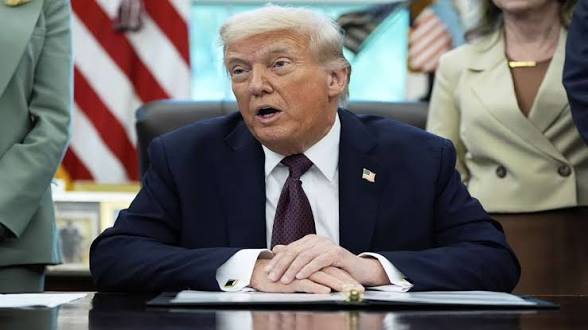
The political landscape of the United States—and increasingly the world—has been shaken by what many analysts are calling the “Donald Trump shockwave.” From a rapidly escalating conflict with Iran to mounting legal battles and a high-stakes 2026 election cycle, the convergence of these developments is redefining global politics.
This article explores the three pillars of this shockwave: Iran policy escalation, legal warfare, and the 2026 election explosion, and how they are interconnected in shaping the future of American leadership and international stability.
1. Iran Shift: A Dangerous Escalation
A New Phase of Conflict
The most immediate and volatile component of the Trump shockwave is the dramatic escalation with Iran. Recent developments show a sharp pivot toward aggressive military posturing
According to recent reports, Donald Trump issued a 48-hour ultimatum to Iran to reopen the Strait of Hormuz or face devastating strikes on its power infrastructure.
This move comes amid a broader war that has already:
- Disrupted 20% of global oil supply routes
- Pushed oil prices above $100 per barrel
- Caused thousands of casualties and mass displacement
The Strait of Hormuz is one of the world’s most critical energy chokepoints, and its closure has triggered fears of a global economic shock.
Military Strategy and Risks
Trump’s Iran policy reflects a shift from deterrence to direct coercion and potential regime destabilization.
Key developments include:
- U.S. airstrikes on strategic Iranian sites like Kharg Island
- Threats to destroy energy infrastructure
- Deployment of Marines and military assets to the Gulf
Experts warn that such actions could:
- Trigger a wider Middle East war
- Push Iran toward nuclear escalation
- Destabilize global energy markets
Legal and Ethical Concerns
The Iran campaign has also sparked intense legal debate. Critics argue that the war lacks proper congressional authorization, raising constitutional questions.
Some legal scholars have described the conflict as potentially “illegal under U.S. and international law.”
Additionally, civilian casualties—including controversial airstrikes—have intensified scrutiny and calls for accountability.
2. Legal War: Mounting Pressure on Trump
Multiple Legal Fronts
Parallel to the Iran conflict, Trump faces a growing “legal war” at home. These legal challenges are not isolated—they are shaping his political strategy and public messaging.
Recent developments indicate:
- Congressional scrutiny over war powers
- Investigations into executive authority
- Legal battles tied to election processes
For example, lawmakers have attempted to limit Trump’s war powers, though such efforts have struggled to pass.
Election Control Controversy
One of the most explosive issues is the alleged consideration of executive powers over elections.
Reports suggest discussions around:
- Federal control over election systems
- Emergency powers impacting voting processes
While Trump has publicly denied pursuing such measures, the debate has intensified concerns about democratic norms and constitutional limits.
Congress vs President
The Iran war has deepened tensions between Trump and Congress.
Key issues include:
- Lack of formal authorization for military action
- Growing bipartisan concern over unchecked executive power
- Political divisions within Trump’s own party
Despite concerns, Congress has largely struggled to mount a unified response, highlighting the polarized nature of U.S. politics.
3. Election 2026 Explosion
A High-Stakes Political Environment
The 2026 elections are shaping up to be one of the most consequential in modern U.S. history. The combination of war, legal battles, and economic uncertainty has created a volatile political environment.
Trump’s strategy appears to center on:
- National security dominance
- Strong leadership messaging
- Mobilizing his political base
However, these strategies carry risks, especially if the Iran conflict escalates further.
Impact of War on Elections
Historically, wartime leadership can either boost or damage political fortunes.
In Trump’s case:
- Supporters see decisive action
- Critics warn of reckless escalation
The economic impact—particularly rising fuel prices—could play a decisive role in voter sentiment.
Supreme Court and Election Law
Another critical factor is the role of the judiciary. Legal disputes over voting laws and election procedures are already reaching the courts.
The Supreme Court is expected to play a pivotal role in:
- Mail-in ballot regulations
- Federal vs state election authority
- Emergency powers and constitutional limits
4. Global Implications of the Trump Shockwave
Energy Crisis and Economic Fallout
The Iran conflict has already triggered:
- Oil price surges
- Inflation concerns worldwide
- Supply chain disruptions
With the Strait of Hormuz under threat, the global economy faces uncertainty reminiscent of past oil crises.
Alliances Under Pressure
Trump’s aggressive stance has also strained relationships with allies.
Reports indicate:
- Criticism of NATO allies for inaction
- Limited international coordination
- Growing geopolitical fragmentation
Risk of Wider War
The biggest concern remains the risk of escalation into a broader regional—or even global—conflict.
Potential flashpoints include:
- Israel-Iran confrontation
- Gulf region instability
- Proxy conflicts across the Middle East
5. Public Opinion and Media Influence
Polarized Reactions
Public opinion in the U.S. is deeply divided.
- Supporters: View Trump as a strong leader
- Critics: Warn of authoritarian tendencies
Media coverage has amplified these divisions, with viral clips and debates shaping public perception.
Social Media and Narrative Control
Trump’s communication strategy—often direct and unfiltered—continues to dominate the narrative.
This approach:
- Energizes his base
- Bypasses traditional media
- Shapes real-time political discourse
6. What Comes Next?
The Trump shockwave is far from over. Several key scenarios could unfold:
Scenario 1: Escalation
- Full-scale war with Iran
- Global economic disruption
Scenario 2: Containment
- Diplomatic intervention
- Stabilization of oil markets
Scenario 3: Political Backlash
- Legal rulings limiting executive power
- Electoral consequences in 2026
Each scenario carries significant implications not just for the U.S., but for the entire world.
Conclusion
The Donald Trump shockwave represents a convergence of military escalation, legal battles, and political transformation.
At its core, this moment reflects a broader shift in global politics:
- Power is becoming more centralized
- International norms are being challenged
- Domestic politics are increasingly intertwined with global conflicts
As the Iran crisis unfolds, legal pressures mount, and the 2026 election approaches, one thing is clear: the impact of this shockwave will be felt for years to come.
FAQs
1. What is the “Donald Trump shockwave”?
It refers to the combined impact of Trump’s Iran policy shift, legal challenges, and the political turbulence surrounding the 2026 elections.
2. Why is the Iran conflict significant?
The conflict threatens global oil supply, raises the risk of a wider war, and has major economic and geopolitical consequences.
3. Is Trump’s Iran war legal?
There is significant debate. Critics argue it lacks congressional authorization and may violate international law.
4. How does this affect the 2026 elections?
The war, economic conditions, and legal battles will heavily influence voter sentiment and campaign dynamics.
5. What role does the Supreme Court play?
The Court may decide key issues related to election laws, executive power, and constitutional limits.
6. Could this lead to a global conflict?
While not certain, escalating tensions increase the risk of broader regional or international war.
How useful was this post?
Click on a star to rate it!
Average rating 0 / 5. Vote count: 0
No votes so far! Be the first to rate this post.
About the Author

usa5911.com
Administrator
Hi, I’m Gurdeep Singh, a professional content writer from India with over 3 years of experience in the field. I specialize in covering U.S. politics, delivering timely and engaging content tailored specifically for an American audience. Along with my dedicated team, we track and report on all the latest political trends, news, and in-depth analysis shaping the United States today. Our goal is to provide clear, factual, and compelling content that keeps readers informed and engaged with the ever-changing political landscape.