Dan Bongino exits FBI: deputy director leaves, returns to private life
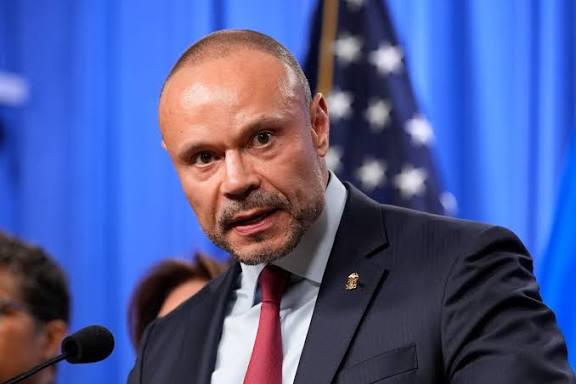
With Bongino’s departure, Andrew Bailey becomes the other Deputy Director of the FBI. Bailey was appointed as co-deputy director in September. Today we will discuss about Dan Bongino exits FBI: deputy director leaves, returns to private life
Dan Bongino exits FBI: deputy director leaves, returns to private life
The departure of Dan Bongino from the Federal Bureau of Investigation marks the end of one of the most unconventional chapters in modern U.S. law-enforcement leadership. After serving less than a year as Deputy Director of the FBI, Bongino has officially stepped down and returned to private life, closing a brief but highly scrutinized tenure that generated intense political, institutional, and public debate.
Bongino’s exit has reignited broader discussions about leadership norms within the FBI, the intersection of media and governance, and the personal cost of serving in one of the nation’s most demanding public offices. While supporters praise his willingness to serve, critics argue his tenure underscored deeper tensions between political loyalty and institutional tradition.
From Law Enforcement to National Spotlight

Dan Bongino’s professional background spans decades of public service and media influence. Born and raised in New York, Bongino began his career as a New York City police officer, later transitioning into federal service as a U.S. Secret Service agent. His work included protective assignments and investigative duties, providing him with firsthand exposure to federal security operations.
After leaving government service, Bongino entered the media world, building a powerful presence as a conservative commentator, radio host, and author. Over time, he became one of the most recognizable voices in right-leaning political media, known for his sharp criticism of federal institutions, including the FBI itself.
This outspoken stance made his later appointment to FBI leadership both remarkable and controversial.
A Historic and Unconventional Appointment
Bongino was appointed Deputy Director of the FBI in early 2025, becoming the second-highest-ranking official in the bureau. Traditionally, this role has been reserved for career FBI officials who spent decades rising through the organization’s internal ranks. Bongino’s selection broke that long-standing norm.
His appointment did not require Senate confirmation, allowing for a swift transition into office. However, his lack of direct FBI experience and his high-profile political commentary immediately raised concerns among critics, former agents, and institutional observers.
Supporters, meanwhile, argued that Bongino’s outsider status could help restore accountability and challenge entrenched bureaucracy within the agency.
The Weight of the Job
Once in office, Bongino quickly discovered that leadership inside the FBI was far removed from media commentary or political advocacy. The position demanded long hours, intense scrutiny, and constant engagement with sensitive national security issues.
In public remarks during his tenure, Bongino acknowledged the personal toll of the role. He spoke openly about isolation, limited family time, and the emotional strain of managing one of the world’s most powerful law-enforcement organizations. These comments offered rare insight into the human cost of senior government service.
The FBI Deputy Director is responsible for overseeing daily operations, managing thousands of employees, and coordinating with the Department of Justice and intelligence agencies — responsibilities that leave little room for personal life.
Internal Challenges and Institutional Tensions
Bongino’s time at the FBI coincided with a period of heightened political sensitivity. The bureau was navigating multiple high-profile investigations, ongoing public distrust, and intense partisan scrutiny.
Reports emerged of internal disagreements between Bongino and other senior officials regarding investigative priorities, transparency, and leadership style. While many of these disputes were never formally detailed, they fueled speculation about friction within the Department of Justice and FBI leadership.
Critics argued that Bongino’s public persona made it difficult to separate institutional decision-making from political perception. Supporters countered that resistance from entrenched officials reflected discomfort with reform-minded leadership.
Co-Leadership and Structural Complexity
Midway through Bongino’s tenure, the FBI leadership structure shifted with the appointment of a co-Deputy Director, creating a shared leadership arrangement. While intended to stabilize operations, the move further complicated internal dynamics.
The presence of two deputy directors highlighted the broader uncertainty surrounding leadership direction at the bureau. For some observers, it reinforced the perception that Bongino’s role was always intended to be transitional rather than permanent.
The Announcement of His Departure
In December 2025, Bongino publicly announced his intention to step down in early January 2026. In his statement, he expressed gratitude for the opportunity to serve and emphasized that his decision was rooted in personal considerations rather than political conflict.
He described his return to “civilian life” as a necessary step after months of intense pressure, responsibility, and sacrifice. His final day in office marked the conclusion of a tenure lasting just under one year.
Senior officials publicly thanked Bongino for his service, while political leaders suggested his departure was voluntary and amicable.
Why Bongino Left the FBI
Personal and Family Considerations
The most consistent explanation for Bongino’s exit centers on family and personal well-being. The demands of federal leadership, combined with geographic separation and constant scrutiny, proved unsustainable over time.
Unlike career FBI officials who often spend decades preparing for such roles, Bongino entered leadership later in life, already established in media and private enterprise. The contrast between those worlds may have amplified the strain.
Institutional Fit
Bongino’s leadership style and background differed significantly from traditional FBI culture. The bureau operates on deeply ingrained norms of hierarchy, discretion, and internal continuity. Adapting to that environment — particularly as an outsider — is a challenge even for seasoned federal officials.
Return to Media and Private Life
Before entering government, Bongino commanded a massive audience through podcasts, radio, and digital platforms. Returning to private life allows him greater autonomy, financial flexibility, and direct engagement with supporters — without the constraints of public office.
Reactions Across the Political Spectrum
Supporters
Supporters praised Bongino for stepping into a difficult role during a turbulent time. They argue his willingness to serve demonstrated commitment rather than ambition, and that his departure reflects the high personal cost of confronting entrenched systems.
Many believe his experience inside the FBI will shape future commentary and advocacy, offering rare insider perspective.
Critics
Critics viewed Bongino’s exit as confirmation that his appointment was ill-suited from the start. They argue that leadership roles within the FBI require long-term institutional knowledge rather than political alignment or media influence.
Some also expressed concern that such appointments risk undermining public confidence in the bureau’s independence.
Law Enforcement Community
Within law enforcement circles, reactions remain mixed. While some welcomed fresh perspectives, others emphasized the importance of maintaining traditional career pathways to preserve morale and institutional stability.
What Bongino’s Exit Means for the FBI
With Bongino’s departure, the FBI has reverted to a more traditional leadership structure. The bureau now faces the task of restoring continuity and reassuring both employees and the public amid ongoing scrutiny.
The episode has sparked renewed debate about whether senior FBI roles should remain exclusively career-based or remain open to outside appointments during periods of political transition.
A Short Tenure with Long-Term Implications
Though brief, Bongino’s tenure will likely be remembered for its symbolic significance. His appointment and exit reflect broader trends in American governance, where media figures increasingly cross into public office — and sometimes struggle with the realities of institutional leadership.
Key takeaways from this episode include:
The growing influence of media personalities in government
The challenges outsiders face within deeply institutional organizations
The personal toll of high-level public service
The ongoing debate over politicization versus reform in federal agencies
What Comes Next for Dan Bongino
While Bongino has not announced specific future plans, his return to private life is expected to include renewed engagement in media, commentary, and public discourse. His experience inside the FBI provides him with a unique perspective that few commentators possess.
Whether he chooses to reenter politics, expand his media presence, or focus on private endeavors, Bongino is unlikely to fade from the national conversation.
Conclusion
Dan Bongino’s exit from the FBI as Deputy Director marks the conclusion of a bold, controversial, and ultimately short-lived experiment in federal leadership. His journey from law enforcement to media stardom and back into government illustrates the evolving relationship between politics, public trust, and institutional power in the United States.
As the FBI moves forward and Bongino returns to private life, the questions raised by his tenure — about leadership, loyalty, reform, and personal sacrifice — will continue to shape debates about the future of America’s most powerful law-enforcement agency.
How useful was this post?
Click on a star to rate it!
Average rating 0 / 5. Vote count: 0
No votes so far! Be the first to rate this post.
About the Author

usa5911.com
Administrator
Hi, I’m Gurdeep Singh, a professional content writer from India with over 3 years of experience in the field. I specialize in covering U.S. politics, delivering timely and engaging content tailored specifically for an American audience. Along with my dedicated team, we track and report on all the latest political trends, news, and in-depth analysis shaping the United States today. Our goal is to provide clear, factual, and compelling content that keeps readers informed and engaged with the ever-changing political landscape.