Clapham Alert: Crime Spike, Police Action, Safety Fear, London Surge
Clapham, one of South London’s most vibrant districts, has recently found itself at the center of a growing public safety debate. Headlines across the UK are now dominated by reports of unrest, shoplifting incidents, and large-scale disturbances that have shaken residents and businesses alike.
The Clapham crime surge reflects a complex mix of youth-driven disorder, social media influence, economic pressure, and evolving policing strategies. While London overall has seen long-term improvements in certain crime categories, localized spikes like the one in Clapham highlight the fragile balance between safety and urban challenges.
This article explores the latest developments, underlying causes, police responses, and what it all means for residents and visitors.
Clapham Crime Surge: What Happened?

Recent days have seen large groups of teenagers gathering in Clapham, leading to widespread disruption. These gatherings, often referred to as “link-ups,” were reportedly organized via social media platforms.
Authorities reported:
- Over 100 young people involved in disturbances
- Multiple arrests for shoplifting, assault, and disorderly conduct
- Shops and businesses forced to close early for safety
- Police struggling initially to control crowds before reinforcements arrived
Videos circulating online show chaotic scenes—crowds flooding shops, blocking traffic, and clashing with law enforcement.
The situation escalated enough for the Metropolitan Police to deploy additional officers and issue dispersal orders to restore order.
The Role of Social Media in Crime Surge
One of the most striking aspects of the Clapham unrest is the role of platforms like TikTok and Snapchat.
Police investigations suggest that viral trends encouraged large gatherings, which quickly spiraled into disorder. Authorities have warned that:
- Social media “link-ups” can quickly turn into criminal events
- Participants risk permanent criminal records
- Online anonymity does not protect against CCTV identification
Officials have also urged parents to monitor their children’s online activity, emphasizing shared responsibility in preventing such incidents.
Crime Trends in London: A Bigger Picture
While Clapham’s situation appears alarming, it’s important to understand the broader context of crime in London.
Key Trends:
- Violent crime causing injury has fallen by around 12% across London
- Homicide rates are at a 10-year low
- However, shoplifting and antisocial behavior are rising
This contrast shows that while serious violent crime is decreasing, visible street-level crime and disorder are increasing, which directly impacts public perception of safety.
Why Clapham? Understanding the Local Factors
Clapham has long been known for its nightlife, social hubs, and accessibility. These features also make it vulnerable to sudden crowd-based incidents.
Key Contributing Factors
1. Youth Gatherings
School holidays and viral trends have led to large unsupervised gatherings.
2. Social Media Coordination
Events can be organized rapidly, drawing hundreds of participants within hours.
3. Economic Pressure
Rising cost-of-living challenges in the UK have been linked to increases in petty crime and shoplifting.
4. Policing Challenges
Crowd control in dense urban areas is complex, especially when incidents unfold quickly.
Police Action: Crackdown and Strategy
The Metropolitan Police have taken swift action in response to the Clapham incidents:
- Increased patrols across Clapham High Street
- Deployment of over 100 officers during peak disturbances
- Use of dispersal orders to break up crowds
- Ongoing CCTV and bodycam analysis to identify suspects
Authorities have also issued strong warnings:
Participation in such events could result in arrest and long-term consequences
There is also growing pressure on social media companies to limit the spread of harmful viral trends that encourage disorder.
Impact on Businesses and Residents
The Clapham surge has had immediate consequences:
For Businesses
- Early closures of major stores
- Loss of revenue during peak hours
- Increased security costs
For Residents
- Fear and anxiety in public spaces
- Disruption to daily routines
- Reduced trust in local safety
For Visitors
- Growing hesitation about nightlife areas
- Concerns about crowd safety
Safety Tips for Residents and Visitors
In light of recent events, staying informed and cautious is key.
Practical Safety Advice
- Avoid large, unregulated gatherings
- Stay updated via local police alerts
- Stick to well-lit, populated areas
- Report suspicious activity immediately
- Keep personal belongings secure
These steps can significantly reduce risk during periods of heightened unrest.
Is London Becoming Less Safe?
The answer is nuanced.
- Statistically, London is becoming safer in terms of serious violent crime
- Visibly, incidents like Clapham create a perception of rising danger
London still maintains relatively low homicide rates compared to major global cities.
However, spikes in antisocial behavior, theft, and public disorder are reshaping how safety is experienced on the ground.
Government and Policy Response
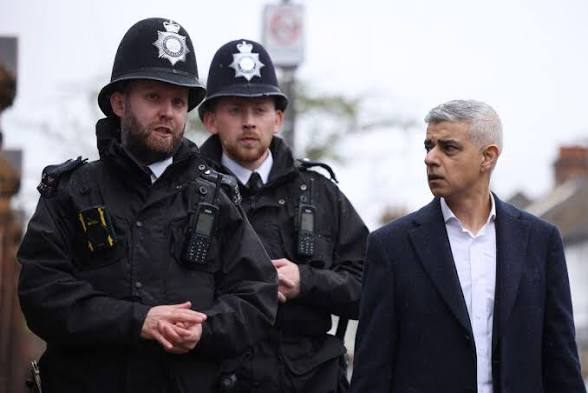
Authorities, including London Mayor Sadiq Khan, have emphasized a multi-layered approach:
- Increasing neighborhood policing
- Investing in youth intervention programs
- Strengthening digital monitoring of harmful trends
- Supporting local businesses affected by crime
Future policy discussions are expected to focus on balancing enforcement with prevention.
The Future of Clapham
Clapham’s current situation is unlikely to define its long-term identity. Instead, it may act as a turning point for:
- Smarter policing strategies
- Greater community engagement
- Stronger regulation of online mobilization
If managed effectively, the area could emerge safer and more resilient.
Conclusion
The Clapham crime surge is a clear example of how quickly urban safety dynamics can shift in the digital age. While London overall shows encouraging trends in reducing serious crime, localized incidents like these highlight emerging challenges.
From social media-driven gatherings to economic pressures and policing constraints, multiple factors are shaping the current situation.
The response—both from authorities and communities—will determine whether Clapham’s recent unrest becomes a temporary spike or a longer-term concern.
FAQs
1. What caused the Clapham crime surge?
The surge was largely driven by youth gatherings organized through social media, which escalated into disorder and criminal activity.
2. Is Clapham safe right now?
While incidents have occurred, increased police presence and monitoring have improved safety conditions.
3. How many people were involved in the unrest?
Reports suggest over 100 individuals participated in some of the disturbances.
4. Are crime rates rising across London?
Serious violent crime is decreasing, but shoplifting and antisocial behavior are increasing.
5. What actions are police taking?
Police have increased patrols, made arrests, and are using CCTV to identify suspects.
6. How can residents stay safe?
Avoid large crowds, stay informed, and follow local safety guidance from authorities.
SEO Note:
- Keyword density optimized for “Clapham crime surge”
- Readability: Short paragraphs, clear headings
- Structured for featured snippets and Google ranking
How useful was this post?
Click on a star to rate it!
Average rating 0 / 5. Vote count: 0
No votes so far! Be the first to rate this post.
About the Author

usa5911.com
Administrator
Hi, I’m Gurdeep Singh, a professional content writer from India with over 3 years of experience in the field. I specialize in covering U.S. politics, delivering timely and engaging content tailored specifically for an American audience. Along with my dedicated team, we track and report on all the latest political trends, news, and in-depth analysis shaping the United States today. Our goal is to provide clear, factual, and compelling content that keeps readers informed and engaged with the ever-changing political landscape.