Charlotte Nichols : Threat Claims, Parliament Safety Debate, UK Politics Storm

The debate surrounding Charlotte Nichols, a Labour Member of Parliament, has triggered a powerful conversation about safety, threats, and justice within British politics. Her statements in the UK Parliament have reignited national discussions on how threats, abuse, and systemic delays affect politicians—especially women in public office.
Nichols’ claims about threats and the long wait for justice have intensified a wider political storm. Supporters argue her story exposes serious flaws in the justice system and parliamentary security, while critics say the debate has become politicized.
This article explores the controversy, the background of Nichols’ claims, the reaction across the UK political landscape, and what the debate means for parliamentary safety and democracy.
Who Is Charlotte Nichols?
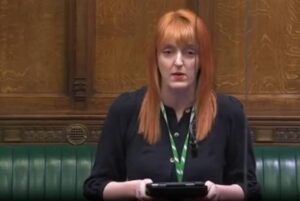
Charlotte Nichols is a British politician representing Warrington North as a Labour MP since the 2019 general election. A member of the Labour Party (UK), she has been known for her activism on workers’ rights, online safety, and violence against women.
Before entering Parliament, Nichols worked with trade unions and advocacy organizations. Her political focus has often centered on protecting vulnerable communities and improving public policy around justice and equality.
However, her recent statements in Parliament have moved her into the center of a national political storm.
The Threat Claims That Sparked the Debate
The controversy escalated when Nichols publicly shared details about her personal experience of violence and the threats she faced while serving as a public figure.
During a debate in the House of Commons, Nichols revealed that she had been raped after attending a work-related event connected to her role as an MP. She also said she waited 1,088 days—nearly three years—for the case to reach court, describing the process as emotionally devastating.
While the accused was acquitted in criminal court, Nichols later secured recognition through a civil process that acknowledged her as a victim and resulted in compensation.
By revealing her story publicly, Nichols waived her right to anonymity as a survivor. She said she chose to speak out because the experiences of victims were being used politically in debates over judicial reform.
Her speech quickly became one of the most talked-about moments in the parliamentary session.
Parliament Safety Debate Intensifies
Nichols’ revelations did not just highlight personal trauma. They also reignited a broader debate about safety for elected representatives in the UK.
Members of Parliament increasingly face:
Online abuse
Physical threats
Security concerns
Harassment from extremist groups
Experts note that threats toward politicians have risen dramatically in recent years, particularly through social media platforms. Research shows that MPs frequently receive hostile messages targeting their political views, gender, or identity.
For Nichols and her supporters, the issue goes beyond personal safety. They argue that threats against MPs undermine democratic participation and discourage diverse voices from entering politics.
The Justice System Controversy
Another major element of the debate involves the UK criminal justice system.
Nichols criticized the lengthy delay before her case reached court, arguing that survivors of sexual violence often face unbearable waiting periods. She said every day of the wait was “agony,” especially while dealing with public scrutiny as a politician.
Her comments came during parliamentary discussions about reforms to jury trials and court procedures.
Nichols warned that certain proposed changes could worsen delays rather than improve the system. Instead, she advocated for the creation of specialist rape courts designed to handle cases more efficiently and sensitively.
Supporters of reform argue that the backlog in the UK court system has reached crisis levels, leaving victims waiting years for justice.
Political Reactions Across the UK
Nichols’ speech triggered strong reactions from politicians across party lines.
Some MPs praised her courage in speaking publicly about a deeply personal experience. Allies said her decision to waive anonymity demonstrated leadership and helped shine a light on systemic failures.
Others accused political leaders of using victims’ stories to support policy arguments.
The debate also involved David Lammy, the UK justice secretary, whose proposals regarding court reforms were central to the parliamentary discussion.
Nichols argued that survivors’ experiences should not be used as rhetorical tools in political arguments and called for more practical reforms.
Women in Politics and Security Concerns
The debate surrounding Nichols also reflects a larger issue: the safety of women in politics.
Women MPs across the UK have increasingly spoken out about:
Online harassment
Threats of violence
Misogynistic abuse
Security risks at public events
Several high-profile incidents involving attacks on politicians in the UK have heightened concerns about the safety of public officials.
Many analysts argue that stronger security measures, better digital regulation, and tougher penalties for threats against politicians are needed.
The Role of Social Media in Political Threats
Social media platforms have become a major battleground for political hostility.
Politicians frequently use platforms like X (formerly Twitter) and Facebook to communicate with constituents. However, this visibility also exposes them to harassment and threats.
Studies analyzing thousands of social media posts directed at MPs show a significant level of hostility and targeted abuse.
For female politicians, the problem can be particularly severe.
Many receive gender-based harassment, threats of violence, and coordinated online attacks designed to silence them.
Nichols has previously spoken about the toll that online abuse can take on public figures.
Parliamentary Security Measures
Following years of rising threats, security around UK MPs has been strengthened.
Measures include:
Increased police protection
Security funding for MPs’ offices
Risk assessments for constituency events
Monitoring of online threats
However, critics say these steps are not enough.
Some MPs believe the system focuses too much on reactive security instead of preventing threats before they escalate.
Nichols’ story has renewed calls for a more comprehensive strategy to protect politicians.
Public Reaction and Media Coverage
Nichols’ speech generated widespread media coverage across the UK.
Public reaction has been mixed but intense.
Many people expressed solidarity with Nichols, praising her courage for speaking out about sexual violence and systemic failures.
Others criticized the political environment that allows such issues to become partisan debates.
The conversation has also spread across social media, where users are debating the balance between political accountability and personal safety.
Wider Implications for UK Politics
The political storm surrounding Nichols raises several important questions about the future of UK politics.
Key issues include:
1. Justice System Reform
Long delays in court cases remain a major problem in the UK legal system.
2. Safety of Public Officials
Threats against politicians could discourage people from entering public life.
3. Political Polarization
Debates over justice and safety risk becoming politically weaponized.
4. Representation in Politics
Women and minority politicians may face disproportionate levels of abuse.
These challenges highlight the complex relationship between democracy, accountability, and security.
The Future of the Debate
The controversy surrounding Nichols is unlikely to disappear quickly.
Calls for reform are already growing in several areas:
Faster court processes
Better protection for MPs
Stronger laws against online threats
Improved support for survivors of sexual violence
Political analysts say the debate could influence upcoming legislative proposals and shape the conversation around safety in British politics.
For Nichols, the goal appears clear: ensuring that her experience leads to meaningful change.
Conclusion
The storm surrounding Charlotte Nichols’ threat claims has exposed several deep challenges within British politics.
Her decision to speak publicly about her experience has triggered debates about justice delays, the safety of MPs, and the impact of threats in modern politics.
While reactions remain divided, the discussion has forced policymakers and the public to confront uncomfortable questions about how democratic institutions protect both representatives and citizens.
As the debate continues, Nichols’ story may become a catalyst for broader reforms aimed at improving justice, security, and accountability in the United Kingdom.
FAQs
Who is Charlotte Nichols?
Charlotte Nichols is a Labour MP representing Warrington North in the UK Parliament since 2019.
What are Charlotte Nichols’ threat claims?
Nichols spoke in Parliament about her experience of sexual violence and the threats and abuse she faced, highlighting delays in the justice system and concerns about safety for politicians.
Why did Charlotte Nichols waive her anonymity?
She chose to waive anonymity to highlight systemic problems in the justice system and ensure survivors’ experiences were not used politically without their voices.
What debate did her speech trigger?
Her remarks sparked a debate about parliamentary safety, justice system delays, and how threats against politicians are handled in the UK.
What reforms has Charlotte Nichols suggested?
Nichols has advocated for specialist rape courts, better support for victims, and improvements in the justice system to reduce delays.
How useful was this post?
Click on a star to rate it!
Average rating 0 / 5. Vote count: 0
No votes so far! Be the first to rate this post.
About the Author

usa5911.com
Administrator
Hi, I’m Gurdeep Singh, a professional content writer from India with over 3 years of experience in the field. I specialize in covering U.S. politics, delivering timely and engaging content tailored specifically for an American audience. Along with my dedicated team, we track and report on all the latest political trends, news, and in-depth analysis shaping the United States today. Our goal is to provide clear, factual, and compelling content that keeps readers informed and engaged with the ever-changing political landscape.