Charles Victor Thompson : Texas execution, first US death row case of 2026
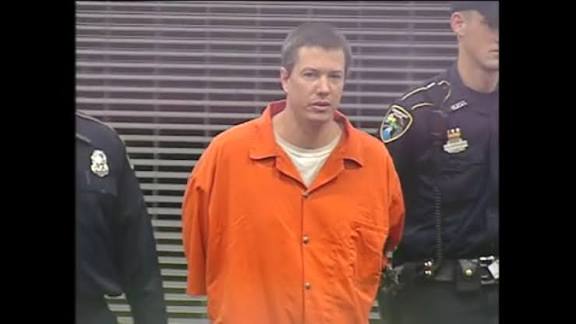
Charles Victor Thompson, 55, was convicted of double murder in 1998. Tags Charles Victor. Today we will discuss about Charles Victor Thompson : Texas execution, first US death row case of 2026
Charles Victor Thompson : Texas execution, first US death row case of 2026
On January 28, 2026, Charles Victor Thompson was executed by lethal injection in Huntsville, Texas, becoming the first death row inmate put to death in the United States in 2026. His execution marked a significant moment in America’s ongoing debate over capital punishment and drew national and international attention due to the long and dramatic legal history surrounding his case.
Convicted of a brutal double murder in 1998, Thompson spent nearly three decades on death row. His story involved jealousy, violence, a rare escape from custody, multiple appeals, and final words that stirred strong emotions among victims’ families and the public. As the first execution of the year, his case set the tone for renewed discussion about the future of the death penalty in the U.S.
The Crime That Shook Texas

Charles Victor Thompson was convicted for the fatal shooting of his former girlfriend, Glenda Dennise Hayslip, and her new partner, Darren Keith Cain, in Houston, Texas, in April 1998. The relationship between Thompson and Hayslip had ended, and prosecutors said Thompson was unable to accept the separation.
According to court records, Thompson went to Hayslip’s apartment in the early morning hours, where an argument escalated into violence. After briefly leaving the scene, he returned and opened fire, killing Cain instantly and fatally wounding Hayslip, who later died in hospital. The double homicide stunned the community and was described by prosecutors as a crime driven by jealousy and obsession.
The brutality of the attack and the fact that two people were killed in a single incident made the case eligible for capital punishment under Texas law.
Trial, Conviction, and Death Sentence
In 1999, Thompson was convicted of capital murder and sentenced to death. The jury found that he posed a continuing threat to society, a key requirement for imposing the death penalty in Texas.
However, his legal journey did not end there. Years later, his original sentence was overturned due to procedural issues, leading to a retrial and re-sentencing in 2005. Once again, a jury sentenced him to death, confirming the state’s position that the crime warranted the ultimate punishment.
This second conviction solidified Thompson’s place on Texas’ death row, where he would remain for more than 20 years.
The Shocking Jail Escape
One of the most unusual chapters in Thompson’s case occurred in 2005, shortly after his re-sentencing. In a rare security failure, he managed to escape from the Harris County Jail in Houston.
Thompson slipped out of his handcuffs during a legal visit, removed his jail clothing, and walked out of the facility unnoticed. For three days, he remained on the run, sparking a massive manhunt across Texas and neighboring states.
He was eventually captured in Louisiana. Authorities said he was attempting to gather money and possibly flee the country. The escape embarrassed law enforcement and added a dramatic dimension to an already high-profile case. After his recapture, security procedures at the jail were heavily reviewed.
Decades on Death Row
Thompson spent more than 25 years on death row, filing numerous appeals in state and federal courts. His lawyers raised multiple legal arguments, including challenges to the medical evidence and claims of constitutional violations.
One of the key issues raised in later appeals was whether Hayslip’s death was caused solely by the gunshot wound or by subsequent medical complications. Courts ultimately rejected these claims, ruling that Thompson’s actions were directly responsible for both deaths.
Despite repeated attempts, none of the appeals succeeded in overturning his conviction or sentence.
Final Appeals and Clemency Pleas
In the weeks leading up to his execution, Thompson’s attorneys made last-minute appeals to higher courts and sought clemency from Texas authorities. They argued that the long delay, the circumstances of the case, and his behavior in prison justified a sentence of life imprisonment instead of execution.
The Texas Board of Pardons and Paroles denied clemency. The U.S. Supreme Court also declined to intervene, clearing the way for the execution to proceed as scheduled.
The Execution
On the evening of January 28, 2026, Charles Victor Thompson was executed by lethal injection at the Huntsville Unit of the Texas Department of Criminal Justice. He was 55 years old.
Witnesses reported that he appeared calm in his final moments. As the lethal drugs were administered, he delivered a final statement in which he expressed remorse and asked the families of the victims for forgiveness.
He acknowledged the pain he had caused and said that violence only creates more suffering. His words, which included religious references, were broadcast to witnesses through the prison’s audio system. He was pronounced dead shortly afterward, becoming the first person executed in the United States in 2026.
Reaction from Victims’ Families
For the families of Glenda Hayslip and Darren Cain, the execution brought a mix of emotions. Some expressed a sense of closure after nearly three decades of waiting for justice. Others said that no punishment could truly erase the loss they had suffered.
Darren Cain’s relatives spoke of enduring years of legal delays and emotional strain. Hayslip’s family described the long process as exhausting but said they believed the sentence had finally been carried out.
The case highlighted the long-lasting impact of violent crime, not only on the victims but also on their loved ones, who must relive the tragedy through repeated court hearings and media coverage.
Public Debate and the Death Penalty
Thompson’s execution reignited the national debate over capital punishment. Supporters of the death penalty argued that justice had been served and that the punishment fit the crime. They pointed to the brutality of the murders and the lengthy legal process as evidence that due process had been fully respected.
Opponents, however, questioned the morality of state-sanctioned execution and raised concerns about the risk of wrongful convictions, the cost of death row litigation, and the emotional toll on all involved.
As the first execution of 2026, Thompson’s case symbolized the continuing divide in American society over whether the death penalty should remain a part of the justice system.
Texas and Capital Punishment
Texas has historically carried out more executions than any other state in the U.S. Its legal framework allows for capital punishment in cases involving multiple victims, murder of law enforcement officers, or killings committed during other serious crimes.
Thompson’s execution reinforced Texas’ reputation as the most active death penalty state and set the pace for executions in the new year.
Legacy of the Case
The story of Charles Victor Thompson is one of violence, legal complexity, and lasting consequences. From the jealousy-fueled murders in 1998 to his dramatic escape and final apology in 2026, the case spanned nearly three decades and touched countless lives.
His execution stands as a reminder of how long capital cases can take to reach their conclusion and how deeply they affect victims’ families, legal professionals, and society as a whole.
As debates over criminal justice reform and the future of the death penalty continue, the case of Charles Victor Thompson will remain a reference point in discussions about punishment, forgiveness, and the limits of the law.
How useful was this post?
Click on a star to rate it!
Average rating 0 / 5. Vote count: 0
No votes so far! Be the first to rate this post.
About the Author

usa5911.com
Administrator
Hi, I’m Gurdeep Singh, a professional content writer from India with over 3 years of experience in the field. I specialize in covering U.S. politics, delivering timely and engaging content tailored specifically for an American audience. Along with my dedicated team, we track and report on all the latest political trends, news, and in-depth analysis shaping the United States today. Our goal is to provide clear, factual, and compelling content that keeps readers informed and engaged with the ever-changing political landscape.