Charles Bronson parole twist: 50-year jail saga, freedom fight reignites
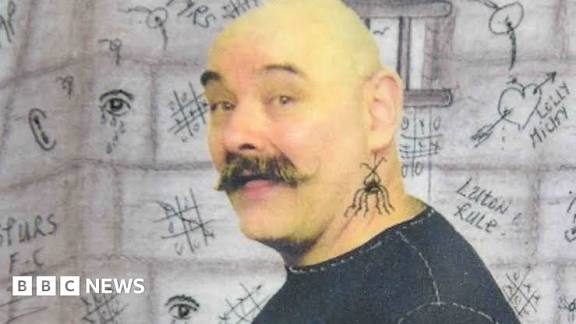
For more than half a century, Charles Bronson — now legally known as Charles Salvador — has been at the centre of one of the most infamous penal sagas in British history. Bronson’s case is not merely a story about crime and punishment; it is a saga that has ignited legal reforms, social debate, artistic reinvention, and a bitterly contested fight for freedom.
Today, as the world watches, a new twist in Bronson’s long battle for parole could finally alter the course of his 50-year imprisonment. This article delves deep into Bronson’s extraordinary life behind bars, the controversial parole reviews, the reasons behind repeated denials, and the seemingly growing clamour for his eventual release.
🧱 The Origins of Britain’s Most Notorious Prisoner
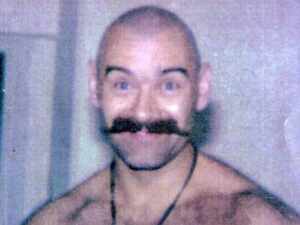
Born Michael Gordon Peterson in 1952, the man who would later become known as Charles Bronson entered the UK prison system in the early 1970s after being convicted of armed robbery.
Bronson’s initial sentence was just seven years, but behaviour both within and outside prison walls ensured that he would spend the next five decades behind bars, making him one of Britain’s longest-serving inmates.
His transformation from a relatively petty criminal into a figure synonymous with violent institutional rebellion began almost immediately:
He took hostages on numerous occasions.
He attacked guards and fellow inmates.
He staged rooftop protests and insurrections within the prison system itself.
These acts of defiance birthed his notoriety — and made him a symbol of the darker intersections of incarceration and human behaviour.
📈 Time Behind Bars: From Violence to Institutionalisation
Over decades, Bronson was moved among a succession of high-security prisons, spending much of his time in solitary confinement.
Prison records and Parole Board assessments repeatedly flagged his violent behaviour as a barrier to release, even after his minimum terms had long expired.
While the UK justice system periodically reviews long-serving prisoners for parole, Bronson’s case proved uniquely complex due to:
The frequency and severity of violent incidents.
His frequent reoffending during short spells of freedom.
An institutionalised identity forged within the British prison network.
For many years, even those advocating parole acknowledged that Bronson embodied a paradox: a man who had served beyond his minimum sentence, yet remained seen as too dangerous to free.
🎨 The “Reformed” Charles Salvador: An Artist Emerges
Barely discussed in early coverage of his crimes was Bronson’s development as an artist. After years inside, he embraced drawing and painting — ultimately selling works and embracing this creative identity as part of his argument for rehabilitation.
In 2014, he legally changed his surname to Salvador, reportedly as an homage to the surrealist painter Salvador Dalí — a reflection of his evolving self-image.
Bronson’s artistic pursuits became more than a hobby. They became a critical component of his public persona:
A symbol of personal transformation.
A potential source of lawful income upon release.
A tool for advocating that he had moved beyond his violent past.
His supporters argue that this reinvention is evidence of genuine rehabilitation — evidence that should count heavily in parole considerations.
⚖️ The Parole Board: A Catch-22 of Reviews and Rejections
Over the decades, Bronson has fought a series of parole hearings — some public, some private — and many that ended in frustration and denial.
💼 Public vs Private Hearings
For most of his parole attempts, hearings were conducted in private session. However, changes in UK law in 2022 opened the way for public parole hearings — a reform Bronson tried to leverage in his favour.
In 2023, Bronson took part in one of the first public parole hearings, making an emotional plea and presenting his artworks and transformation as evidence of change.
Despite this historic opportunity, the panel ultimately denied his release, noting ongoing concerns about his history and potential risk.
Later applications for public hearings were blocked, but Bronson’s pursuit of transparency in the process has become a significant subplot of his parole saga.
📄 The Latest Twist: Paper-Based Review
In February 2026, news emerged that a new parole review was underway — this time, conducted on paper rather than in a public hearing format.
In a twist that has captured widespread attention, Bronson even sacked his own legal team shortly before the review and expressed frustration over a rejected request for a public hearing.
Regardless of whether this review results in release, deferral, or another denial, it marks the ninth parole bid of his life — and a pivotal moment that could finally decide whether more than 50 years behind bars have made him safe to release.
📊 Public Debate and Support for Release
Beyond legal proceedings, Bronson’s case has ignited debate among commentators, the public, and even celebrity advocates.
Major British sporting figures — including boxer Tyson Fury and football legends like John Terry and Dennis Wise — have backed calls for his parole, arguing that enough time has passed and that Bronson deserves the chance to rebuild his life.
Supporters’ arguments often focus on:
His age — he is in his 70s and may pose less risk now than decades ago.
His artistic rehabilitation.
Humanitarian grounds — including the wishes of older family members eager to see him free.
Critics, however, note that his history of violence and self-sabotage — including violent incidents even in more recent parole processes — could suggest unresolved issues that make release unsafe.
🧠 Rehabilitation vs Institutionalisation
A key question in Bronson’s parole battle is whether his decades behind bars have truly rehabilitated him — or whether they have institutionalised him into a mindset and behaviour pattern incompatible with modern society.
Psychological assessments have been mixed, with some experts suggesting he has improved self-control and emotional management, while others emphasise persistent traits that could lead to risk if released.
Additionally, long-term incarceration often creates challenges unrelated to criminality — including difficulty adjusting to societal norms after decades of confinement.
🤔 What Happens Next?
As Bronson’s 2026 parole review unfolds, several outcomes are possible:
Release with conditions — potentially under strict licence and monitoring.
Transfer to an open prison prior to full release.
Further deferral or denial, maintaining his confinement.
Regardless of the immediate decision, this latest review continues what has become a defining narrative in British criminal justice: how to balance punishment, public safety, and the possibility of redemption.
❓ Frequently Asked Questions (FAQs)
1. Who is Charles Bronson and why has he been in prison for over 50 years?
Charles Bronson — born Michael Gordon Peterson — is one of the UK’s most notorious prisoners, first jailed in 1974 for armed robbery and subsequently incarcerated for a long series of violent offences, including assaults and hostage-taking.
2. Why has Bronson’s parole been repeatedly denied?
Parole panels have consistently cited his history of violence, rule-breaking, and perceived risk to the public as core reasons for rejecting earlier parole applications.
3. What is different about the 2026 parole review?
For the first time in many years, Bronson’s case is being reviewed on paper rather than in a public hearing — after legal disputes over whether the Parole Board would grant an open session.
4. Can Bronson be released despite his violent past?
Yes. If the Parole Board determines that risk can be managed through licence conditions, psychological support, and monitoring, he could be freed — especially given his age and advocacy from supporters.
5. Why do some people support his release?
Supporters argue that Bronson has changed, expressed remorse, developed artistic and peaceful pursuits, and spent far more time in prison than his original sentence warranted.
How useful was this post?
Click on a star to rate it!
Average rating 0 / 5. Vote count: 0
No votes so far! Be the first to rate this post.
About the Author

usa5911.com
Administrator
Hi, I’m Gurdeep Singh, a professional content writer from India with over 3 years of experience in the field. I specialize in covering U.S. politics, delivering timely and engaging content tailored specifically for an American audience. Along with my dedicated team, we track and report on all the latest political trends, news, and in-depth analysis shaping the United States today. Our goal is to provide clear, factual, and compelling content that keeps readers informed and engaged with the ever-changing political landscape.